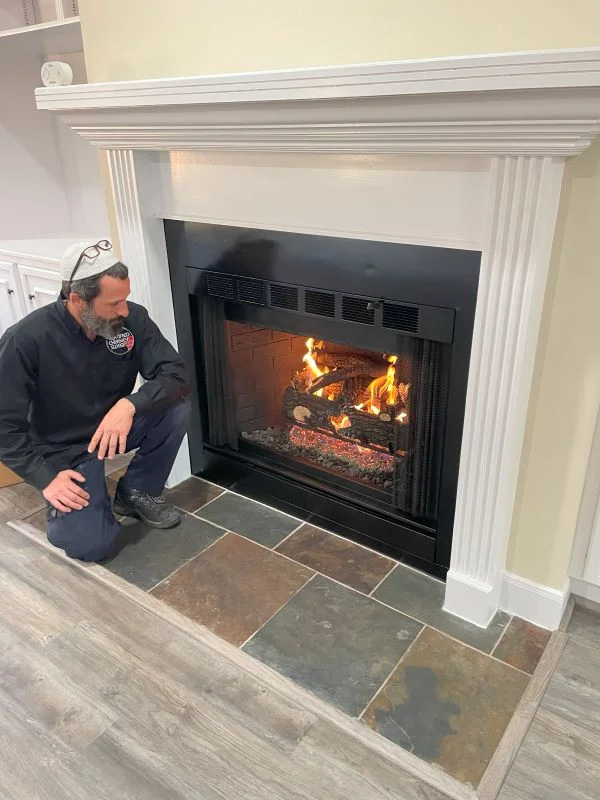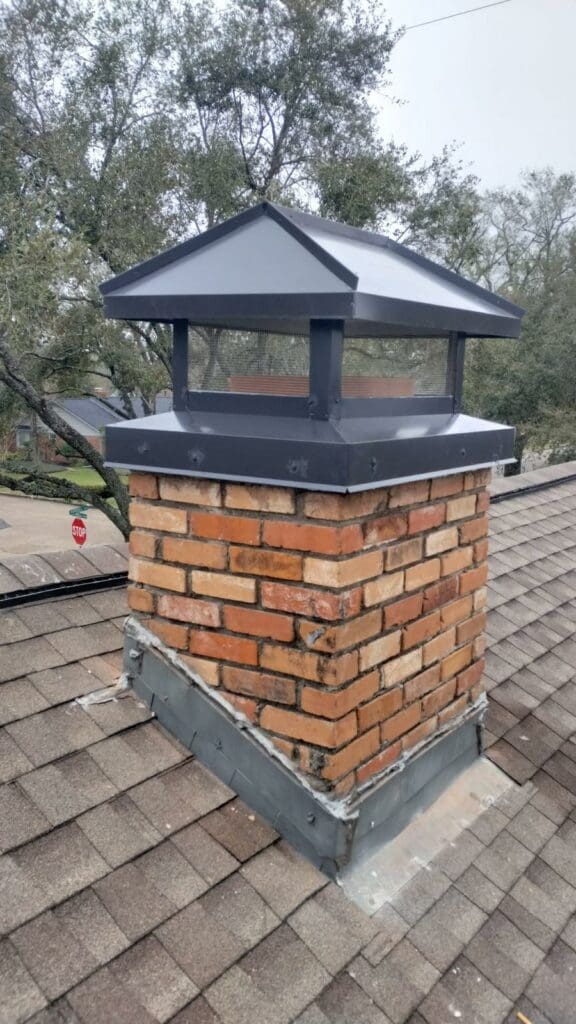
A well-maintained chimney is essential for keeping your home safe and comfortable. However, over time, chimneys can develop various issues that may lead to inefficient performance or even hazardous conditions. Understanding these common problems and how to address them can help homeowners avoid costly chimney repair and ensure their chimney operates smoothly year-round.
Identifying and Addressing Cracks in the Chimney Structure
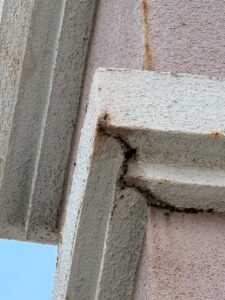
One of the most frequent problems homeowners encounter with their chimneys is cracking. Weather conditions, temperature fluctuations, and general wear and tear can cause the masonry or flue lining to deteriorate. Small cracks might seem harmless at first, but they can expand over time, allowing water to seep in and cause significant damage.
To prevent further issues, it’s important to address cracks as soon as they appear. Minor cracks in the masonry can often be sealed with specialized sealants, while more extensive damage may require professional chimney masonry repair. Ensuring your chimney is waterproofed can also help prevent future cracking. If neglected, these cracks can lead to structural weaknesses, potentially causing bricks or mortar to loosen and creating unsafe conditions for your home. In severe cases, Chimney Replacement may be necessary to restore safety and functionality. The use of a quality chimney sealant and tuckpointing brick repair for chimneys can effectively extend the lifespan of your chimney.
The Dangers of a Blocked Chimney and How to Fix It
A blocked chimney is a serious issue that can lead to inefficient airflow, increased risk of fire, and carbon monoxide buildup inside your home. Common culprits include bird nests, debris, creosote buildup, or even fallen bricks.
Homeowners can minimize blockage risks by installing a chimney cap, which prevents animals and debris from entering. Regular chimney inspection and cleaning are also crucial to ensure the chimney remains free from obstructions. If the blockage is severe, commercial chimney cleaning services may be necessary to remove stubborn buildup. Chimney sweeps use specialized tools to clear creosote deposits, which not only improves ventilation but also reduces fire hazards. A proper cleaning schedule is essential, particularly for homeowners who frequently use their wood fireplaces during colder months.
Dealing with a Deteriorating Chimney Crown
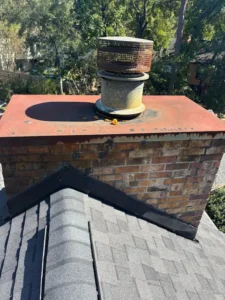
The chimney crown is the topmost part of the chimney that prevents water from entering the flue. Over time, exposure to harsh weather conditions can cause it to deteriorate, leading to leaks and further structural damage.
Applying a waterproof sealant can extend the life of the chimney crown, but if the damage is extensive, a full replacement may be required. Regular inspections can help catch early signs of deterioration, allowing homeowners to address the issue before it worsens. A properly installed chimney crown is slightly sloped, directing water away from the chimney structure. If a chimney crown is severely cracked or crumbling, the best course of action is replacing it with a durable concrete cap, which offers long-lasting protection against moisture damage.
Resolving Chimney Leaks for a Dry and Safe Home
Leaks in a chimney can result in significant structural damage if left unaddressed. Common causes include cracks in the chimney structure, deteriorating mortar joints, or an improperly installed flashing.
Fixing a chimney leak often involves identifying the source of the water intrusion and applying the appropriate repairs. This may include seal leaky chimney cracks, replacing damaged mortar, or installing new chimney flashing replacement. Proper maintenance and level 2 chimney inspection can help homeowners detect leaks before they become a major problem. Flashing is one of the most critical components in preventing chimney leaks. If the flashing around the base of the chimney is loose or rusted, water can easily seep in and cause rotting in adjacent walls or ceilings. Ensuring proper installation of high-quality metal flashing can significantly reduce the likelihood of roof leak repair around chimney.
Creosote Buildup and the Risk of Chimney Fires
Creosote is a highly flammable substance that accumulates inside the chimney when burning wood. Over time, excessive buildup increases the risk of chimney fires, making regular cleaning a necessity.
The best way to prevent creosote buildup is by burning only dry, seasoned wood and ensuring proper ventilation. Scheduling annual chimney cleanings can significantly reduce the risk of dangerous fires and improve overall efficiency. Chimney fires can cause extensive damage and may go unnoticed until structural deterioration becomes evident. Homeowners should also install a chimney thermometer to monitor flue temperatures, ensuring they remain within a safe range. If creosote buildup is excessive, a professional chimney sweep should be called to perform a deep cleaning using industry-grade rotary brushes and vacuums.
Addressing Chimney Draft Issues for Optimal Performance
A poorly functioning chimney draft can lead to smoke entering the home, difficulty in lighting fires, and inefficient heating. Draft problems can be caused by various factors, including blockages, improper flue size, or negative air pressure in the house.
To improve chimney draft, homeowners should check for obstructions, ensure the damper is fully open, and consider installing a chimney relining if needed. In some cases, adjusting the height of the chimney or adding a draft-inducing cap can help improve airflow. A backdraft can also occur when the house is too airtight, causing the chimney to struggle in drawing air upwards. Cracking open a nearby window slightly can sometimes resolve minor draft issues. For long-term solutions, installing a chimney fan or extending the flue may enhance overall performance.
Chimney Relining: When Is It Necessary?
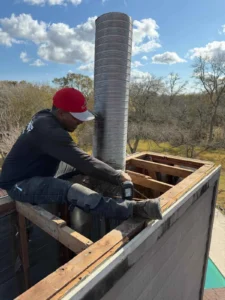
The chimney liner is a crucial component that protects the home from heat damage and prevents toxic gases from seeping into living spaces. Over time, the liner can degrade due to excessive heat, moisture, or creosote exposure.
Signs that indicate a chimney liner replacement may be needed include visible cracks, crumbling liner material, or an increase in smoke entering the home. Stainless steel liners are a popular choice for modern chimneys, offering excellent durability and resistance to extreme temperatures. Relining the chimney not only improves safety but also enhances efficiency by promoting better airflow.
The Importance of Regular Chimney Inspections
Annual chimney inspections are essential for identifying early signs of damage and ensuring proper functionality. A professional inspection can reveal hidden structural issues, potential blockages, and early-stage creosote buildup.
During an inspection, a chimney specialist will assess the condition of the chimney cap, flashing, crown, and liner, making recommendations for any necessary repairs. Investing in regular inspections can prevent costly repairs down the line and extend the lifespan of the chimney system. Homeowners should schedule inspections before the start of the winter season to ensure their chimneys are in peak condition before heavy usage.
Keeping Your Chimney in Top Condition
Regular maintenance and timely repairs are essential for keeping your chimney in optimal working condition. Whether it’s addressing cracks, preventing leaks, or removing dangerous buildup, taking proactive steps can help homeowners avoid costly repairs and safety hazards. For those seeking professional assistance, Chimney repair Houston TX specialists provide expert solutions to ensure chimneys remain safe and efficient. Stay updated with our blog for more tips on chimney maintenance and repairs.