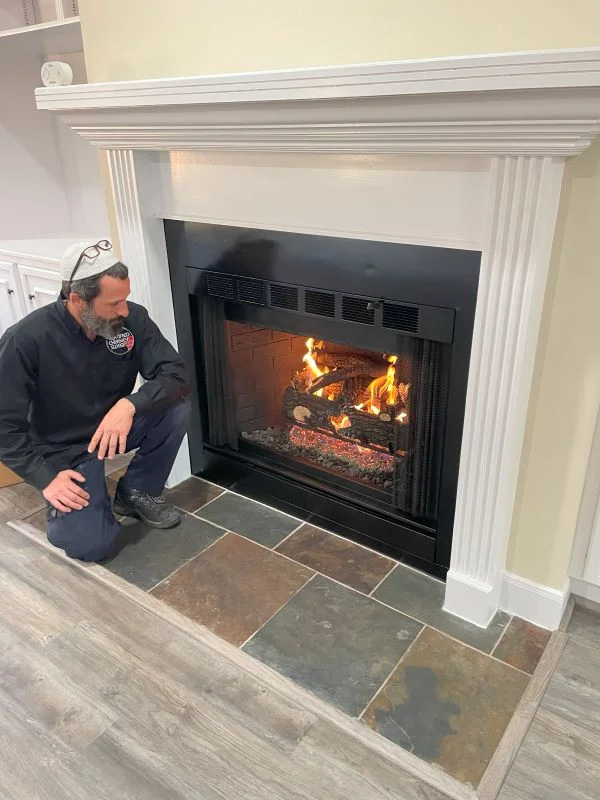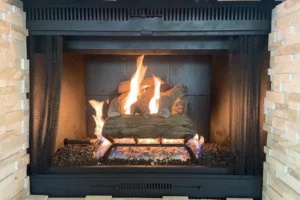
There is nothing quite like the warm, crackling glow of a fireplace on a cool evening. It is the cozy heart of the home, a place for family to gather and relax. But behind that comforting ambiance lies a critical responsibility: chimney safety.
A chimney is more than just a brick-and-mortar tunnel. It is a high-performance exhaust system for your fireplace, designed to safely contain a fire and vent toxic gases. When it is not properly maintained, it can become one of the most significant hazards in your home, posing a serious risk of fire and carbon monoxide poisoning.
According to the National Fire Protection Association (NFPA), failure to clean chimneys is a leading cause of home heating fires. The good news is that these dangers are almost entirely preventable. It all comes down to understanding the risks and following essential safety practices, especially when it comes to cleaning.
Here are the most important chimney cleaning safety tips to protect your home and family.
1. The Number One Safety Tip: Hire a Certified Professional
In the age of DIY tutorials, it is tempting to think you can clean your own chimney. But this is one job that is best left to trained, certified, and insured professionals. The risks of doing it yourself are significant and fall into three categories.
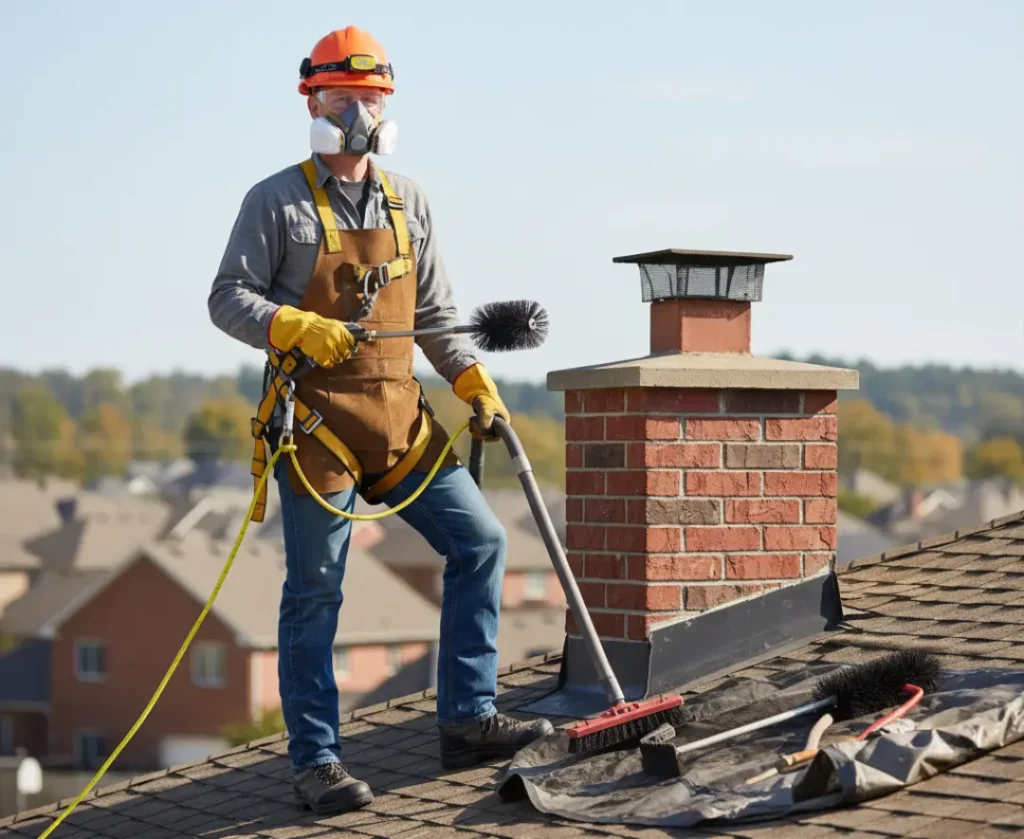
Physical Danger: First, there is the obvious risk of climbing onto your roof. A fall from that height can be catastrophic, especially on a sloped or unsteady surface. Professionals from a company like Texas Chimney LLC have the proper safety equipment, harnesses, and training to navigate rooftops safely.
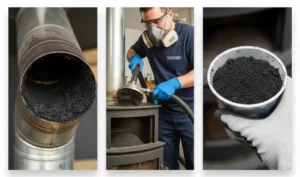
Specialized Equipment: A simple wire brush from a hardware store is no match for the hard, glazed creosote that can build up inside a chimney. Professionals use a system of specialized rotary brushes, high-powered vacuums with HEPA filters (to keep soot out of your home), and video inspection cameras. This equipment is necessary to do the job completely and cleanly.
Spotting Hidden Dangers: This is the most critical part. A DIY cleaning will not reveal a cracked flue liner, damaged mortar joints, or a deteriorating chimney crown. A professional chimney sweep & cleaning service is also an inspection. A trained technician can identify these hidden hazards which could leak dangerous gases into your home or start a fire inside your walls.
2. Understand the “Why”: The Primary Hazards You’re Preventing
To appreciate chimney safety, you need to know exactly what you are fighting against. A “dirty chimney” poses two distinct, life-threatening risks.
Creosote and Chimney Fires:
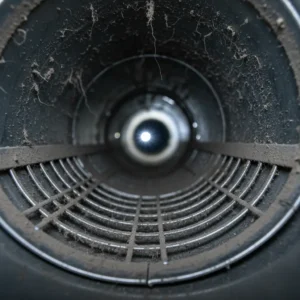
Every time you burn wood, it releases unburned particles, tar, and soot that travel up your chimney. As they cool, they stick to the chimney liner, forming a black or brown substance called creosote.
This substance builds up in stages, from a flaky soot to a thick, tarry, or even a hard, glazed coating. This substance is highly flammable. A spark or hot ember floating up the chimney can ignite this creosote, starting a violent and dangerous chimney fire that can burn at over 2,000 degrees Fahrenheit. A professional cleaning is the only way to safely remove this fuel source.
Blockages and Carbon Monoxide (CO):
Your chimney is a dark, warm, and sheltered space, making it a prime location for birds and other animals to build nests. Added to this are natural debris like leaves, twigs, and even ice in the winter. Any blockage can have two dangerous effects:
- It can trap hot embers, igniting the nest or debris and starting a fire.
- It can prevent smoke and toxic gases from escaping. This forces deadly, odorless carbon monoxide (CO) back into your home. A professional cleaning ensures this flue is completely clear.
3. Schedule Annual Inspections (No Matter What)
The NFPA states that chimneys, fireplaces, and vents should be inspected at least once a year. This is the golden rule of chimney safety, even if you do not use your fireplace often.
An annual chimney inspection is a proactive measure that catches problems early. A technician will perform a visual check of the entire system, from the firebox to the very top of the chimney. They will look for:
- Creosote buildup and blockages.
- Cracks, gaps, or damage in the flue liner.
- Deteriorating brickwork or mortar joints.
- Proper function of the damper.
- The condition of the chimney crown and cap.
An inspection determines if a cleaning is necessary. You may not need a cleaning every single year, but you absolutely need an inspection.
4. Practice Safe Fire-Building Habits
How you use your fireplace has a direct impact on your chimney’s safety and how often it needs cleaning.
Only Burn Seasoned Hardwoods: “Seasoned” wood has been split and dried for at least 6 to 12 months. It is dry and burns hotter and cleaner. “Green” or wet wood smolders, producing less heat and a lot more smoke, which in turn creates creosote buildup much faster.
Never Burn Trash or Treated Wood: Never burn wrapping paper (especially on holidays), cardboard boxes, treated lumber, or particleboard. These items contain chemicals, plastics, and glues that can release toxic fumes and contribute to dangerous, “sticky” creosote buildup.
Build Smaller, Hotter Fires: A small, hot fire is more efficient and produces less smoke than a large, smoldering one.
Use a Spark Screen: Always use a sturdy metal screen in front of your fireplace to prevent sparks and rolling logs from escaping onto your carpet or floor.
5. Install and Maintain Critical Safety Equipment
There are two pieces of equipment every home with a fireplace must have.
- A Chimney Cap: This is the most important accessory for your chimney. A professional chimney cap installation & repair service is a small investment with huge benefits. A cap covers the top opening of your flue and:
- Keeps Animals Out: Stops birds, raccoons, and squirrels from nesting.
- Blocks Debris: Prevents leaves and twigs from falling in and creating a blockage.
- Stops Water: Keeps rain and snow out, protecting your liner, damper, and masonry from water leak repair issues like rust, rot, and deterioration.
- Arrests Sparks: The built-in mesh can help stop sparks from landing on your roof.
- Smoke & Carbon Monoxide Detectors: This is non-negotiable. Every home, especially one with a fireplace, needs working detectors. Install them on every level of your home and outside sleeping areas. Test them monthly and replace the batteries annually.
6. Know the Warning Signs of a Chimney Problem
Your chimney will often tell you when something is wrong. Be vigilant and call a professional for a chimney repair if you notice any of these signs:
- A strong, foul odor (like burnt asphalt or a “smoky” smell) coming from the fireplace, especially when it is not in use.
- Visible soot and creosote dripping or falling into the firebox.
- Damaged or spalling bricks and deteriorating mortar joints on the outside chimney.
- Stains on the ceiling or walls near the chimney, indicating a water leak.
- Smoke pouring back into your room instead of going up the flue.
- Difficulty starting or maintaining a fire.
Your fireplace is a wonderful asset to your home, but it comes with a responsibility. By treating your chimney with respect, practicing safe burning habits, and relying on professional expertise, you can ensure it remains a safe and cozy centerpiece for years to come.
Your family’s safety is too important to leave to chance. A clean chimney is a safe chimney. If you have not had your annual inspection, or if you have noticed any of the warning signs, do not wait. The certified professionals at Texas Chimney LLC are here to provide thorough, reliable cleaning and inspection services to give you peace of mind. Contact us today to schedule your appointment and ensure your fireplace is safe and ready for the season.