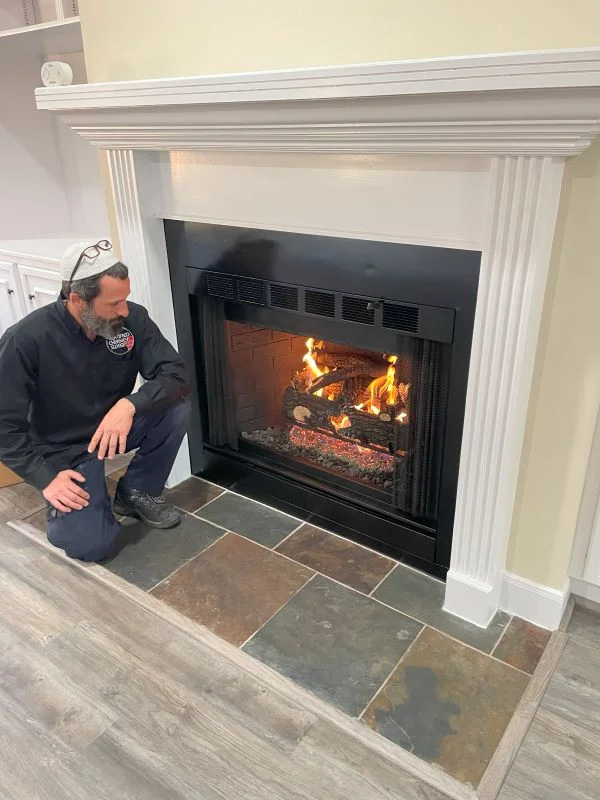
For many Houston homeowners, the fireplace is a beloved feature that brings warmth and ambiance during our cooler winter evenings. It serves as a focal point for holiday gatherings and quiet nights at home. However, the chimney system that allows this comfort is a complex structure that endures significant stress throughout the year. Between the intense summer heat, high humidity, and occasional heavy tropical storms, your chimney faces a unique set of challenges in the Texas climate.
Most homeowners assume that if the fireplace looks fine from the living room, everything is functioning correctly. Unfortunately, many of the most dangerous and costly chimney problems are hidden from plain view. This is where a professional assessment becomes invaluable. At Texas Chimney LLC, our certified technicians perform hundreds of inspections annually across the Greater Houston area. Through these detailed examinations, we frequently uncover a recurring set of issues that, if left unaddressed, can compromise the safety of your home. Understanding what we look for can help you appreciate the importance of regular maintenance.
1. Creosote Accumulation
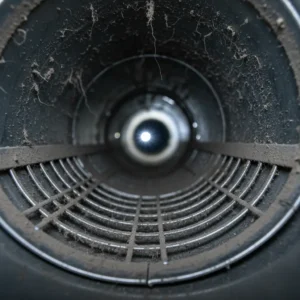
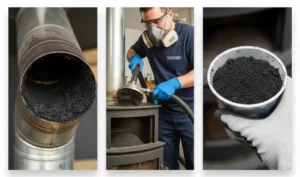
The most common issue we encounter is the buildup of creosote. This is a natural byproduct of burning wood. When smoke travels up the cooler chimney flue, condensation occurs, depositing a tar-like substance on the inner walls. In the early stages, creosote is flaky and easy to brush away. However, if the chimney is not cleaned regularly, this substance can harden into a glazed, sticky layer that is highly flammable.
In Houston, where fireplaces might be used sporadically rather than continuously, homeowners often underestimate the rate of buildup. Even occasional use can create dangerous levels of creosote over a few years. During a chimney inspection, we assess the thickness and type of creosote present. If we discover stage three glazed creosote, it signifies a severe fire hazard that requires immediate and specialized chemical cleaning to remove.
2. Water Penetration and Leaks
Water is the enemy of any masonry structure, and Houston’s climate provides plenty of it. We frequently find evidence of water entry that homeowners have not yet noticed. This often manifests as rusted dampers, water stains on the firebox walls, or a musty odor coming from the fireplace during humid days.
The source of these leaks is often traced back to the chimney flashing. Flashing is the metal seal that bridges the gap between the chimney and the roof. When installed correctly, it directs water away from the chimney. However, high winds and age can cause the flashing to lift or separate, allowing water to seep into the attic or down the chimney chase. Our team often recommends chimney repair services to reseal or replace damaged flashing, ensuring your home stays dry during the next heavy downpour.
3. Animal Intrusion and Nesting
Your chimney looks like a perfect hollow tree to local wildlife. In the Houston area, we commonly find birds, squirrels, raccoons, and even bats taking up residence inside flues. This is particularly common in chimneys that lack a proper chimney cap or have a damaged mesh screen.
The presence of animals is more than just a nuisance. Nests built from twigs, leaves, and other debris create a significant blockage in the flue. If you were to light a fire without knowing a nest was there, smoke and carbon monoxide would rapidly back up into your home, or worse, the nest could ignite a chimney fire. During our inspections, we check for these blockages and often recommend the installation of a durable chimney cap to keep critters out permanently.
4. Cracked or Deteriorated Chimney Crowns
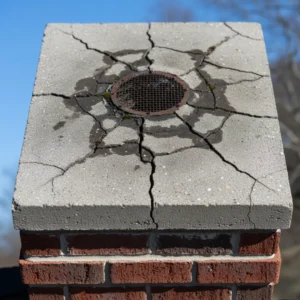
The chimney crown is the concrete or mortar slab that sits at the very top of your chimney stack. Its job is to cover the chimney opening and shed water away from the bricks below. Because it is horizontal and constantly exposed to the sun and rain, the crown is prone to cracking.
We frequently discover hairline cracks in the crown during our rooftop evaluations. While a small crack might seem insignificant, water enters these crevices and gets trapped. In the rare event of a freeze in Houston, that water expands and widens the crack. Over time, this leads to structural failure where chunks of the crown can break off. Repairing the crown early with a waterproof sealant or resurfacing material is a key part of our preventative maintenance recommendations.
5. Damaged Flue Liners
The flue liner is the inner shell of the chimney, typically made of clay tiles, metal, or cast-in-place concrete. It serves a critical safety function by containing the combustion products and protecting the combustible parts of your home from heat transfer.
Clay tile liners are very common in older Houston homes, but they are brittle. We often find cracks or gaps in the mortar joints between these tiles. These defects can be caused by the settling of the house foundation or previous chimney fires that went unnoticed. A cracked liner is a serious safety violation because it allows heat to escape to the nearby wood framing of the house. In severe cases of liner failure, we may discuss options for chimney replacement or relining to restore the structural integrity and safety of the venting system.
6. Masonry Spalling and Mortar Decay
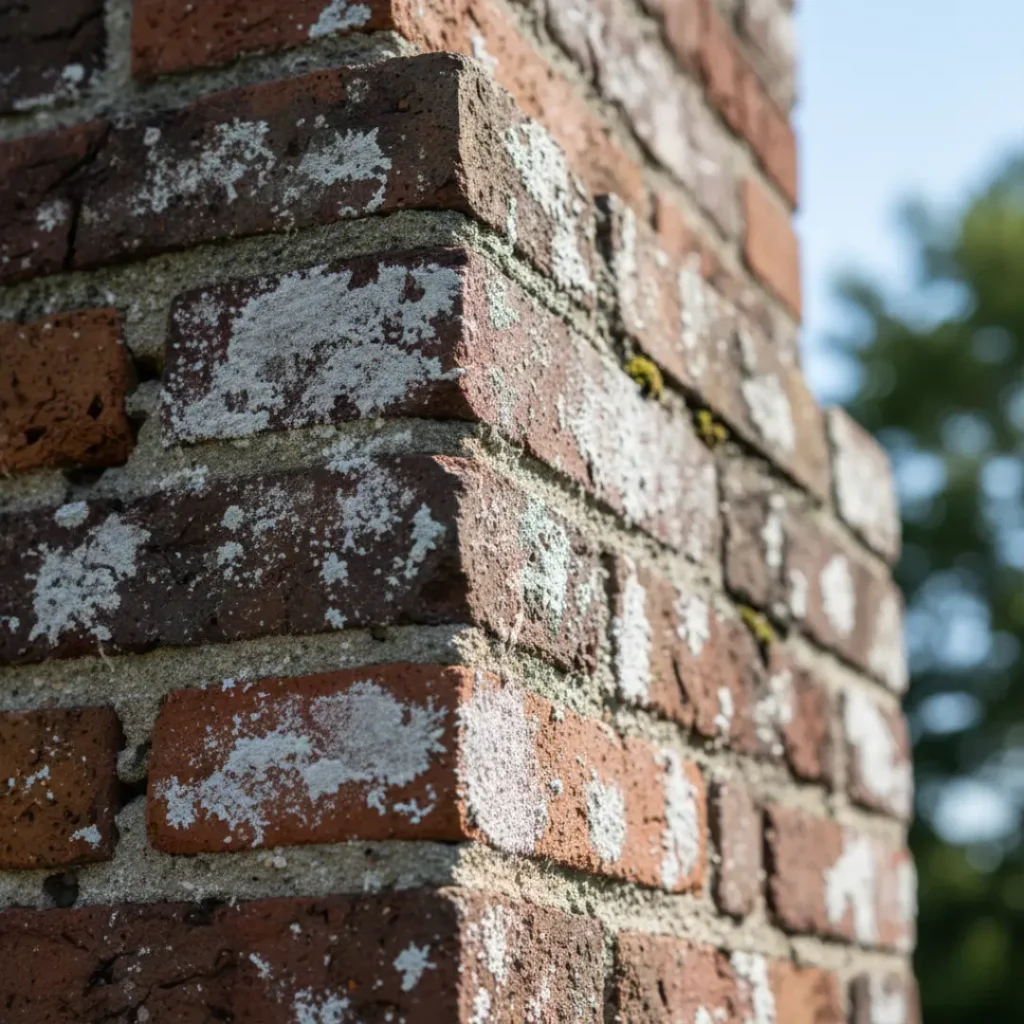
Brick and mortar are porous materials. In our humid climate, they absorb moisture. When this moisture cycles through heating and cooling, it can cause the face of the bricks to pop off or crumble, a process known as spalling. We also look for soft or missing mortar joints, which compromise the stability of the chimney stack.
Spalling is often a sign that the waterproofing on the chimney has failed. When we spot this issue, it is usually an indicator that the chimney needs to be treated with a breathable water repellent after the necessary masonry repairs are made. Ignoring crumbling masonry can eventually lead to a leaning chimney or a structural collapse.
7. Rusted or Stuck Dampers
The damper is the valve that closes off the flue when the fireplace is not in use. It helps retain heat in your home and prevents drafts. Because dampers are metal and located near the top of the firebox or at the top of the chimney, they are highly susceptible to rust caused by humidity and rain mixing with creosote.
A stuck damper is a frequent finding. If it is stuck open, you are losing expensive air conditioning up the flue all summer long. If it is stuck closed, you cannot safely use your fireplace. We check the operation of the damper mechanism during every visit to ensure it opens and closes smoothly, providing a tight seal when necessary.
The Importance of Annual Inspections
The issues listed above are rarely visible to the untrained eye until they become advanced problems. By the time you see a water stain on your ceiling or bricks on your patio, the damage is already done. This is why the National Fire Protection Association (NFPA) recommends an annual inspection for all chimneys, regardless of fuel type.
At Texas Chimney LLC, we use advanced video scanning technology for our Level 2 inspections. This allows us to see every inch of the flue liner and detect cracks that would otherwise be missed. Our goal is to catch these common issues early, saving you money on major repairs and ensuring your family is safe from fire hazards and carbon monoxide exposure.
Summary
Owning a home in Houston requires vigilance against the elements, and your chimney is no exception. From the hidden dangers of creosote and cracked liners to the external threats of water and wildlife, your chimney system demands professional care. Regular inspections are the most effective way to identify these common issues before they escalate into emergencies.
By staying proactive and partnering with trusted professionals, you can ensure that your fireplace remains a source of comfort rather than a cause for concern. Whether it is a simple cleaning or a complex repair, addressing these findings promptly ensures the longevity of your home and the safety of your loved ones.
Schedule Your Inspection Today
Is your chimney ready for the next burning season? Don’t leave the safety of your home to chance. Contact Texas Chimney LLC today to schedule a comprehensive inspection with our certified experts. We will provide you with a detailed report of our findings and a clear path to resolving any issues we discover. Call us at (713) 322-5196 or visit our contact page to book your appointment. Let us give you the peace of mind that comes with a safe and secure fireplace.