A warm fire on a cool night is one of the best parts of owning a fireplace. It creates comfort, warmth, and a special atmosphere that brings families together. But with every fire you burn, something dangerous is left behind inside your chimney: creosote.
For Houston homeowners, creosote buildup is one of the most serious chimney concerns. It’s not just messy—it’s a fire hazard that can damage your home and put your family at risk. Understanding what creosote is, why it builds up, and how to prevent it is key to safe fireplace use.
What is Creosote?
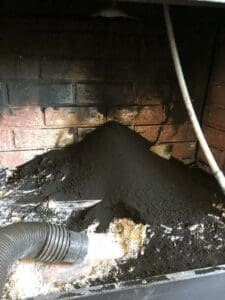
When wood burns, it produces smoke that carries gases, tar, and tiny particles. As the smoke rises through the cooler chimney, it condenses and sticks to the walls of the flue. Over time, this sticky substance hardens into a dark, tar-like material called creosote.
Creosote can form in different stages. At first, it looks like a light layer of soot. If it’s not cleaned, it becomes thicker and harder. In its later stages, creosote turns into a shiny, hardened glaze that is extremely difficult to remove. No matter the stage, creosote is flammable, and too much of it can cause a chimney fire.
Why Creosote is Dangerous
The biggest danger of creosote is its ability to ignite. If the buildup gets thick enough, even a small spark from your fireplace can set it on fire. Chimney fires burn extremely hot and can spread quickly to the rest of your home.
Creosote also narrows the flue, making it harder for smoke and gases to escape. This can cause smoke to back up into your living room or even allow carbon monoxide—a deadly, invisible gas—to enter your home. For Houston homeowners, the risks are especially high because humidity and weather conditions can make creosote smells stronger and the buildup more stubborn.
Why Creosote Buildup Happens Faster in Houston
Creosote buildup can happen in any city, but Houston’s climate makes the problem worse. Humid air slows the drying process when wood burns, which means more smoke particles condense inside the chimney. Frequent storms can also let extra moisture in through damaged caps or flashing, creating the perfect environment for creosote to stick.
Many Houston homeowners also use their fireplaces only a few times a year. When a chimney sits unused for months in hot, humid air, the creosote inside becomes sticky and harder to remove. By the time winter arrives, the buildup is thicker and more dangerous than expected.
Signs of Creosote Buildup
Creosote isn’t always easy to spot, but there are warning signs homeowners should watch for. If you notice strong smoky odors in the summer, it’s often a sign of creosote sitting inside a damp chimney. You may also see dark, flaky residue around the firebox, or hear cracking and popping noises when a fire is burning. Sometimes, you might even see a thick, shiny coating inside the flue.
If smoke has trouble rising out of the chimney or seems to back up into the room, that’s another sign of creosote restricting airflow. The safest way to know for sure is to have a professional inspection, since many problems are hidden deep inside the chimney.
How to Prevent Creosote Buildup
The best way to prevent creosote is simple: burn the right fuel and keep your chimney clean. Always use seasoned, dry wood instead of green or wet wood. Dry wood burns hotter and cleaner, producing less smoke and creosote. Avoid burning paper, trash, or other materials that add to sticky residue inside the chimney.
Airflow also matters. Fires that burn slowly with little oxygen create cooler smoke, which produces more creosote. Make sure your damper is fully open when you burn a fire and that your chimney is not blocked.
Most importantly, schedule annual chimney inspections and cleanings. A certified sweep can remove creosote before it becomes dangerous. In Houston’s climate, an annual cleaning is the best protection against both chimney fires and bad odors caused by creosote.
Why DIY Cleaning Isn’t Enough
Some homeowners try to clean their chimneys with brushes they buy at the store. While this may remove loose soot, it rarely gets rid of hardened creosote. In fact, glazed creosote in later stages can only be removed with professional tools and treatments. Without the right equipment, you may leave dangerous residue behind while thinking the chimney is clean.
Professional sweeps don’t just scrape the surface. They use specialized tools to safely remove even stubborn creosote. They also inspect the entire chimney for cracks, blockages, and leaks, making sure your system is safe from top to bottom.
The Cost of Ignoring Creosote
It’s tempting to ignore chimney care, especially if you only use your fireplace a few times each year. But creosote doesn’t go away on its own. It keeps building up with every fire, and the risks keep growing.
Ignoring creosote can lead to chimney fires, expensive structural repairs, smoke damage inside your home, and even health risks from carbon monoxide. A small investment in inspection and cleaning saves money, stress, and most importantly, keeps your family safe.
Why Houston Homeowners Trust Texas Chimney LLC
Chimney safety in Houston requires local knowledge and professional care. Texas Chimney LLC has been serving Houston families for more than 14 years. Our team is CSIA-certified, which means we are trained to handle creosote buildup safely and effectively.
We understand how Houston’s humidity and storms affect chimneys and provide the right solutions to protect them. From inspections and cleanings to waterproofing and repairs, our services are designed to keep your chimney safe year after year.
Homeowners across Houston trust us because we provide honest advice, dependable service, and lasting results.
Protect Your Home from Creosote Buildup
Creosote may be invisible at first, but it’s one of the biggest dangers inside your chimney. By learning what it is, why it forms, and how to prevent it, you take the first step toward protecting your home. The next step is professional care.
Don’t let creosote sit inside your chimney another season. With regular inspections and cleanings, you can enjoy every fire knowing your home is safe.
Schedule Your Chimney Cleaning with Texas Chimney LLC
Protect your family and your home from the dangers of creosote buildup. Texas Chimney LLC is ready to inspect, clean, and maintain your chimney so it’s safe, efficient, and worry-free. Our certified experts know exactly how to keep Houston chimneys in top condition.
Contact us today or book your cleaning online. Let’s make your fireplace safe for every season.