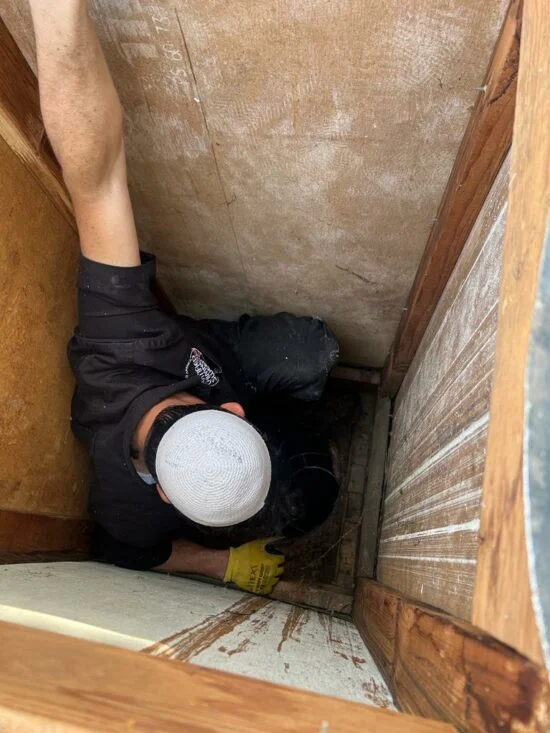
If you own a home in Texas, you know that weather can be unpredictable. One day it’s hot and sunny, the next day it’s windy and chilly. For many families, a fireplace is more than just decoration. It’s a way to stay warm on cooler nights, create a cozy atmosphere, and bring people together. But to keep your fireplace safe and working well, regular chimney inspections are a must.
A question many homeowners ask is: how often should you schedule a certified chimney inspection in Texas? The answer depends on a few factors, but experts agree that yearly inspections are the best way to keep your chimney in good condition and your home safe.
Why Chimney Inspections Matter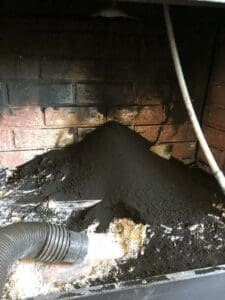
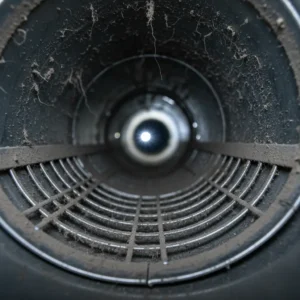
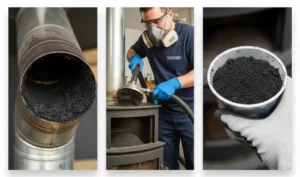
A chimney may look simple from the outside, but inside, it’s a complex system. Over time, soot, ash, and creosote buildup can occur. Creosote is a sticky substance left behind from burning wood fireplaces, and it’s highly flammable. If too much of it collects, it can cause dangerous chimney fires.
Inspections are not only about cleaning. Certified chimney professionals also check for cracks, blockages, leaks, and damage that you might not notice. In Texas, where storms, heavy winds, and even small animals can affect chimneys, inspections are especially important.
National Safety Guidelines
The National Fire Protection Association (NFPA) recommends that chimneys, fireplaces, and vents be inspected at least once a year. This applies no matter how often you use your fireplace. Even if you don’t light a fire often, weather and natural wear can still cause damage.
For Texas homeowners, following this guideline is the safest choice. A certified chimney inspection every year gives peace of mind that your system is safe to use when you need it.
The Texas Climate Factor
Texas weather creates unique challenges for chimneys. The hot sun can cause masonry to crack over time. Heavy rain and humidity can lead to leaky chimneys. Strong winds and storms may loosen chimney flashing or push debris inside.
Because of these conditions, skipping an inspection can lead to costly repairs later. A yearly check helps catch small problems before they turn into major issues.
Types of Chimney Inspections
Not all chimney inspections are the same. Certified chimney sweeps usually perform inspections in three levels:
- Level 1 Inspection: A basic check for blockages, buildup, or obvious damage. This is the standard yearly inspection.
- Level 2 Inspection: A more detailed inspection, often required when buying or selling a home, after a storm, or if changes have been made.
- Level 3 Inspection: The most in-depth inspection, sometimes involving removal of chimney parts to check hidden damage, usually after a fire or serious structural issue.
Most Texas homeowners will only need a Level 1 inspection each year, but your chimney professional may recommend more if they see warning signs.
Signs You Shouldn’t Wait Until Next Year
While annual inspections are the rule of thumb, sometimes problems pop up sooner. Call for a certified chimney inspection if you notice any of these signs:
- Strong smoke smells in your home even when the fireplace isn’t in use.
- White, powdery stains on the outside bricks (called efflorescence).
- Crumbling mortar or loose bricks.
- Water leaks near the chimney.
- Strange noises, which could mean animals have built nests inside.
Catching these issues early can save you money and protect your home.
Safety Comes First
One of the biggest risks of skipping chimney inspections is fire. Creosote buildup can ignite quickly, and chimney fires are often silent at first. Many homeowners don’t realize anything is wrong until it’s too late.
Carbon monoxide is another danger. If your chimney is blocked or damaged, this colorless, odorless gas can leak back into your home. Regular inspections ensure proper ventilation and reduce these risks..
Cost vs. Value
Some homeowners hesitate to book yearly inspections because of the cost. But when you compare it to the price of chimney replacement—or worse, fire damage—the investment is small.
In Texas, the cost of a standard inspection is much less than rebuilding a damaged chimney or fixing smoke damage in your home. Think of it as insurance for your safety and comfort.
Why Choose a Certified Chimney Professional
Not all chimney services are equal. A certified chimney sweep has gone through training and testing to understand structure, safety rules, and proper cleaning methods.
In Texas, choosing a certified professional also means you’re hiring someone familiar with local building codes and the effects of the Texas climate. Always check credentials before booking an inspection.
The Best Time of Year for Inspections
Although you can schedule a chimney inspection any time of the year, the best time is before the colder months begin. In Texas, this usually means late summer or early fall.
Getting it done early ensures your fireplace is ready when the first cool front arrives. It also means you’ll avoid the rush, since many people wait until the last minute when the weather turns cold.
Keeping Your Chimney in Top Shape Year-Round
While inspections are the most important step, there are simple things you can do to care for your chimney between visits:
- Burn only dry, seasoned wood. Wet wood creates more smoke and creosote.
- Keep the area around your outdoor fireplace clean and clear.
- Make sure your chimney cap is in place to block rain and animals.
These small habits make your annual inspection smoother and keep your chimney working better.
Your Chimney Needs a Checkup. Is It Ready for Texas Weather?
In Texas, with our varied climate and occasional severe weather, a neglected chimney can be a serious fire hazard and a source of major headaches. The NFPA recommends that all chimneys, fireplaces, and vents be inspected at least once a year. This isn’t just a suggestion—it’s the best way to catch potential problems like creosote buildup, blockages, or structural damage before they become costly and dangerous issues.
At Texas Chimney LLC, our certified technicians are trained to the highest industry standards. We provide thorough inspections and detailed reports, ensuring your chimney is not only clean but also safe and ready for use. Whether you’re a regular fireplace user or your chimney has been dormant for years, a professional inspection is a critical investment in the safety of your home and family.
Don’t wait until you light the first fire of the season. Schedule your annual chimney inspection with Texas Chimney LLC today to get peace of mind!