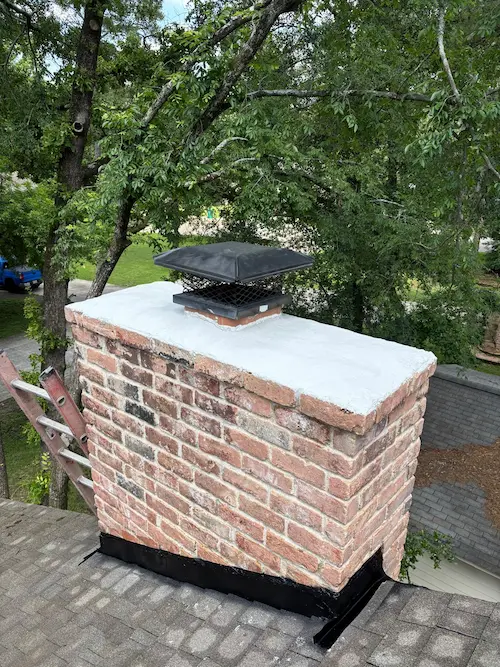
Your chimney is more than just a decorative feature; it’s an essential, hard-working system designed to safely vent smoke and toxic gases from your home. As a major structural component, it represents a significant investment in your property. To get the most out of that investment and prevent expensive premature deterioration, a commitment to proper, year-round care is essential.
At Texas Chimney LLC, we specialize in the longevity of chimney systems across the Greater Houston area. We’ve seen firsthand how a little preventative maintenance can add decades to a chimney’s lifespan, saving homeowners thousands on major Chimney Repair services.
This essential guide reveals the four pillars of long-term chimney care. By following these professional tips, you can ensure your chimney remains safe, efficient, and structurally sound for generations to come.
Pillar 1: Embrace the Annual Inspection
The single most critical factor in extending your chimney’s life is adhering to the annual inspection standard set by the National Fire Protection Association (NFPA). This is the cornerstone of preventative care.
Why Inspection Prevents Early Retirement
Skipping an inspection allows two major threats to run rampant: water damage and creosote corrosion.
Catching Water Early: In Houston’s climate, water is the chimney’s biggest enemy. An annual inspection checks all entry points the crown, the flashing, and the cap for small cracks or gaps. Water intrusion causes the freeze-thaw cycle to break apart masonry, leading to structural instability. Catching and sealing a small crack costs a fraction of a full chimney rebuild.
Assessing Creosote Damage: During the inspection, a professional evaluates the amount of creosote and soot buildup. This residue is highly acidic, and when combined with moisture, it slowly eats away at the flue liner and mortar joints. If left unchecked, this corrosion necessitates a costly replacement of the liner or major masonry work.
An annual Level 1 inspection, included with our Chimney Inspection services, provides a clear, documented health report of your chimney, allowing you to address minor issues before they become catastrophic.
Pillar 2: Master Your Chimney’s Accessories
The lifespan of your chimney often depends on the condition of its protective accessories. These components are relatively inexpensive to maintain or replace, yet they provide essential defense against the elements.
The Chimney Cap: Your First Line of Defense
A durable, properly installed chimney cap is arguably the best investment you can make in your chimney’s longevity.
- Keeps Water Out: The cap is the literal umbrella for your chimney, preventing rainwater from pouring directly into the flue, where it causes rust in metal components, deterioration of the flue liner, and internal water damage.
- Excluding Pests: It prevents animals (birds, raccoons, squirrels) from nesting inside the flue. Nests are serious fire hazards and can cause major blockages that lead to the buildup of moisture and corrosive gases.
- Spark Arrestor: A cap also includes mesh sides that act as a spark arrestor, preventing hot embers from landing on your roof or neighboring properties.
If your Houston home doesn’t have a cap, or if your current one is rusted or damaged, call us immediately. This simple fix provides monumental protection.
The Chimney Crown: The Top Seal
The crown is the slab of masonry or concrete that covers the top of the chimney structure, diverting water away from the flue opening and the masonry.
- Routine Sealing: Crowns often develop hairline cracks over time. If these cracks are caught early, they can be sealed with a specialized crown sealant, which is a simple, cost-effective procedure. Ignoring them allows water to seep into the masonry, causing internal damage and necessitating a much more expensive crown replacement.
Pillar 3: Control Creosote with Proper Burning Habits
Your actions inside the firebox directly affect the condition of the flue and the overall lifespan of the system. Creosote production is a direct threat to the longevity of your chimney.
Burn Smart, Not Green
The best way to slow the buildup of corrosive creosote is to only burn seasoned, dry firewood.
Avoid Green Wood: Wood that has been recently cut (green wood) or not dried for at least six months contains excessive moisture. Burning wet wood produces cooler smoke, which deposits a tar-like, sticky creosote that is extremely corrosive and difficult to remove.
Hot Fires Are Cleaner: Build fires that burn hot and fast, with plenty of air flowing. Low-burning, smoldering fires produce the worst kind of creosote.
The Sweep Schedule: When you burn clean and hot, you can reduce the frequency of professional sweeping. However, once the creosote reaches 1/8 inch of thickness, a sweep is necessary. If you use your fireplace regularly, you should plan on a professional sweeping every year, often bundled with your annual inspection.
By managing your fuel and fires correctly, you slow the internal chemical attack on your chimney’s components.
Pillar 4: Protect the Masonry and Flashing
For masonry chimneys, the long-term integrity of the brick and mortar is crucial. If the masonry fails, the chimney fails.
Waterproofing and Sealing
The bricks and mortar joints of your chimney are porous, meaning they absorb water, especially during Houston’s long, humid seasons.
Avoid Paint: Never use standard paint or surface sealers on your masonry, as this traps moisture inside the brick, accelerating internal deterioration.
Professional Water Repellent: Instead, apply a vapor-permeable chimney water repellent. This product allows the masonry to breathe (letting trapped water escape) while repelling external rain. This service significantly slows the erosion of the mortar joints and the decay of the brick face.
Flashing Maintenance
The flashing is the metal barrier where the chimney meets the roof. It is a prime location for water leaks.
Check Annually: Ensure the flashing is tightly sealed and free of rust or holes. Our inspectors always check this area. If flashing fails, water pours directly into the attic or down the walls, causing extensive water damage that compromises the entire chimney structure.
The Texas Chimney LLC Commitment to Longevity
Extending the life of your chimney is a long-term strategy, not a one-time fix. By prioritizing the annual inspection, installing a chimney cap, burning responsibly, and maintaining the exterior masonry, you are actively investing in the safety and value of your home.
If your chimney is showing signs of wear, or if you simply want to start a strong preventative maintenance plan, trust the local experts at Texas Chimney LLC. We provide the expertise needed to keep your chimney system running safely for its intended lifespan.
While you’re at it, consider addressing other critical safety systems in your home. We also offer expert Dryer Vent Cleaning to ensure another major fire hazard is eliminated.
Don’t wait until a small repair becomes a major reconstruction. Contact us today to schedule your annual inspection and start your longevity plan.