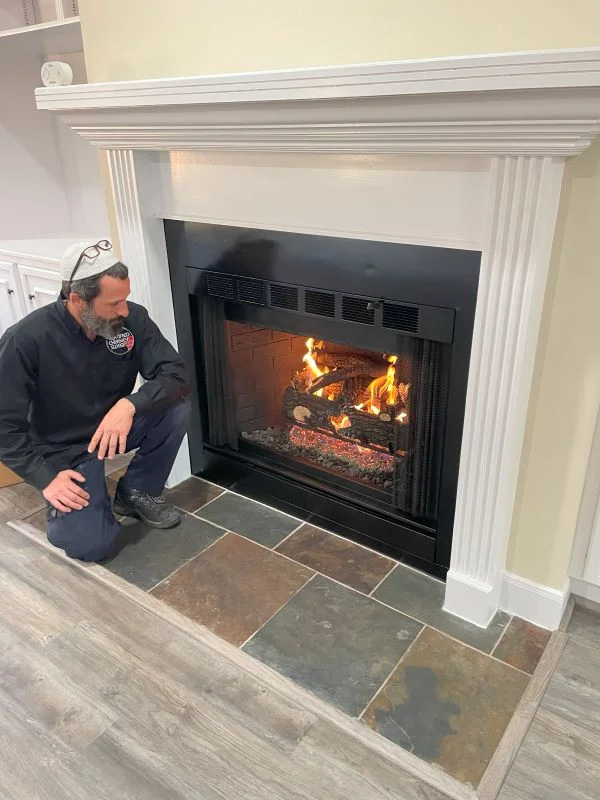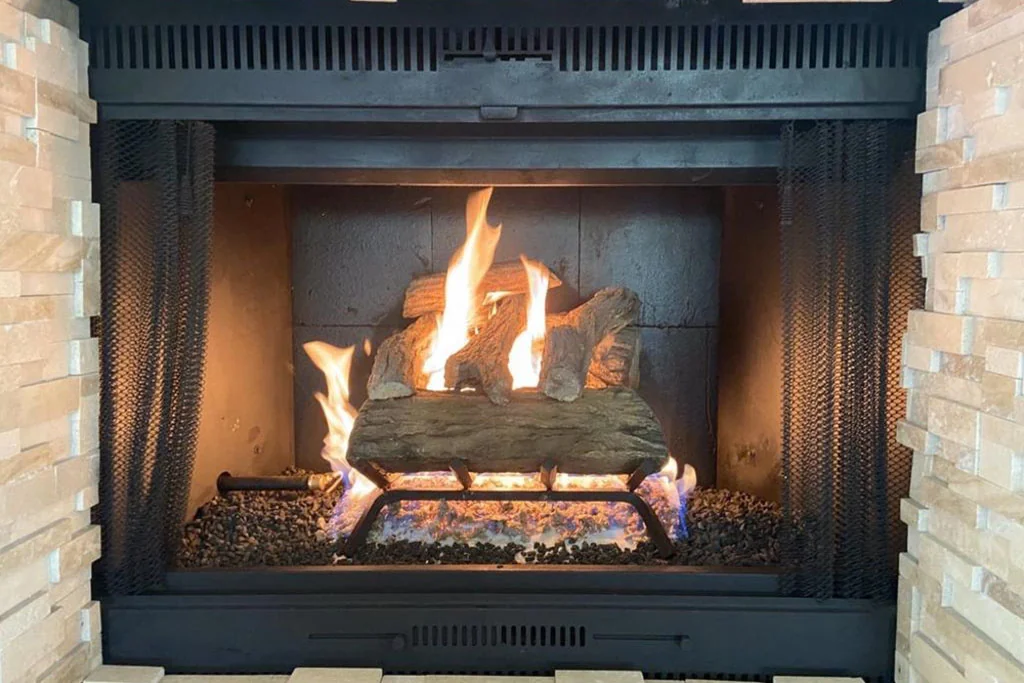
Gas fireplaces are a hallmark of convenience for Houston homeowners. With the flip of a switch or the press of a button, you can instantly enjoy the warmth and ambiance of a fire without the labor of hauling logs or the mess of ash. Because gas burns significantly cleaner than wood, there is a common misconception that gas fireplaces are “maintenance-free.” However, while you won’t deal with thick layers of creosote, gas units have their own set of technical requirements and hidden risks.
At Texas Chimney LLC, we emphasize that a gas fireplace is a complex appliance that interfaces with your home’s structural venting. To ensure your system remains a safe and efficient asset, regular professional cleaning and inspections are essential.
The Myth of the “Clean” Gas Burn
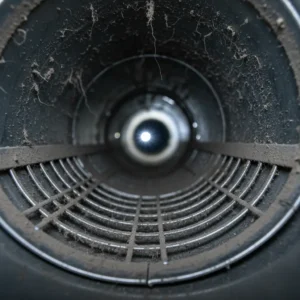
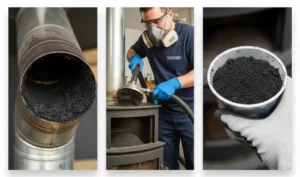
It is true that natural gas and propane do not produce the heavy soot and tar-like creosote found in wood-burning systems. However, combustion, no matter the fuel, is never 100% perfect. Gas fireplaces produce byproducts such as water vapor, carbon dioxide, and trace amounts of carbon soot. Over time, these can accumulate into a fine residue that coats the interior of your flue and the delicate components of your firebox.
One of the most frequent issues we encounter in the Houston area is sulfur and mineral buildup. As the moisture from combustion meets the air, it can create a corrosive environment inside your chimney liner. If neglected, this moisture can cause “spalling” in masonry chimneys or white, powdery corrosion in metal venting systems. According to the U.S. Department of Energy, even small amounts of residue can interfere with the heat transfer efficiency of your unit, leading to higher utility bills and diminished warmth.
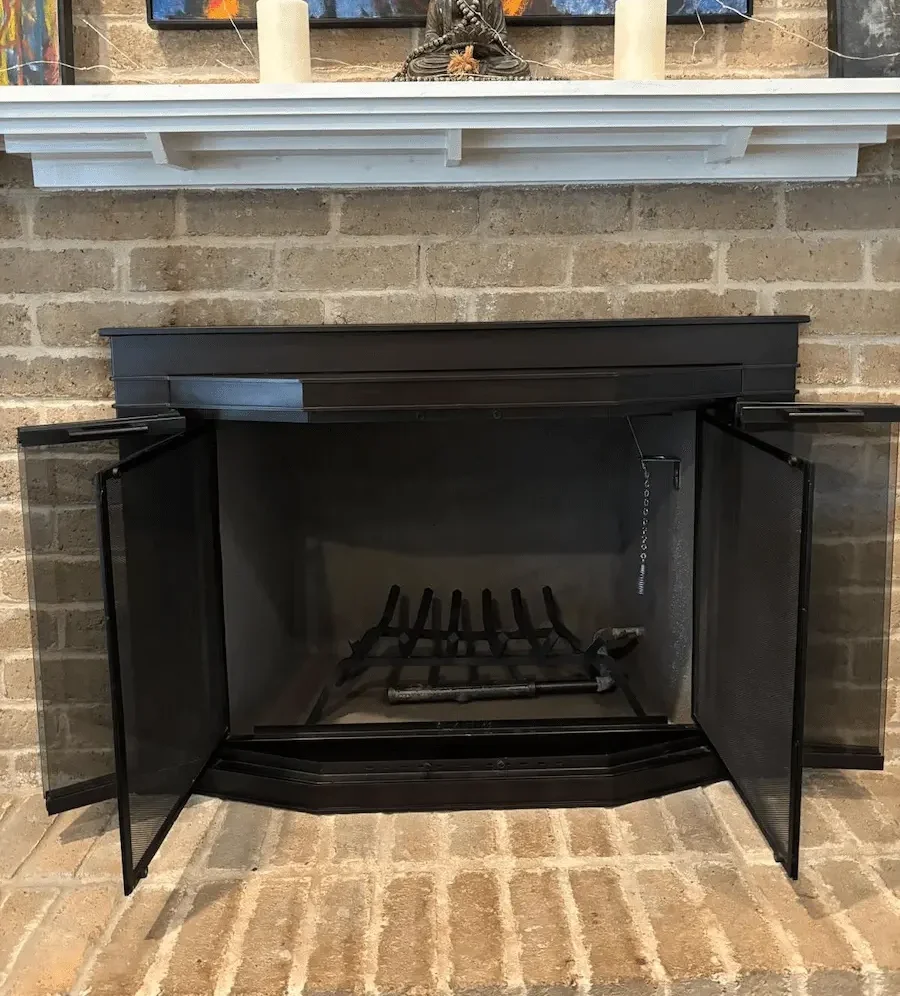
Obstructions: The Silent Threat to Ventilation
Because gas fireplaces are used less frequently than primary heating systems, the chimney often becomes an attractive nesting site for local wildlife. Birds, squirrels, and even large insects can build nests that completely block the flue. Since gas exhaust is often invisible and odorless, you may not realize your chimney is obstructed until dangerous gases begin to back-draft into your home.
External debris such as leaves, twigs, and even deteriorating pieces of the chimney crown can also fall into the venting system. A blocked vent prevents the proper escape of carbon monoxide (CO), an odorless, colorless gas that can be fatal. The Centers for Disease Control and Prevention (CDC) recommends that all fuel-burning heating systems be inspected by a professional annually to prevent CO poisoning. At Texas Chimney LLC, our cleaning process includes a full obstruction check to ensure your “exhaust path” is entirely clear.
Maintaining Internal Components for Reliability
A professional gas fireplace cleaning involves much more than just a quick sweep of the flue. The internal mechanics, the pilot light, thermocouple, thermopile, and burner ports, require precise attention. Dust, pet hair, and spider webs are notorious for clogging burner ports and pilot assemblies. This often leads to “delayed ignition,” where gas builds up for a few seconds before igniting with a startling “pop.”
Furthermore, the decorative ceramic logs in your fireplace can deteriorate over time. As they break down, small shards can fall into the burner, disrupting the flame pattern and causing “ghosting” or soot streaks on your glass. During a service visit, we carefully vacuum the control compartment, clean the pilot sensor, and ensure the logs are positioned exactly according to the manufacturer’s specifications to ensure clean combustion. For those interested in the technical standards of gas hearth appliances, the National Fire Protection Association (NFPA) provides the safety codes that govern these inspections.
The Importance of Glass and Gasket Care
If you notice a cloudy, white film on your fireplace glass, you are seeing a buildup of minerals and combustion byproducts. If this film is left for too long, the heat of the fire can “etch” the glass permanently, requiring an expensive replacement. A professional cleaning uses specialized, non-ammonia cleaners to restore clarity without damaging the tempered or ceramic glass.
Beyond aesthetics, we also inspect the gaskets and seals. In direct-vent gas fireplaces, the glass must form an airtight seal to maintain the correct pressure for balanced combustion. A worn-out gasket can allow room air to leak into the firebox or exhaust to leak out, significantly reducing efficiency and safety. Homeowners can find more information on the long-term benefits of maintaining air-tight seals through the Environmental Protection Agency’s (EPA) Burn Wise program.
Preventing Corrosion in the Houston Humidity
Houston’s high humidity levels present a unique challenge for gas chimneys. When your fireplace is dormant during the long summer months, the moisture in the air can react with the trace acids left behind from winter use. This leads to accelerated rusting of metal fireboxes and dampers.
By scheduling an annual cleaning and inspection, you ensure that these corrosive elements are removed and that your chimney cap is properly sealed to keep rainwater out. This preventative maintenance can add a decade or more to the lifespan of your fireplace system. Educational resources from Texas A&M University’s engineering extensions often highlight how moisture control is the single most important factor in extending the life of home mechanical systems.
Professional Technical Mastery vs. DIY
While a homeowner can easily wipe down the exterior of a fireplace, the internal gas valves and venting systems require technical mastery. An untrained hand can easily bump a thermocouple out of alignment or create a small gas leak while trying to clean the burners.
When you hire Texas Chimney LLC, you are getting a team with 14 years of specialized experience in the Houston area. We use high-powered vacuums, specialized brushes, and leak-detection equipment to ensure every component of your gas fireplace is functioning exactly as it should. We provide the documentation and peace of mind you need to know your home is protected against the risks of fire and gas leaks.
Schedule Your Gas Fireplace Tune-Up with Texas Chimney LLC
Don’t let the simplicity of a gas fireplace lead to a false sense of security. To maintain peak performance, prevent carbon monoxide risks, and protect your home’s value, professional annual maintenance is a must. At Texas Chimney LLC, we pride ourselves on our meticulous cleaning process, our commitment to safety, and our deep roots in the Houston community. Whether you have a traditional vented gas log set or a modern direct-vent insert, our experts are ready to provide the thorough care your home deserves. Contact us today or call us at (713) 322-5196 to schedule your professional gas fireplace cleaning and ensure your hearth is ready for the first cool evening of the year.