Wood-burning stoves are a favorite among Houston homeowners who value self-sufficiency, high-efficiency heating, and the unmatched ambiance of a real fire. Unlike traditional open fireplaces, wood stoves are precision-engineered heating machines designed to extract the maximum amount of energy from every log. However, this high performance comes with a specific set of maintenance requirements. To keep your stove operating safely and effectively, regular professional chimney cleaning is not just a recommendation, it is a necessity for protecting your property and your family.
At Texas Chimney LLC, we understand the unique venting requirements of wood-burning stoves. From the flue pipe to the chimney cap, every component must be free of obstruction to ensure proper drafting and fire safety.
The Science of Creosote in Wood-Burning Stoves

The most significant threat to any wood-burning system is the accumulation of creosote. When wood burns, it releases smoke containing unburned wood particles, gases, and moisture. As these byproducts rise through the relatively cooler chimney or flue pipe, they condense into a dark, tar-like substance known as creosote. Wood stoves, while efficient, often operate at lower internal temperatures during “long burns,” which can accelerate the cooling of smoke and lead to faster creosote buildup compared to open fires.
Creosote is highly flammable and is the primary fuel for chimney fires. According to the Federal Emergency Management Agency (FEMA), thousands of residential fires occur annually due to failure to clean solid-fuel heating equipment. Professional cleaning removes these deposits before they reach a “Stage 3” glazed state, which is incredibly difficult to remove and poses the highest risk of ignition.
Why Wood Stoves Require Specialized Cleaning Techniques
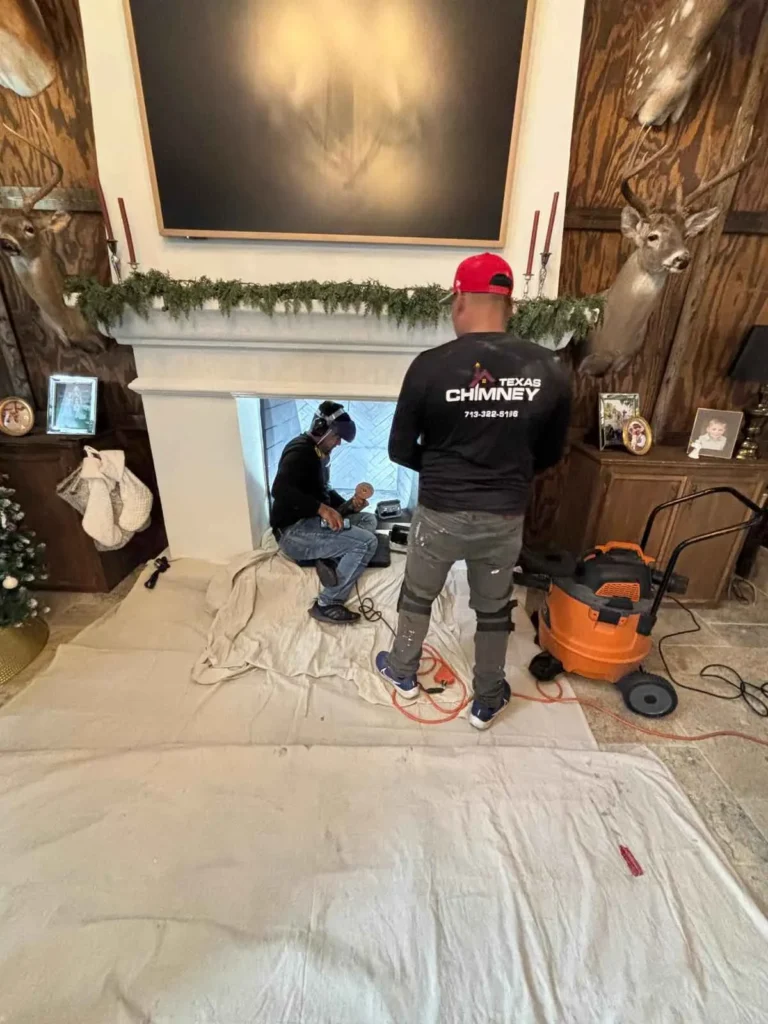
Cleaning a wood-burning stove is significantly more complex than sweeping a standard masonry fireplace. Most stoves are connected to a stainless steel liner or a double-wall chimney pipe that requires specific tools to avoid damage. Using the wrong type of brush can scratch the interior of a metal flue, creating microscopic grooves where creosote can take hold even faster.
A professional technician will typically perform a “top-down” or “bottom-up” sweep using poly brushes designed specifically for metal venting systems. Furthermore, many wood stoves contain internal components such as baffle plates, catalytic combustors, and firebricks that must be carefully removed and cleaned. If these parts are blocked by ash or soot, the stove’s efficiency will plummet, and you may notice smoke “back-puffing” into your living room. The Environmental Protection Agency (EPA) emphasizes that maintaining these internal components is vital for reducing particulate emissions and maximizing fuel economy.
Recognizing the Warning Signs of a Dirty Flue
While annual inspections are the industry standard, certain red flags indicate that your wood-burning stove needs immediate attention. If you notice a strong, campfire-like odor coming from the stove when it isn’t in use, this is often a sign of heavy soot and creosote buildup reacting with Houston’s high humidity.
Other warning signs include:
- Difficulty starting or maintaining a fire: This often points to a restricted air supply or a blocked flue.
- Excessive smoke in the house: If smoke spills out when you open the stove door to add wood, your chimney is likely not “drawing” correctly.
- Visible soot or “flakes” falling: If you see black, honeycomb-like material falling into the firebox, your creosote levels have reached a dangerous thickness.
- Discolored exterior venting: Dark staining at the top of your chimney cap or on the exterior pipe indicates poor combustion and potential blockage.
The Impact of Wood Quality on Your Chimney’s Health
Your maintenance schedule is directly influenced by the type of wood you burn. To keep your chimney cleaner for longer, it is essential to use seasoned firewood, wood that has been dried for at least six to twelve months and has a moisture content below 20%. Burning “green” or unseasoned wood uses most of the fire’s energy to boil off the water within the logs, resulting in a cooler fire and a massive increase in creosote production.
Homeowners can refer to resources from Texas A&M Forest Service to learn about the best local wood species for heating. For example, hardwoods like oak or pecan, which are common in Texas, burn longer and hotter than softwoods, provided they are properly dried. Avoiding the use of trash, treated lumber, or cardboard in your wood stove is also critical, as these materials release corrosive chemicals that can degrade your chimney liner and the stove’s internal seals.
Enhancing Air Quality and System Longevity
A clean chimney doesn’t just prevent fires; it also ensures that your home’s indoor air quality remains high. When a wood stove vents properly, it creates a vacuum that pulls combustion gases out of the home. When the system is dirty, these gases, including carbon monoxide, can linger in the living space. Regular cleaning and the installation of a carbon monoxide detector are the two most important steps any stove owner can take.
Furthermore, the acidic nature of soot and creosote can be “hygroscopic,” meaning it attracts moisture from the air. In the humid Texas climate, this moisture-laden soot becomes highly corrosive to both metal liners and masonry mortar joints. By scheduling a cleaning at the end of the heating season, you prevent these corrosive elements from sitting in your system all summer long, effectively extending the lifespan of your investment.
Professional Inspections: Beyond the Sweep
A comprehensive service from Texas Chimney LLC involves more than just a brush. We perform a detailed safety inspection that aligns with the standards set by the Chimney Safety Institute of America (CSIA). We examine the integrity of the door gaskets to ensure an airtight seal, check the firebricks for cracks that could expose the outer shell to excessive heat, and inspect the chimney cap to ensure it is free of bird nests or debris.
Our technicians use specialized camera equipment to look inside the flue where the human eye cannot reach. This allows us to identify hidden cracks or disconnected pipe joints that could lead to a house fire. Our deep technical knowledge of local Houston building codes ensures that your wood stove setup remains compliant and safe for year-round peace of mind.
Schedule Your Wood Stove Service with Texas Chimney LLC
Don’t wait for the first cold snap of the year to realize your wood-burning stove isn’t venting properly. Ensure your home stays warm, efficient, and safe by trusting the local experts who understand the complexities of wood-burning technology. At Texas Chimney LLC, we pride ourselves on our meticulous attention to detail, clean work practices, and our commitment to the safety of the Houston community. Whether you need a routine annual sweep, a complex internal component cleaning, or a full safety inspection, our team is ready to deliver top-tier results. Contact us today or call us at (713) 322-5196 to schedule your professional chimney cleaning and keep your wood stove burning bright all season long.