 A fireplace is more than just a charming feature in your home—it’s a source of warmth, comfort, and memories. Whether it’s cozying up on a chilly evening or gathering with family for the holidays, your chimney plays an essential role in keeping your home safe and functional. But over time, unseen damage can occur inside the chimney lining, posing serious risks if left unaddressed.
So how do you know when your chimney needs relining? The truth is, you won’t always see the warning signs at first glance. A damaged liner can lead to inefficient burning, dangerous smoke leakage, and even fire hazards. Understanding the red flags can help you take action before small issues turn into costly repairs.
The Hidden Role of Your Chimney Liner
Before jumping into the warning signs, let’s talk about what a chimney liner actually does. It’s an essential barrier that lines the inside of your chimney, protecting both the chimney walls and your home from heat, smoke, and corrosive gases. A properly functioning liner directs smoke and combustion byproducts safely out of your home, preventing structural damage and reducing fire risks.
Without a well-maintained liner, your chimney isn’t just inefficient—it’s dangerous. High heat and acidic byproducts eventually wear it down. That’s when chimney relining becomes necessary.
Cracks in the Liner – A Dangerous Warning Sign
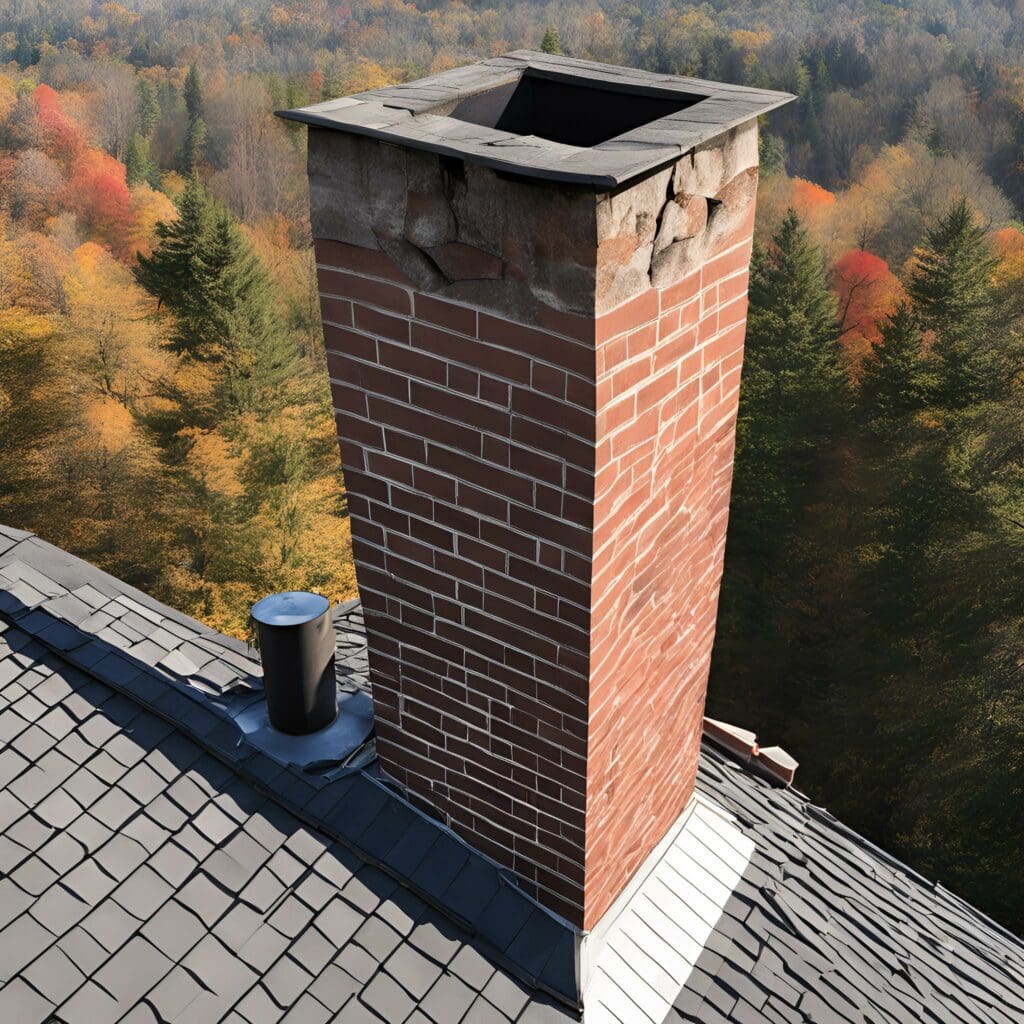
With years of exposure, liners crack and deteriorate. If you notice tile or clay fragments in your fireplace, it’s time to schedule a chimney inspection. Cracks allow heat and gases to escape, increasing the risk of chimney fires and structural damage.
Cracked liners can allow heat and dangerous gases to escape into the walls of your home. This can lead to chimney fires or structural damage over time. If you notice bits of clay or tile falling into your fireplace, it could be a sign that your liner is deteriorating. Even if you don’t see visible damage, an inspection may reveal hidden cracks that need immediate attention.
Smoke Leaking into Your Home? It’s Time to Pay Attention
If you notice a smoky smell or visible smoke inside, your liner may be failing. This isn’t just unpleasant—it’s a health hazard. A certified chimney inspection can identify hidden damage and determine if relining is required.
Smoke leakage happens when cracks or gaps in the liner allow fumes to escape before they reach the chimney’s exit. Not only is this unpleasant, but it also poses serious health risks. Breathing in smoke and combustion byproducts can lead to respiratory issues, eye irritation, and long-term health concerns. If you experience persistent smoke problems, it’s time to have your chimney professionally inspected.
White Staining on the Chimney Exterior – A Sign of Excess Moisture
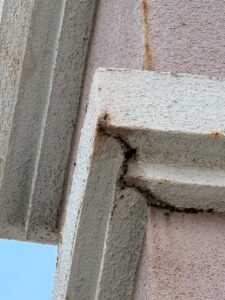
White staining (efflorescence) indicates water intrusion, often linked to liner failure. This excess moisture can weaken masonry, requiring chimney masonry repair or even chimney flashing replacement to stop leaks. Pairing relining with chimney cap installation is a smart preventative step.
Moisture is one of the biggest threats to your chimney’s longevity. Over time, water damage can weaken bricks, cause cracks, and create the perfect environment for mold and mildew. If your chimney has white stains, it’s best to have it checked before the problem worsens.
Difficulty Starting Fires or Poor Draft
Struggling with weak fires or poor airflow? A deteriorating liner may be disrupting draft. This can also cause faster creosote accumulation, which is why annual chimney services are so important.
A deteriorating liner can disrupt the airflow, making it harder for your fireplace to operate efficiently. This leads to excessive smoke buildup, increased creosote accumulation, and a frustrating experience every time you try to light a fire. If you’ve noticed a decline in your fireplace’s performance, your liner might need replacement.
Increased Creosote Buildup – A Fire Hazard You Can’t Ignore
Creosote buildup is one of the biggest risks of a failing liner. If you notice thick tar-like deposits, schedule commercial chimney cleaning or home chimney sweeping immediately. Relining may be needed to permanently solve the problem.
This creates a dangerous situation, as creosote is one of the primary causes of chimney fires. If you notice a thick, tar-like substance inside your chimney, it’s time to act. Regular inspections and cleanings can help prevent excessive buildup, but if the underlying cause is a deteriorating liner, replacing it is the safest option.
Strange Odors Coming from Your Fireplace
Musty, smoky, or burnt odors may signal trapped moisture in a failing liner. Combined with summer humidity, this can accelerate deterioration. A level 2 chimney inspection can detect hidden liner issues behind these smells.
During warmer months, a broken liner can also allow humid air to settle inside your chimney, leading to that damp, musty smell. If odors are becoming a persistent problem, an inspection can help determine if relining is necessary.
The Best Time to Reline Your Chimney
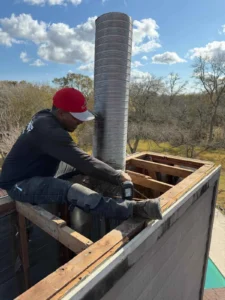
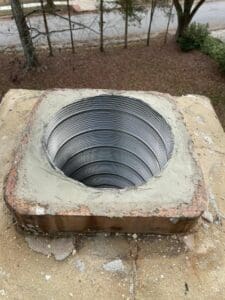
Relining should ideally be done before winter. A professional can evaluate whether you need a new stainless steel liner or repairs to your existing clay system. Pairing relining with services like seal leaky chimney ensures long-term performance.
A professional chimney technician can assess your liner’s condition, recommend the best relining material for your chimney type, and restore your fireplace to peak performance. Whether your liner is cracked, deteriorating, or simply outdated, relining can provide a long-term solution for efficiency and safety.
Stay Ahead of Chimney Issues with Regular Inspections
Chimney problems don’t happen overnight. Most issues start small and worsen over time, which is why proactive maintenance is key. If your fireplace isn’t performing as well as it used to, or if you’ve noticed any of these warning signs, now is the time to take action.
Stay ahead of costly repairs and keep your home safe by scheduling regular chimney inspections. Want to learn more about keeping your fireplace and chimney in top shape? Follow our blog for the latest updates, expert advice, and maintenance tips!
Ensure Your Chimney is Safe
A damaged or improperly lined chimney is a serious fire and carbon monoxide risk. Contact our experts at Texas Chimney LLC to schedule an inspection and secure your home with a professional chimney relining service.