A well-maintained chimney is crucial for the safety and efficiency of your home. Over time, chimneys are exposed to various weather conditions, creosote buildup, and structural wear that can lead to potential hazards. Whether you’ve noticed minor cracks or significant damage, understanding the chimney repair process can save you time, money,
Identifying Chimney Issues Early
Chimneys are often neglected until a visible problem arises. However, small issues can quickly turn into costly repairs if left unattended. The most common signs of chimney problems include cracked mortar joints, chimney leak repair, spalling bricks, and excessive creosote buildup. If you notice white staining (efflorescence) on the chimney exterior, it indicates moisture penetration. Additionally, a deteriorating chimney cap repair in Houston, TX may expose your chimney to rain and debris, leading to more extensive damage.
Another common issue is a smoky fireplace. If you experience excessive smoke indoors when using your fireplace, it could be due to poor ventilation, a blocked chimney, or an improperly sized flue. Neglecting these issues can lead to carbon monoxide buildup, which is hazardous to your household.
The Importance of Regular Chimney Inspections
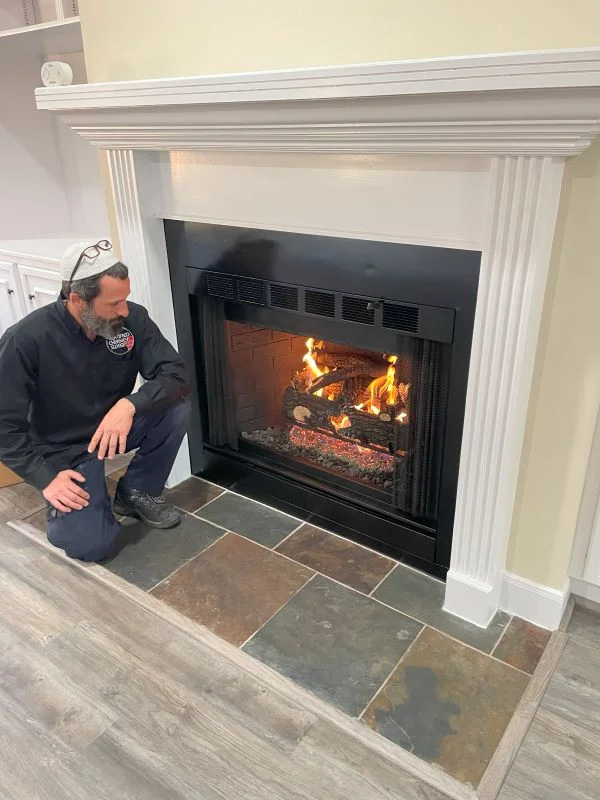
Routine chimney inspection help in detecting problems before they escalate. Homeowners should schedule at least one professional chimney inspection annually to ensure the structural integrity of their chimney. A professional chimney inspection expert can assess the condition of the flue liner, bricks, mortar, and chimney cap.
While a professional inspection is necessary, you can also perform a quick visual check by looking for loose bricks, rusted components, and blockages. If you detect an unusual odor or excessive soot around your fireplace, it could indicate airflow problems requiring immediate attention. Additionally, a leaning chimney or gaps between the chimney and house structure could signal foundation issues, which should be addressed immediately.
Step-by-Step Chimney Repair Process
1. Cleaning and Clearing the Chimney
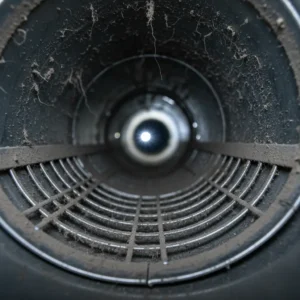
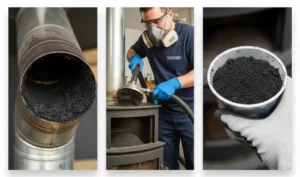
Before starting any repair work, the chimney must be thoroughly cleaned. A buildup of creosote and soot can lead to dangerous chimney fires. Using a chimney sweep brush and vacuum, professionals remove debris and obstructions to ensure proper ventilation. If a blockage is found, such as bird nests or leaves, it must be removed to prevent airflow restrictions.
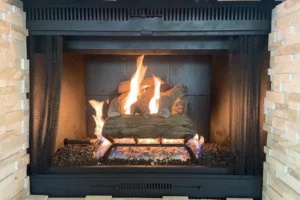
Proper cleaning also improves the efficiency of your fireplace. A clean chimney ensures better airflow, allowing smoke to exit smoothly and reducing the risk of dangerous fumes entering your home. Homeowners should also consider installing a chimney cap with mesh to prevent animals from nesting inside the flue.
2. Repairing or Replacing Damaged Bricks and Mortar
Cracked or deteriorating bricks compromise the chimney’s structure and appearance. A process called tuckpointing is used to remove old mortar and replace it with fresh mortar, ensuring stability. If bricks are beyond repair, they are replaced with new ones that match the existing structure. Proper sealing prevents moisture penetration, a common cause of chimney deterioration.
Ignoring brick and mortar damage can result in serious structural problems. Water seeps into cracks and expands during freezing temperatures, causing further deterioration. This process, known as the freeze-thaw cycle, can lead to chimney replacement if left unaddressed.
3. Fixing Chimney Leaks and Waterproofing
Chimney leaks are a major concern, especially during heavy rain. Water infiltration leads to rust, mold, and weakened mortar joints. Applying a high-quality seal leaky chimney sealant prevents moisture from seeping into the chimney. Additionally, chimney flashing repair—the metal component that seals the joint between the chimney and roof—should be inspected for any gaps or rust. Repairing or chimney flashing replacement helps prevent water damage inside the home.
A key factor in preventing leaks is ensuring proper drainage. If your chimney lacks a drip edge, water can easily run down the chimney’s surface, causing damage over time. Installing a properly designed chimney crown with an overhanging edge directs water away, prolonging the lifespan of your chimney.
4. Repairing or Replacing the Chimney Cap
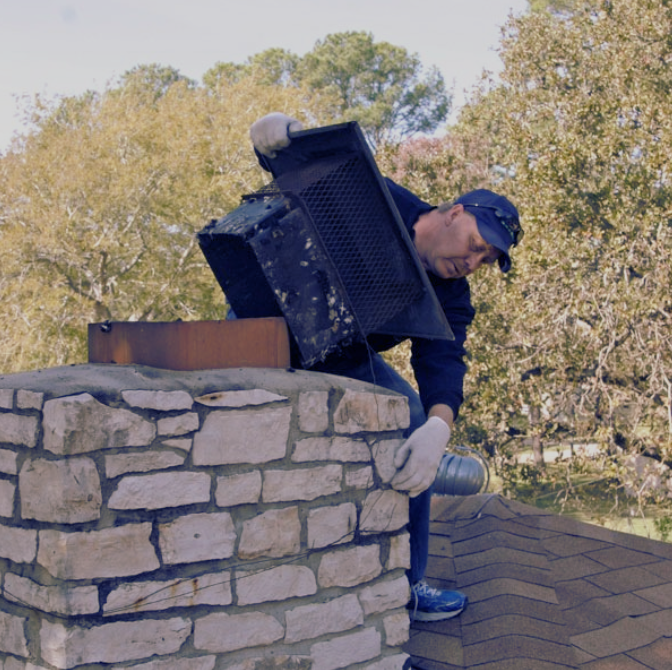
A damaged or missing chimney cap repair in Houston, TX can expose your chimney to rain, snow, and debris. The cap acts as a protective barrier, preventing animals from nesting inside the flue. It also helps in controlling downdrafts, which can cause smoke to enter your home instead of escaping through the chimney. If the chimney cap is rusted or cracked, replacing it with a stainless steel or copper cap ensures long-term durability.
Chimney caps also improve energy efficiency by preventing cold air from entering your home during the winter months. A properly fitted cap can help reduce heating costs by minimizing heat loss through the chimney when the fireplace is not in use.
5. Restoring the Chimney Crown
The chimney crown is the topmost part that protects against water infiltration. Cracks in the crown allow moisture to seep in, leading to structural damage. Repairing the crown involves filling cracks with a specialized sealant or applying a new concrete layer to reinforce its durability. Ensuring a sloped design prevents water from pooling and further weakening the structure.
A damaged chimney crown can often be repaired without a full replacement. Using a flexible waterproofing material designed for chimney crowns can extend its lifespan and prevent costly repairs in the future. However, if the damage is extensive, a full crown rebuild may be necessary.
6. Relining the Chimney Flue
The flue liner plays a crucial role in directing smoke and gases safely out of the home. Over time, clay or metal liners can crack or deteriorate due to high temperatures and corrosive gases. If a flue liner is damaged, chimney relining the chimney with a stainless steel or ceramic liner enhances efficiency and safety. A properly lined chimney improves airflow and reduces the risk of chimney fires.
Flue relining is especially important for older homes with unlined chimneys. Modern chimney construction codes require chimneys to have a protective liner to prevent heat transfer to combustible materials within the home’s structure. Upgrading your chimney liner improves overall safety and ensures compliance with current regulations.
Keeping Your Chimney in Optimal Condition
Preventive maintenance is the key to avoiding costly repairs. Homeowners should follow these tips to keep their chimneys in top shape. Schedule annual chimney inspections and cleanings. Install a high-quality chimney cap to prevent debris and animal intrusion. Monitor for signs of water damage and apply waterproofing treatments. Avoid burning unseasoned wood, as it increases creosote buildup. Check for draft issues and ensure proper ventilation to maintain fireplace efficiency. Repair minor cracks and damage before they escalate into major problems.
Stay Updated with Expert Chimney Maintenance Tips
Your chimney plays a vital role in keeping your home safe and warm. By following a proactive maintenance approach, you can extend its lifespan and prevent expensive repairs. If you suspect any chimney issues or need a professional assessment, check out more expert advice on chimney cap repair in Houston, TX. Stay tuned for more updates on chimney maintenance, repair techniques, and essential home improvement tips!