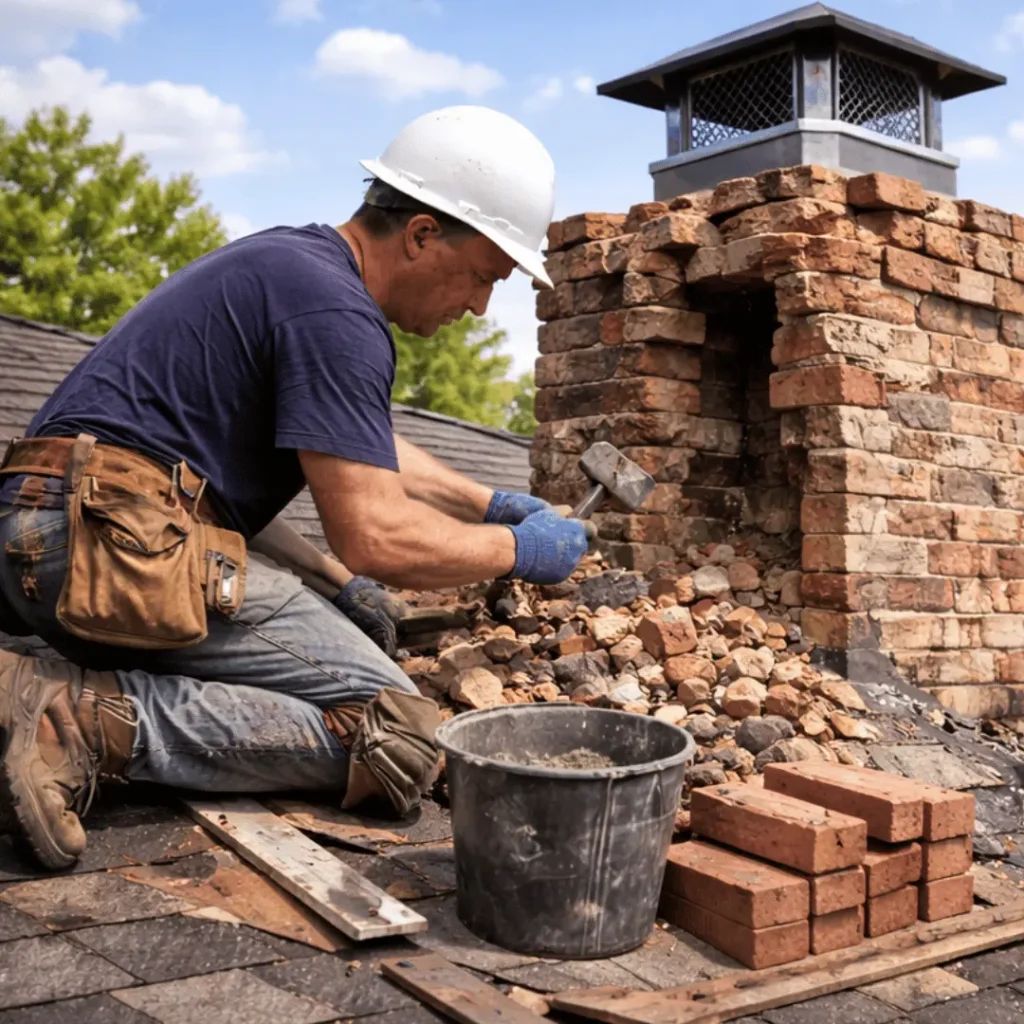
Deciding to replace a chimney is a significant commitment for any homeowner. It is not merely a cosmetic update but a crucial structural renovation that ensures the safety of your home and family. Whether your chimney has suffered severe storm damage from Houston’s unpredictable weather or has simply reached the end of its structural lifespan due to age, understanding the process can alleviate the stress of the unknown.
At Texas Chimney LLC, we believe in transparency. We want our clients to feel confident and informed every step of the way. A full replacement is a complex orchestration of demolition, masonry, and engineering. It requires specialized skills to ensure the new structure meets modern building codes and performs efficiently for decades. Here is a detailed look at what happens when our professional team arrives to restore the heart of your home.
Step 1: Comprehensive Assessment and Planning
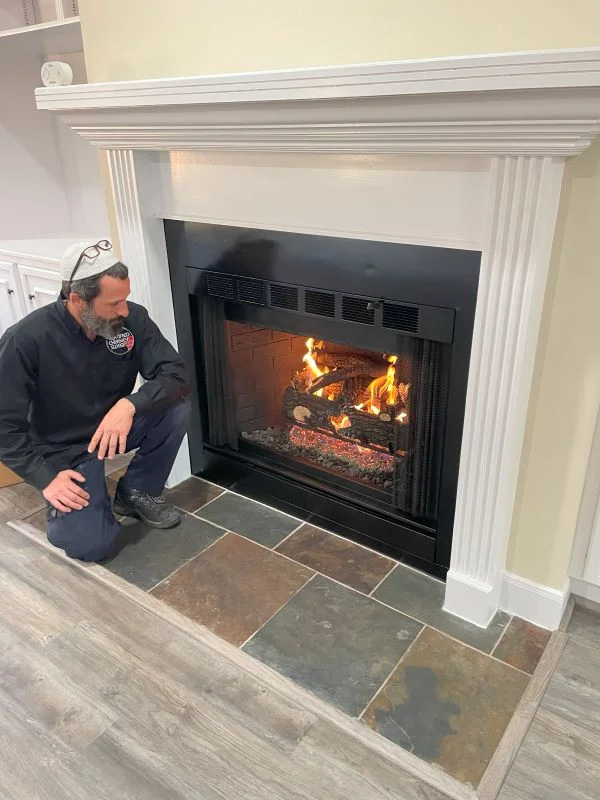
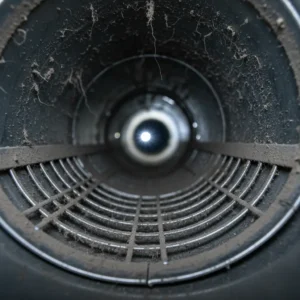
Before a single brick is removed, a thorough evaluation is essential. We never begin a demolition without a complete understanding of the underlying issues. The process starts with a detailed chimney inspection. Our technicians use advanced cameras to examine the interior flue liner and assess the stability of the exterior masonry.
This phase is critical for determining the scope of the project. We identify whether the issue is isolated to the upper stack or if the damage extends down to the firebox and foundation. We also discuss your aesthetic preferences and functional needs. Are you looking to match the existing brickwork perfectly? Do you want to upgrade to a more durable material? This planning stage ensures that the final result aligns with your vision and fits the architectural style of your home.
Step 2: Site Preparation and Safety Measures
Chimney replacement is a construction project that generates dust and debris. Our first priority on the day of service is protecting your property. We treat your home with the same respect we would our own.
Inside the house, we seal off the fireplace opening with heavy-duty plastic sheeting and drop cloths. This prevents soot and dust from entering your living room or damaging your furniture. Outside, we set up safety zones around the work area. Scaffolding is often erected to provide a stable platform for our masons to work safely at heights. We also take measures to protect your landscaping, roof shingles, and driveway from falling debris or heavy equipment. Safety is paramount, and we adhere to strict protocols to ensure the well-being of our crew and your family.
Step 3: Controlled Demolition
Once the site is prepped, the removal of the old structure begins. This is a delicate process known as controlled demolition. We do not simply knock the chimney down. Instead, we dismantle it brick by brick or section by section.
This careful approach prevents damage to the surrounding roof structure and the home’s framing. We remove the deteriorated masonry, the damaged flue liners, and any rusted metal components. All debris is collected and hauled away, keeping your property clean. During this phase, we may uncover hidden issues such as rotted wood framing or water damage behind the chimney. If we find anything unexpected, we communicate with you immediately to adjust the plan and ensure the underlying structure is sound before we begin rebuilding.
Step 4: Structural Reconstruction
With the old materials removed and the foundation verified, the rebuilding process begins. This is where the artistry and engineering of chimney replacement come into play.
For masonry chimneys, our skilled masons lay new brick or stone, carefully mixing mortar to ensure a strong, long-lasting bond. We install a new flue liner simultaneously with the masonry shell. This liner is the exhaust pipe for your fireplace, carrying smoke and gases safely out of the home. We ensure it is properly sized for your fireplace to guarantee optimal draft and efficiency.
If you are replacing a prefabricated metal chimney, we install the new stainless steel pipe sections, ensuring they are properly supported and insulated according to manufacturer specifications. This stage is about precision. Every course of brick must be level, and every joint must be solid to withstand the Texas heat and humidity.
Step 5: Waterproofing and Flashing Installation
Water is the number one enemy of chimneys, especially in the Gulf Coast region. A beautiful new chimney is useless if it leaks during the first thunderstorm. Therefore, waterproofing is a critical part of the installation process.
We pay special attention to the flashing. This is the metal seal where the chimney meets the roof. We install a dual-layer flashing system that allows the chimney and the roof to expand and contract independently while maintaining a watertight barrier. We also install a new chimney crown. The crown is the concrete slab at the very top of the stack. Unlike the thin mortar washes used in the past, we pour a thick, reinforced concrete crown with an overhang to shed water away from the bricks below.
Proper chimney repair techniques are integrated into the build to prevent future leaks. This includes applying a breathable water repellent to the new masonry, allowing it to “breathe” while blocking liquid water from entering the pores of the brick.
Step 6: Finishing Touches and Cleanup
The final functional components are the chimney cap and the damper. We install a high-quality, stainless steel chimney cap to keep out rain, debris, and animals. If your system requires a top-sealing damper, we install it at this stage to provide an energy-efficient seal when the fireplace is not in use.
Once the construction is complete, we begin the cleanup process. We dismantle the scaffolding, remove the protective tarps, and sweep the work area. We aim to leave your property looking better than we found it. We also perform a final walkthrough with you to show you the work and explain how to care for your new system.
Why Professional Installation Matters
You might be tempted to view chimney work as a general masonry job, but it is a specialized trade. The physics of airflow, the chemistry of combustion, and the specific building codes regarding clearance to combustibles are complex. A general contractor may lay a beautiful brick wall, but that does not mean they can build a safe, drafting chimney.
By choosing a specialized company like Texas Chimney LLC, you are investing in peace of mind. Our team understands the specific challenges of the Houston climate. We use materials and techniques designed to resist spalling, rust, and thermal shock. We build chimneys that are not just vertically standing structures but functional machines that exhaust deadly gases safely.
The Long-Term Value of a New Chimney
A professional replacement adds immediate value to your home. It restores the functionality of your fireplace, allowing you to enjoy the warmth and ambiance once again. It also boosts curb appeal. A leaning or crumbling chimney is an eyesore that can detract from your home’s appearance. A new, straight, and clean chimney signals to future buyers that the home has been well-maintained.
Moreover, modern materials and construction methods are far superior to those used decades ago. Your new chimney will be more efficient, safer, and easier to maintain than the one it replaced. It is an investment in the longevity of your home.
Ready to Start Your Project?
If you suspect your chimney is beyond repair or if you are ready to upgrade your home’s exterior, do not hesitate to reach out. The experts at Texas Chimney LLC are ready to guide you through the replacement process with professionalism and care. We handle every detail so you can enjoy the result. Contact us today at (713) 322-5196 or visit our contact page to schedule your consultation. Let us build a safer, more beautiful future for your home.