When the weather turns cool, few things are as comforting as a crackling fire. The warmth, the smell, and the ambient glow make a fireplace the cozy heart of a home. It is a source of comfort and relaxation. But what if this source of comfort was hiding a serious, invisible threat?
The reality is that your chimney is a complex system that requires regular maintenance to function safely. It is an “out of sight, out of mind” part of the house, which makes it easy to neglect. However, overlooking this critical task can lead to devastating consequences.
A chimney’s job is twofold: to safely contain a fire and to vent all the smoke and toxic byproducts out of your home. When it is dirty or compromised, it fails at both, putting your property and your family at risk. This is not just a matter of cleanliness. It is one of the most important preventative safety measures you can take for your home.
Here is a detailed look at why professional chimney cleaning is essential for home safety.
1. The Number One Hazard: Chimney Fires
The most immediate and dangerous threat in a dirty chimney is a chimney fire. To understand this risk, you need to know about a substance called creosote.
What is Creosote?
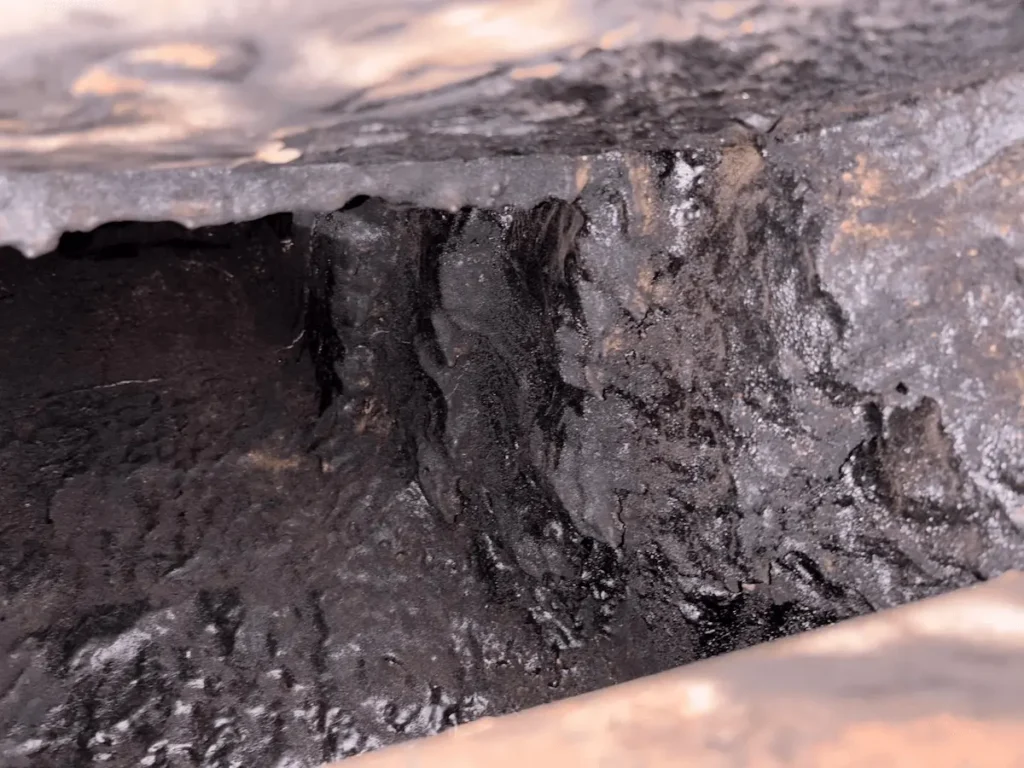
When you burn wood, the smoke that travels up your chimney contains more than just soot. It is filled with unburned wood particles, tar, and other organic vapors. As this smoke cools on its way up the flue, these substances condense and stick to the inner walls. The resulting buildup is called creosote.
The Stages of Buildup
Creosote does not just appear in one form. It builds up in progressive, and progressively dangerous, stages:
- Stage 1: A fine, flaky soot. It is easy to remove with a brush.
- Stage 2: A tarry, sticky deposit. This is more difficult to remove and more flammable.
- Stage 3: A hard, glazed, or “glassy” deposit. This is the most concentrated, most flammable, and most difficult form of creosote to remove, often requiring specialized tools.
How a Chimney Fire Starts
This buildup, especially in stages 2 and 3, is an incredibly potent fuel source lining your entire chimney. All it takes is a single hot spark or ember from your fireplace to ignite this hidden fuel.
A chimney fire is not a small, contained event. It can burn at over 2,000 degrees Fahrenheit. This intense heat can crack your chimney liner, damage the masonry, and, in a worst-case scenario, ignite the surrounding wooden structure of your home, such as your attic or roof. Many devastating house fires start this way.
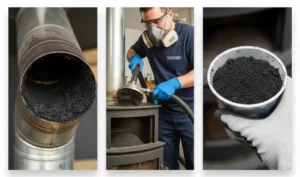
The Solution: A professional chimney sweep & cleaning service is the only way to safely and completely remove this flammable creosote buildup, effectively eliminating the primary fuel source for a chimney fire.
2. The Silent Killer: Carbon Monoxide Poisoning
While a chimney fire is a loud and violent danger, a blocked chimney creates a threat that is completely silent and invisible: carbon monoxide (CO).
Your chimney is your home’s exhaust pipe. A fire, whether wood or gas, produces carbon monoxide as a byproduct of combustion. A clear flue allows this deadly gas to escape safely to the outside.
However, chimneys can easily become blocked.
Debris and Nests: The warm, sheltered opening is an attractive place for birds, squirrels, and other animals to build nests. Leaves, twigs, and other debris can also fall or blow in.
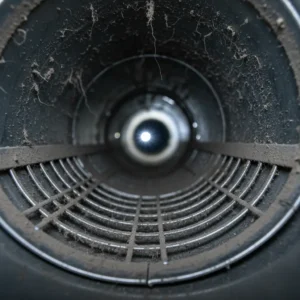
Heavy Creosote: A severe buildup of creosote can eventually narrow the flue to the point of a blockage.
Damaged Liner: A collapsed or damaged flue liner can also obstruct the path.
When the flue is blocked, all that smoke, soot, and toxic gas has nowhere to go. It is forced back down the chimney and into your living room. Carbon monoxide is odorless, colorless, and tasteless, making it impossible to detect without a working CO detector. It can quickly fill a home, leading to dizziness, nausea, unconsciousness, and, tragically, death.
The Solution: A thorough cleaning service ensures the flue is completely clear from top to bottom. It removes all nests, debris, and blockages, guaranteeing a safe and open passage for smoke and carbon monoxide to exit your home. This is also why a chimney cap installation & repair is so vital, as it blocks animals and debris from ever entering in the first place.
3. Preventing Costly Structural Damage
This is a safety benefit that is often overlooked. Regular chimney cleanings are also a form of preventative maintenance that saves your home’s structure.
The byproducts in soot and creosote are not just flammable. They are also acidic and corrosive. Over time, these chemicals can eat away at your chimney’s components:
Mortar Joints: The acidic residue can break down the mortar that holds your chimney’s bricks together.
Flue Liner: It can cause cracks and deterioration in the clay flue liner.
Damper: The corrosive materials can cause your metal damper to rust and warp, making it difficult or impossible to operate.
A cracked flue liner or a deteriorated mortar joint is a critical safety failure. These gaps create a pathway for the fire’s intense heat to escape the flue and reach the combustible parts of your house. It also creates a channel for carbon monoxide to leak into your walls.
This is why a chimney inspection is a standard part of any professional cleaning service. A trained technician can spot this damage early, before it leads to a fire or a costly chimney repair. This is also true for water damage. A blockage from a nest can trap rain, leading to serious water leak repair issues that compromise the entire chimney structure.
4. Improving Your Fireplace’s Efficiency
A clean chimney is a safe chimney, and it is also an efficient one. A proper “draft” is what pulls smoke up the chimney and draws oxygen into the firebox. A flue that is clogged with creosote or debris has a poor draft.
This leads to a smoky, smoldering fire that is difficult to start and keep lit. This type of inefficient fire is frustrating, produces less heat, and, in a vicious cycle, actually creates more smoke and creosote.
A professional cleaning restores your chimney’s proper draft. Your fires will start more easily, burn hotter and brighter, and radiate more warmth into your home. A good draft means a more complete combustion, which creates less smoke and slows the rate of future creosote buildup.
The National Fire Protection Association (NFPA) recommends that all chimneys, fireplaces, and vents be inspected at least once a year and cleaned as needed. For your family’s safety, this is one piece of home maintenance you can never afford to skip.
Your home’s safety is our number one priority. A clean chimney provides peace of mind, allowing you to enjoy your fireplace without worry. If you cannot remember the last time your chimney was inspected, or if you are planning to use your fireplace this season, do not wait for a problem to occur. Contact us at Texas Chimney LLC today to schedule your professional cleaning and inspection, and ensure your home is safe and ready for the season.