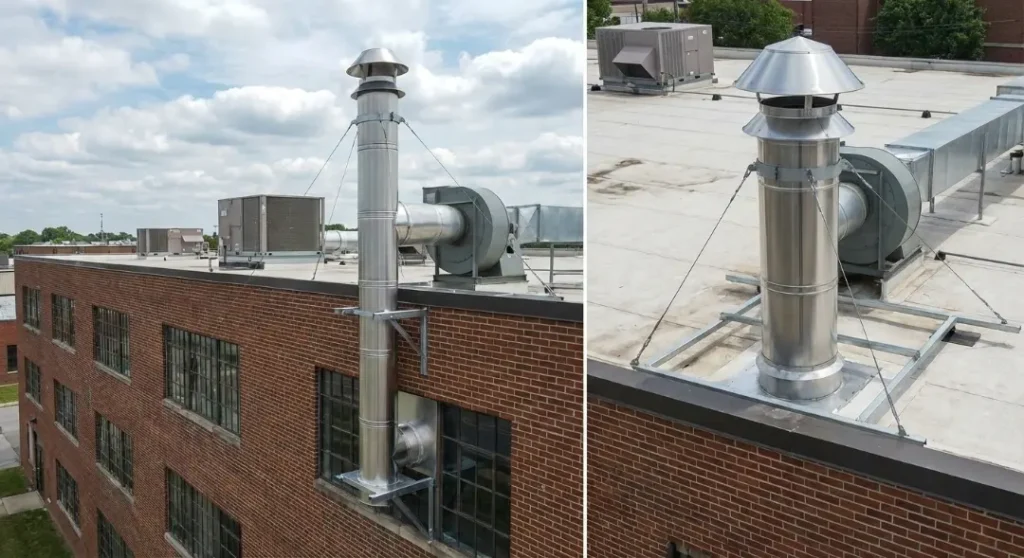
For business owners and facility managers in Houston, the reliability of building infrastructure is non-negotiable. Whether you run a bustling restaurant, a boutique hotel, or a large industrial facility, your heating and ventilation systems are the unsung heroes that keep operations running smoothly. At the heart of many of these systems lies the chimney. While residential homeowners might get away with an annual sweep, the demands placed on commercial systems are vastly different.
At Texas Chimney LLC, we have seen firsthand the stress that commercial operations place on venting systems. A clogged or neglected chimney in a business setting is not just a fire hazard; it is a liability that can lead to downtime, code violations, and increased operational costs. Understanding why your commercial setup requires more frequent attention is key to protecting your investment and ensuring the safety of your employees and customers.
The Scale of Operation: Volume Matters
The most obvious difference between a home fireplace and a commercial chimney is the sheer volume of use. A residential fireplace might see action on chilly evenings or during the holidays. In contrast, commercial boilers, pizza ovens, and industrial heating systems often operate continuously or for extended hours every single day.
This relentless usage cycle means that combustion byproducts accumulate at a much faster rate. Soot, creosote, and other particulate matter build up rapidly when a system is in constant use. In a residential setting, it might take a year to build up a dangerous layer of creosote. in a commercial setting, that same level of buildup can occur in a matter of months or even weeks depending on the fuel source. Neglecting this rapid accumulation can lead to significant airflow blockages, reducing the efficiency of your equipment and increasing the risk of a chimney fire.
Diverse Fuel Types and Chemical Byproducts
Commercial chimneys often vent exhaust from a wider variety of fuel sources than the typical residential wood or gas setup. Restaurants, for example, deal with grease-laden vapors that are highly flammable and sticky. When these vapors enter the chimney structure, they cool and solidify on the flue walls, creating a fuel source that is incredibly difficult to remove once it hardens.
Industrial facilities might be venting corrosive chemical byproducts that can eat away at the flue liner. This chemical attack accelerates structural degradation. Regular commercial chimney cleaning is not just about removing soot; it is about neutralizing these corrosive elements and removing flammable grease before they compromise the integrity of the chimney or start a fire. Specialized cleaning techniques are often required to handle these unique commercial residues, something that standard sweeping methods cannot achieve.
Regulatory Compliance and Insurance Requirements
Operating a business in Texas comes with a web of regulations, particularly concerning fire safety. The National Fire Protection Association (NFPA) sets strict standards for chimney and vent maintenance in commercial properties. NFPA 211, for instance, outlines specific inspection and cleaning schedules that businesses must follow to remain compliant.
Failure to adhere to these codes can result in hefty fines or, in severe cases, the shutdown of your operations by the fire marshal. Furthermore, your commercial property insurance likely has clauses requiring proof of regular maintenance. If a fire occurs and it is determined that negligence in chimney maintenance was the cause, your insurance claim could be denied.
To stay on the right side of regulations, we recommend a strict schedule of maintenance. Integrating a recurring chimney inspection into your facility management plan ensures that you have the documentation needed to satisfy inspectors and insurance adjusters. It proves due diligence and protects your business from liability.
Efficiency and Operational Costs
Every business owner knows that efficiency equals profit. A dirty chimney is an inefficient chimney. When soot and debris clog the flue, the draft is restricted. This lack of proper airflow forces your heating appliances to work harder to achieve the same result. For a large boiler system or a commercial oven, this slight drop in efficiency translates to significantly higher fuel bills over the course of a fiscal year.
Beyond fuel costs, the strain on your appliances can lead to premature equipment failure. A boiler that cannot vent properly runs hotter and faces more internal stress, leading to costly repairs or the need for early replacement. By investing in frequent cleaning, you are essentially performing preventative maintenance on your expensive heating equipment. The cost of a professional cleaning is a fraction of the cost of replacing a commercial boiler or shutting down a restaurant kitchen for emergency repairs.
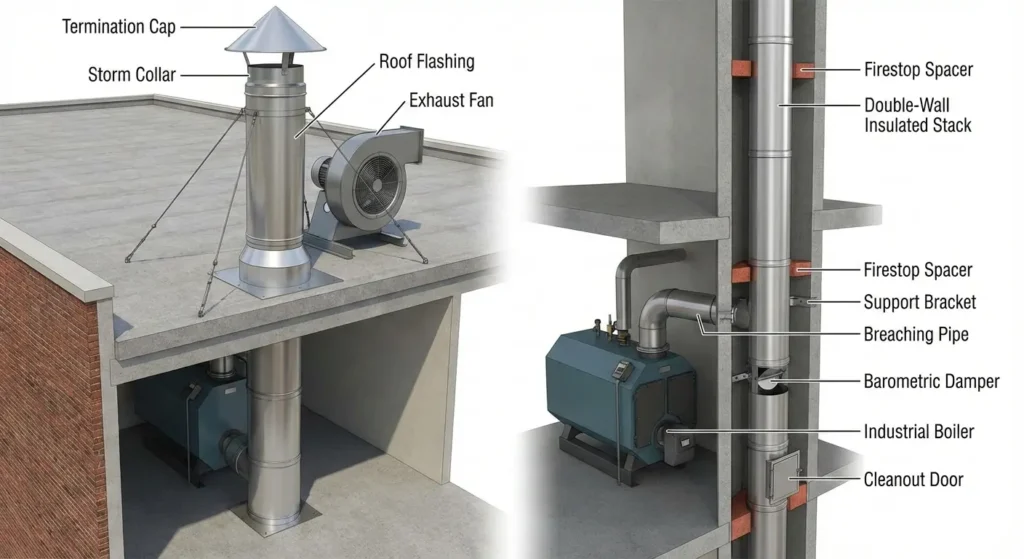
The Hidden Danger of Carbon Monoxide
Safety is the paramount concern for any commercial space occupied by employees or the public. Blocked chimneys are a primary cause of carbon monoxide (CO) leaks. In a large commercial building, negative air pressure can easily draw exhaust gases back into the facility if the chimney is not drafting correctly.
Unlike a home where a CO detector might alert a family quickly, a leak in a large warehouse or hotel can go unnoticed until people start feeling ill. Commercial systems move large volumes of air, meaning a blockage can divert a massive amount of toxic gas into occupied spaces very quickly. Frequent cleaning ensures that the airway remains clear, allowing these deadly gases to exit the building safely. We treat every chimney sweep as a critical safety check to prevent such catastrophes.
Structural Integrity and Longevity
Commercial chimneys are often larger and more complex structures than their residential counterparts. They may run through multiple floors or stand as tall, independent stacks. The weight and size of these systems mean that structural integrity is vital.
The corrosive nature of commercial exhaust can damage masonry and metal liners over time. Frequent cleaning allows technicians to spot early signs of wear, such as cracks in the masonry, spalling bricks, or rusting liners. Catching these issues early allows for minor chimney repairs rather than major structural overhauls. If you wait until the chimney is visibly crumbling, the cost to fix it will be astronomical compared to the cost of regular maintenance visits.
The Texas Chimney LLC Advantage
We understand that commercial clients have unique needs. You cannot afford downtime, and you need a partner who works around your schedule. Texas Chimney LLC offers flexible scheduling for our commercial clients to ensure that cleaning and maintenance do not disrupt your business operations.
Our team is trained to handle the complexities of commercial systems, from high-rise venting to industrial exhaust stacks. We use industrial-grade equipment designed to tackle heavy creosote and grease buildup that standard residential tools cannot touch. When you partner with us, you are getting a team that understands the specific building codes and safety requirements of Houston’s commercial sector.
Conclusion
In the world of commercial property management, reactive maintenance is a recipe for disaster. Waiting for a problem to arise with your chimney system is a gamble with safety, legal compliance, and your bottom line. The high volume of use, unique fuel types, and strict regulatory environment make frequent cleaning a necessity, not a luxury.
A clean chimney runs efficiently, passes inspections, and most importantly, keeps your building safe for everyone inside. Don’t let a neglected flue become the bottleneck of your business. Treat your chimney with the same level of care you give to the rest of your commercial equipment, and it will serve your business reliably for years to come.
Schedule Your Commercial Assessment Today
Is your facility due for a chimney check-up? Do not wait for a failed inspection or a safety incident to act. Contact us today to set up a maintenance plan tailored to your business needs. Our certified professionals are ready to help you maintain compliance and efficiency. Call us at (713) 322-5196 a free quote. Let us handle the dirty work so you can focus on running your business.