In the diverse climate of Texas, where a week of scorching sun can be followed by a torrential downpour or a sudden freeze, the structural integrity of your home is constantly under siege. For homeowners with a fireplace, one of the most vital yet overlooked components of home maintenance is the chimney cap.
While it may seem like a minor accessory, a high-quality chimney cap serves as the first line of defense for your chimney system. Without one, your flue is essentially an open pipe leading directly into the heart of your home, vulnerable to water damage, wildlife, and fire hazards. Understanding the protective benefits of a chimney cap is essential for ensuring your fireplace remains a safe and efficient feature of your household.
1. Shielding Your Home from Water Damage
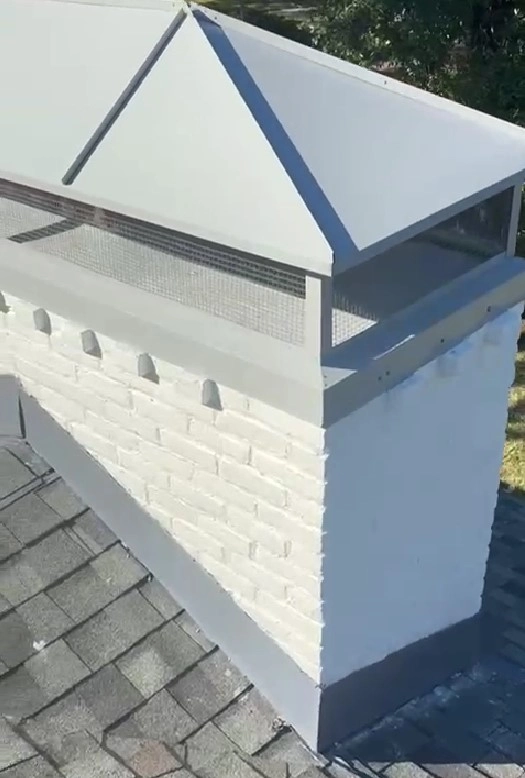
Water is the single most destructive force for a chimney. Because masonry materials like brick and mortar are porous, they act like a sponge, absorbing moisture during every rainstorm. When water enters an uncapped chimney, it doesn’t just sit there; it migrates through the structure, causing a cascade of expensive problems.
Preventing Structural Erosion and Rust
Inside the chimney, moisture leads to the deterioration of the flue liner, whether it is made of clay tiles or metal. Water sitting in the firebox can also cause the damper to rust shut or corrode, making it difficult to control the airflow.
In colder parts of Texas, the freeze-thaw cycle presents an even greater risk. Moisture that has seeped into the bricks expands as it freezes, causing the masonry to crack or “spall” (where the face of the brick pops off). A chimney cap acts as an umbrella, deflecting rain and snow away from the flue opening and preserving the structural life of your chimney by decades.
2. Keeping Unwanted Wildlife Out
A chimney without a cap is an open invitation to Texas wildlife. For birds, squirrels, and raccoons, a chimney flue looks like a perfect, hollow tree, a safe, warm place to build a nest.
The Danger of Blockages

When animals nest inside a chimney, their nesting materials (twigs, grass, and leaves) create massive blockages. These blockages prevent the safe exhaust of combustion gases, which can lead to smoke backing up into your living room. More dangerously, these obstructions can trap carbon monoxide, an odorless, colorless gas that is potentially lethal.
Furthermore, animals can become trapped and die within the flue, leading to horrific odors and infestations of flies or other pests. A chimney cap equipped with a sturdy mesh screen provides a physical barrier that allows smoke to escape while keeping even the most persistent critters out. According to the Humane Society of the United States, professional capping is the most effective and humane way to prevent wildlife from entering residential structures.
3. Enhancing Fire Safety with Spark Arrestors
Most modern chimney caps are designed with a built-in spark arrestor. This is a specialized mesh screen that surrounds the cap’s opening.
When you burn wood, small sparks and burning embers can travel up the flue with the rising heat. On a dry or windy Texas day, these embers can exit the chimney and land on your roof, or worse, on nearby dry vegetation or wooden structures. The spark arrestor catches these “stray” embers before they can exit the chimney, significantly reducing the risk of a rooftop fire. The National Fire Protection Association (NFPA) emphasizes the importance of spark arrestors in preventing wildfires and accidental structure fires in residential areas.
4. Reducing Downdrafts and Improving Efficiency
If you’ve ever noticed a sudden puff of smoke entering your home on a windy day, you’ve experienced a downdraft. Wind blowing directly over an open chimney can push air and smoke back down the flue.
A well-designed chimney cap is engineered to deflect wind. By preventing gusts from entering the flue, the cap helps maintain a consistent “updraft,” ensuring that smoke and gases move upward and out as intended. This not only keeps your indoor air cleaner but also improves the efficiency of your fireplace, helping you get more heat out of every log you burn.
Choosing the Right Material for Longevity
When selecting a chimney cap, the material matters as much as the design. In Texas, where humidity can be high, choosing a corrosion-resistant material is key.
| Material | Durability | Best For |
| Galvanized Steel | Low | Budget-friendly, short-term use (3-5 years) |
| Aluminum | Moderate | Lightweight and rust-resistant |
| Stainless Steel | High | The industry standard for durability and value |
| Copper | Excellent | Premium longevity and aesthetic appeal |
While galvanized steel is the cheapest option, it is prone to rusting, which can leave unsightly stains on your chimney masonry. Stainless steel is the most popular choice for Texas homeowners because it balances cost with exceptional resistance to the elements.
Professional Installation and the Role of the Chimney Crown
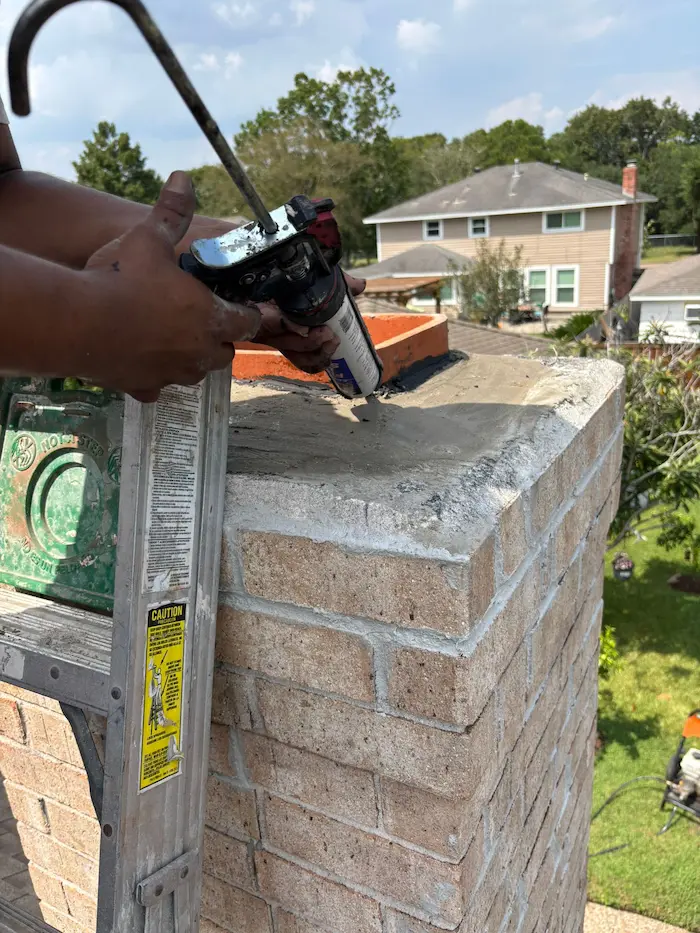
A chimney cap is only effective if it is sized and installed correctly. It must be securely attached to either the flue tile or the chimney crown to withstand high winds. During a professional installation, technicians also inspect the chimney crown, the concrete slab at the very top of the chimney.
If the crown is cracked, a “full-coverage” cap may be recommended. These larger caps cover the entire top of the chimney structure, protecting the flue and the concrete crown simultaneously. For more on the importance of maintaining the external structure of your home, you can visit the U.S. Department of Housing and Urban Development (HUD) resources on home maintenance.
Protect Your Investment with Texas Chimney LLC
A chimney cap is one of the most cost-effective upgrades you can make to your home. By spending a small amount today on a quality cap, you are potentially saving thousands of dollars in future masonry repairs, animal removal fees, and fire damage. At Texas Chimney LLC, we take pride in providing the residents of Texas with premium chimney solutions that stand the test of time. Our experts specialize in custom fitting and installing high-grade stainless steel and copper caps that offer maximum protection against rain, pests, and fire hazards. Don’t wait for a leak or a nest to compromise your home’s safety. Contact us today to schedule an inspection and ensure your chimney is properly capped for the seasons ahead.