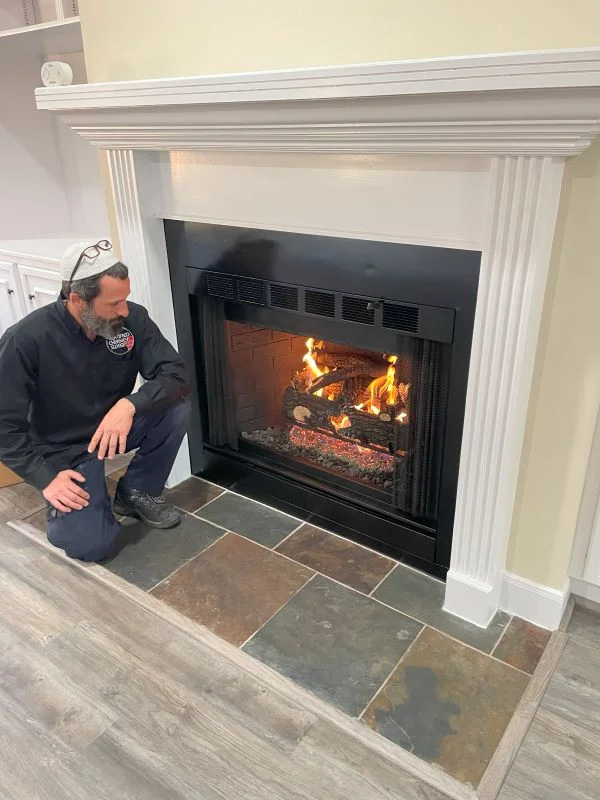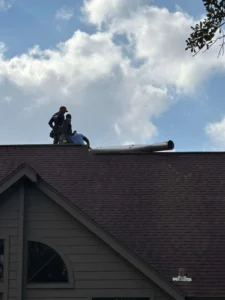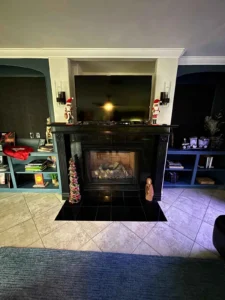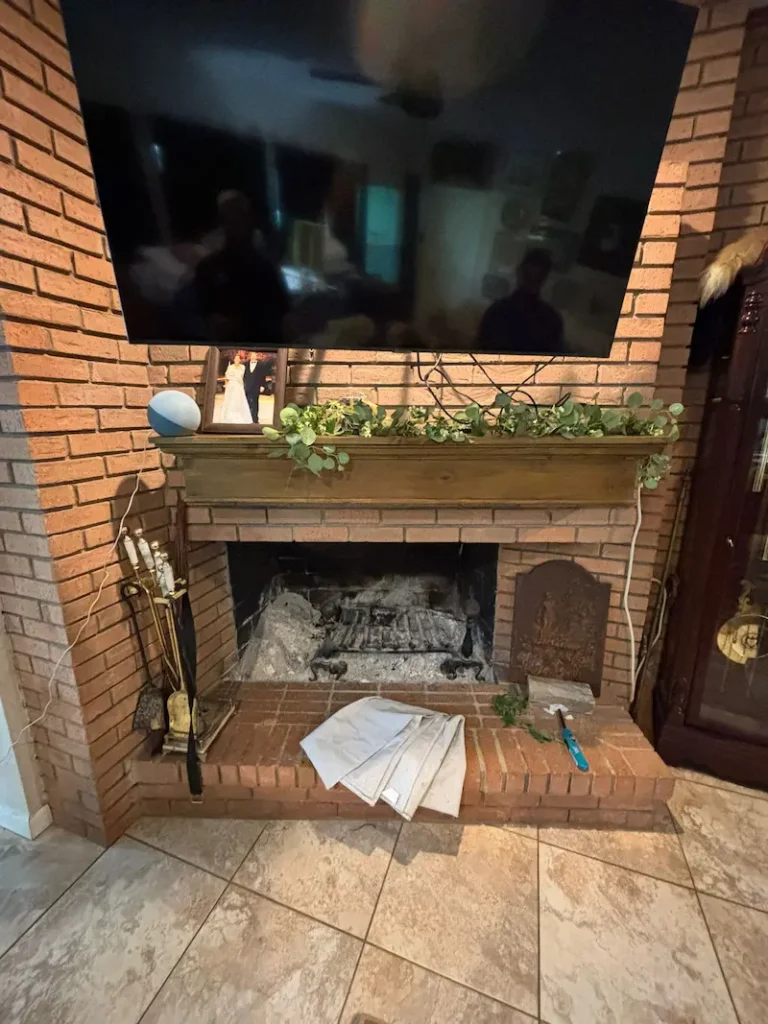
The crackle of burning logs and the dancing amber flames of a wood-burning fireplace provide a level of comfort that electric or gas alternatives simply cannot replicate. For many homeowners in Texas, the fireplace is the heart of the home during the cooler months. However, that cozy ambiance comes with a significant responsibility. Because wood-burning systems involve live combustion and the accumulation of flammable byproducts, they require a high level of technical oversight. Annual professional maintenance isn’t just a recommendation for performance; it is a critical safety protocol to protect your property and your family.
The Hidden Danger of Creosote Accumulation
The primary byproduct of burning wood is smoke, but as smoke travels up the relatively cooler chimney flue, it condenses into a substance known as creosote. This chemical compound is highly flammable and comes in three stages, ranging from flaky soot to a hard, glazed tar that is nearly impossible for a homeowner to remove without specialized equipment.
According to the National Fire Protection Association (NFPA), failure to clean chimneys is a leading factor in home heating fires. When creosote builds up to a sufficient thickness, a stray spark can ignite it, leading to a chimney fire. These fires can reach temperatures exceeding 2,000 degrees Fahrenheit, hot enough to melt metal liners and ignite the wooden framing of your house. A professional sweep from Texas Chimney LLC ensures that these combustible deposits are thoroughly cleared, restoring the safety of your flue.
Maintaining Structural Integrity and Drafting
A fireplace is a complex ventilation system that relies on physics to draw smoke up and out of the home. Over time, the structural components of the chimney can degrade due to heat stress and moisture. Professional maintenance includes a multi-point inspection of the following areas:
- The Flue Liner: Small cracks in a clay liner or gaps in a stainless steel pipe can allow heat and carbon monoxide to seep into the walls of your home.
- The Damper: A rusted or warped damper won’t seal properly, leading to massive energy loss or, worse, preventing smoke from exiting the house.
- Masonry and Mortar: Texas weather, including heavy rains and temperature shifts, can cause “spalling,” where bricks crumble and mortar joints fail.
By identifying these issues early through an annual inspection, you can avoid the “Snowball Effect” where a minor $200 repair evolves into a $5,000 chimney rebuild. Our technicians bring years of hands-on field experience to identify these subtle warning signs before they become structural emergencies.
Protecting Your Air Quality from Carbon Monoxide
While fire is the most obvious threat, Carbon Monoxide (CO) is the “silent killer” associated with poorly maintained fireplaces. If your chimney is partially blocked by bird nests, debris, or heavy soot, the toxic gases produced by wood combustion cannot escape efficiently. This leads to “back-puffing,” where CO enters your living space.
Because Carbon Monoxide is odorless and colorless, it is nearly impossible to detect without sensors. The Centers for Disease Control and Prevention (CDC) emphasizes the importance of having fuel-burning appliances inspected by a professional every year to prevent CO poisoning. During a maintenance visit, experts ensure the “draft” of your chimney is optimal, ensuring that every ounce of exhaust is directed safely outdoors.
The Impact of Wood Moisture and Burn Efficiency
Not all wood fires are created equal. Many homeowners unknowingly burn “green” or unseasoned wood, which has a high moisture content. This results in a smoldering fire that produces more smoke and rapid creosote buildup.
A professional maintenance technician does more than just clean; they provide expert consultation on your burning habits. We can evaluate the efficiency of your burns and recommend the best local wood types, such as seasoned oak or pecan, to ensure you get the most heat for your fuel while keeping your system cleaner for longer. For further information on wood-burning efficiency and environmental impact, the Environmental Protection Agency (EPA) offers excellent resources on “Burn Wise” practices.
Preventing Costly Water Damage
In the chimney industry, water is the greatest enemy. A chimney that lacks a proper cap or has a cracked “crown” (the concrete pad at the top) acts like a funnel for rainwater. This moisture leads to rusted dampers, rotted floorboards around the hearth, and dangerous mold growth inside the chimney walls.
Annual maintenance includes a thorough check of the chimney crown and flashing. These components are your chimney’s first line of defense against the elements. Ensuring they are watertight is essential for the longevity of your home’s masonry.
Why DIY Cleaning Often Falls Short
While there are many “chimney cleaning logs” or DIY brush kits available at big-box stores, they are no substitute for professional-grade service. These products often only remove the top layer of soot, leaving the dangerous, hardened creosote underneath. Furthermore, a DIY approach lacks the diagnostic expertise required to spot internal cracks or venting hazards that a camera-assisted inspection can reveal.
At Texas Chimney LLC, we utilize specialized vacuums and high-resolution internal cameras to provide a level of transparency and thoroughness that manual cleaning cannot match. We don’t just clear the soot; we verify the health of the entire venting system from top to bottom.
Schedule Your Peace of Mind with Texas Chimney LLC
The safety of your home and the efficiency of your fireplace shouldn’t be left to chance. Whether you are preparing for the first freeze of the year or want to ensure your system is clear after a busy winter season, our team of seasoned professionals is ready to provide the high-standard care your home deserves. We take pride in our deep knowledge of Texas-specific chimney architecture and our commitment to keeping our community safe. Contact us today or call at (713) 322-5196 to schedule your comprehensive annual maintenance and inspection, ensuring your fireplace remains a source of warmth rather than a source of worry.