Living in Houston means adapting to a climate that is as unpredictable as it is intense. We are accustomed to sweltering summers, heavy tropical downpours, and humidity levels that feel like a physical weight. Amidst dealing with air conditioning maintenance and preparing for hurricane season, the chimney often falls to the bottom of the home maintenance list. It is a common misconception among Texas homeowners that because we use our fireplaces less frequently than our northern neighbors, our chimneys require less care.
The reality, however, is quite the opposite. The unique atmospheric conditions of the Gulf Coast can actually accelerate the deterioration of masonry and metal chimney systems. At Texas Chimney LLC, we have seen time and again how minor issues, when left unattended in this specific environment, spiral into major structural failures. Delaying necessary repairs is not just a gamble with your wallet; it is a risk to the safety and structural integrity of your home.
The Moisture Trap: Humidity and Porous Masonry
The most persistent enemy of any chimney in Houston is moisture. Most chimneys are constructed from brick and mortar, materials that are naturally porous. Think of your chimney stack as a giant, hard sponge. In our high-humidity environment, these materials are constantly absorbing water vapor from the air.
When you delay sealing minor cracks or ignore deteriorating mortar joints, you allow this moisture to penetrate deeper into the structure. Unlike drier climates where moisture might evaporate quickly, the humid air here traps water inside the masonry. This constant saturation weakens the bond between the bricks and the mortar. Over time, this leads to a condition where the mortar turns to dust and simply falls out, leaving the bricks loose and unstable.
Furthermore, this damp environment is the perfect breeding ground for mold and mildew. If you have ever noticed a musty, dank smell coming from your fireplace during the summer, it is likely due to moisture trapped in the flue or the smoke shelf. This is not just an unpleasant odor; it is a sign that water is infiltrating your home, potentially rotting adjacent wood framing and drywall. Addressing these signs early with professional chimney repair can prevent the spread of water damage to the rest of your house.
The Impact of Tropical Storms and Heavy Rain
Houston is no stranger to sudden, torrential rain events. When a storm hits, your chimney is the first line of defense on your roof. It is exposed to driving rain and high winds that can force water into the smallest imperfections.
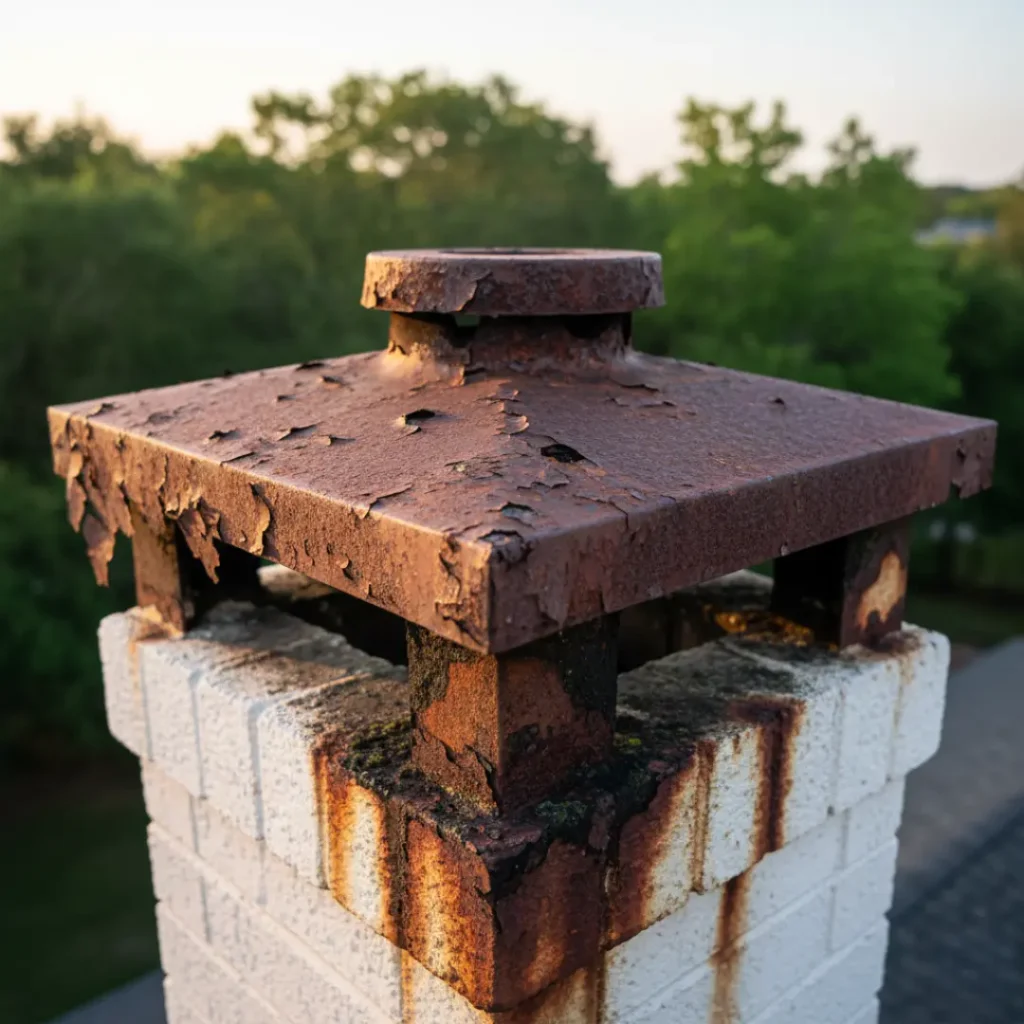
One of the most critical components protecting your chimney from this deluge is the flashing. This is the metal seal that connects the chimney to the roofline. If your flashing is rusted, lifted, or was installed incorrectly, water will pour into your attic and walls. We often find that homeowners delay fixing a small ceiling stain, thinking it is a minor roof issue. In many cases, it is a chimney flashing failure.
By the time the water damage becomes visible in your living room, the internal rot may be extensive. Regular maintenance ensures that your chimney cap and flashing are watertight, ready to withstand the next big storm. Ignoring a known leak, no matter how small, is an invitation for expensive structural repairs later.
Thermal Shock: The Cycle of Heat and Cool
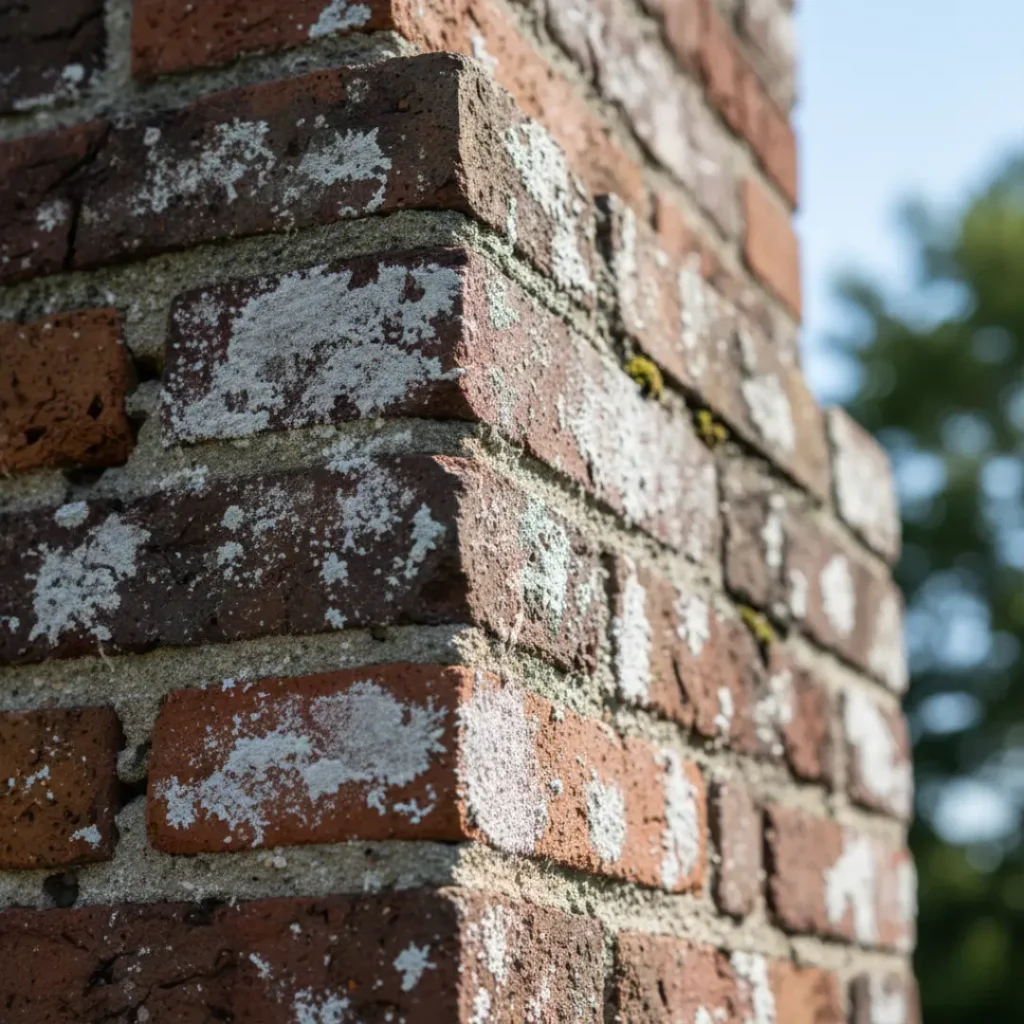
While we don’t have deep freezes often, the temperature fluctuations in Texas can still be extreme. Your chimney sits in the blazing sun all day, absorbing heat and expanding. Then, a sudden summer storm rolls in, rapidly cooling the exterior masonry. This process is known as thermal shock.
The rapid expansion and contraction can cause bricks to crack and flue tiles to fracture. If you have a clay tile liner, these hairline cracks might seem insignificant. However, they compromise the liner’s ability to contain the heat and toxic gases of a fire. If you wait to repair a cracked liner, the next time you light a fire during a rare winter freeze, you could be exposing your home’s combustible framing to intense heat, significantly increasing the risk of a house fire.
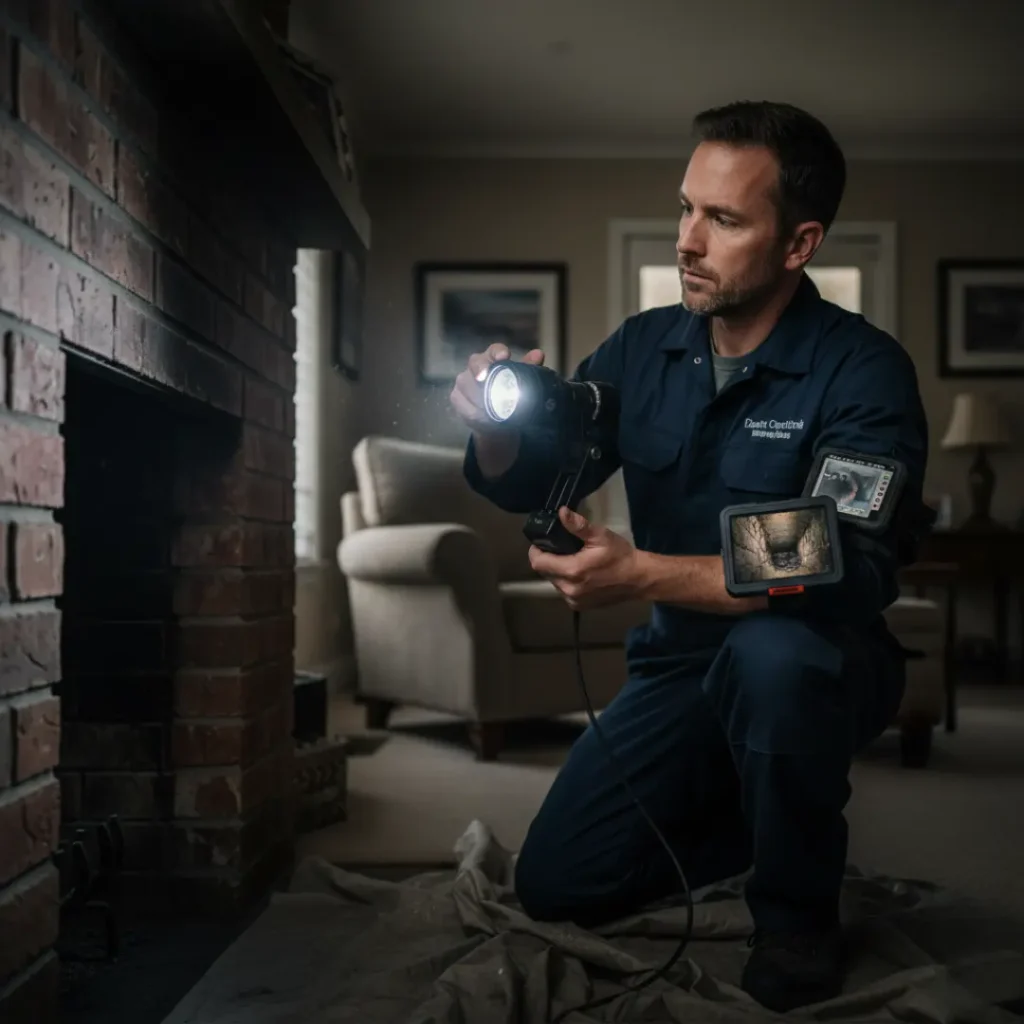
A certified chimney inspection is the only way to identify these thermal stress fractures before they become a hazard. Delaying this assessment means you are operating your fireplace blindly, unaware of the hidden dangers caused by the Texas sun.
The “Freeze-Thaw” Effect in Texas
It might seem contradictory to talk about freezing in Houston, but we all remember the deep freezes that have hit our state in recent years. These events are rare, but they are devastating to compromised chimneys.
This is where the “sponge” effect of the bricks becomes critical. If your chimney is saturated with water from humidity and rain, and then the temperature drops below freezing, that trapped water expands as it turns to ice. This expansion exerts tremendous pressure on the masonry from the inside out. This phenomenon, known as spalling, causes the faces of the bricks to pop off and crumble.
If you have delayed waterproofing or repairing minor cracks, a single freeze event can turn a cosmetic issue into a structural emergency. Once spalling begins, the deterioration accelerates rapidly. We often have to recommend a partial or full chimney replacement for chimneys that have suffered extensive spalling damage that could have been prevented with timely maintenance.
Pest Intrusion and Blockages
Our warm climate means that wildlife is active year-round. Birds, squirrels, raccoons, and even bees see your chimney as an ideal, protected hollow tree. If you have delayed repairing a damaged chimney cap or screen, you are essentially rolling out the welcome mat for these critters.
Nesting materials can completely block the flue. If you decide to light a fire on the first chilly night of the year without realizing there is a blockage, smoke and deadly carbon monoxide will back up into your living space. Furthermore, the acidic waste from animals can eat away at the flue liner and damper assembly.
Regular maintenance involves more than just masonry work; it includes ensuring that your system is proofed against animal entry. Waiting until you hear scratching noises in the wall often means the damage is already done and a removal and cleaning process is required.
The Economics of Early Repair
The most compelling reason not to delay is financial. Chimney problems never get better on their own; they only get worse and more expensive. A small crack in the chimney crown can be sealed for a modest cost. If left for a few years, that crack allows water to split the crown and invade the chimney shaft, potentially requiring a teardown and rebuild costing thousands of dollars.
Think of chimney maintenance like changing the oil in your car. It is a relatively small investment that prevents catastrophic engine failure. By addressing issues like cracked mortar, rusted dampers, or damaged caps immediately, you extend the lifespan of your chimney and maintain the value of your property.
Why Choose Texas Chimney LLC
Navigating these challenges requires a team that understands the local environment. At Texas Chimney LLC, we specialize in solutions tailored to Houston homes. We don’t just fix chimneys; we fortify them against the heat, humidity, and storms that define our region.
Our technicians are trained to spot the early warning signs of climate-related damage. We use high-quality, weather-resistant materials designed to withstand the Texas elements better than standard construction grade options. Whether it is applying a breathable water repellent to stop moisture absorption or installing a custom stainless steel cap to prevent rust, our goal is to provide long-term solutions, not quick fixes.
Conclusion
Your chimney is a vital part of your home’s ventilation system, even if it isn’t used every day. The Houston climate is relentless, constantly testing the durability of your home’s exterior. Humidity, thermal shock, and water intrusion are silent destroyers that work around the clock.
Do not wait for a pile of bricks on your patio or water dripping into your fireplace to take action. The “wait and see” approach is the most expensive strategy a homeowner can take with masonry. By staying proactive and addressing repairs immediately, you ensure that your fireplace remains a safe, cozy gathering place for your family, rather than a liability.
Protect Your Home Today
Is your chimney showing signs of wear, or has it been years since your last check-up? Don’t let the Texas weather dictate the lifespan of your home. Contact Texas Chimney LLC today to schedule a comprehensive evaluation. Our experts are ready to identify and fix vulnerabilities before they turn into costly disasters. Call us at (713) 322-5196 or visit our contact page to secure your appointment. Let us help you keep your home safe, dry, and structurally sound.