Blog

Close-up of a cracked and damaged brick chimney with visible moss growth.
Blog

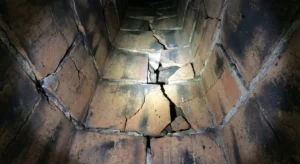
Why Chimney Relining Is Essential for Safety in Older Homes

For many homeowners in Texas, an older home carries a unique charm, architectural character, history, and often, a beautiful masonry fireplace. However, beneath the classic brickwork of an aging chimney often lies a hidden danger. In many homes built several decades ago, chimneys were either constructed without a liner or featured clay tile liners that

Read More »
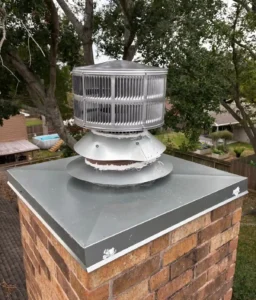
New stainless steel chase pan and chimney cap installed by Texas Chimney LLC on a brick chimney.
Blog

Why Every Chimney Needs a Proper Cap for Safety and Protection

In the diverse climate of Texas, where a week of scorching sun can be followed by a torrential downpour or a sudden freeze, the structural integrity of your home is constantly under siege. For homeowners with a fireplace, one of the most vital yet overlooked components of home maintenance is the chimney cap. While it

Read More »
A person in work gloves feeds a flexible camera cable into a chimney opening on a roof. A portable monitor next to them displays a clear, circular live-feed view of the dark interior of the chimney pipe.
Blog

Why Annual Chimney Inspections Prevent Dangerous Fire Hazards

For many homeowners in Texas, the fireplace is the heart of the home during the cooler months. It provides warmth, ambiance, and a sense of security. However, that security is often an illusion if the chimney system has been neglected. While a fireplace looks sturdy, it is a complex ventilation system that handles extreme heat,

Read More »
masonry decay looks like in the Houston humidity
Blog

Most Common Chimney Repairs in Houston Homes

The architectural charm of Houston homes is often defined by a classic brick chimney. However, our unique Gulf Coast climate presents specific challenges for masonry structures that differ significantly from other parts of the country. Between the intense humidity, shifting clay soils, and the occasional freeze-thaw cycle, Houston chimneys undergo significant stress throughout the year.

Read More »
Exterior view of a large brick chimney leaning away from a white house, creating a large jagged gap.
Blog

Hidden Dangers of Using a Chimney That Should Already Be Replaced

There is a comforting permanence to a brick chimney. It stands as the sturdy backbone of a home, promising warmth during those chilly Texas winter nights. However, this perception of durability can be a dangerous illusion. Like any structural component of a house, chimneys have a finite lifespan. When that lifespan expires, continuing to light

Read More »
Close-up of a cracked and damaged brick chimney with visible moss growth.
Blog

Why Chimney Replacement Is Critical When Structural Damage Appears

For many Texas homeowners, the chimney is a stoic, unchangeable feature of the home’s exterior. It stands tall against the skyline, often assumed to be as permanent as the foundation itself. However, masonry is not invincible. Time, weather, and settling can compromise the structural integrity of a chimney, turning a cozy hearth into a significant

Read More »
Two chimney repairmen working together to lay bricks on top of a chimney, using scaffolding for safety.
Blog

Why Proper Chimney Construction Determines Long-Term Home Safety

When most homeowners imagine a fireplace, they picture the cozy glow of the hearth, the crackle of burning wood, and the aesthetic appeal it adds to a living room. However, the most critical component of this system is the one that often receives the least attention: the chimney structure itself. While the fireplace is the

Read More »
Worker restoring a damaged chimney by laying bricks.
Blog

What Happens During a Professional Chimney Replacement

Deciding to replace a chimney is a significant commitment for any homeowner. It is not merely a cosmetic update but a crucial structural renovation that ensures the safety of your home and family. Whether your chimney has suffered severe storm damage from Houston’s unpredictable weather or has simply reached the end of its structural lifespan

Read More »