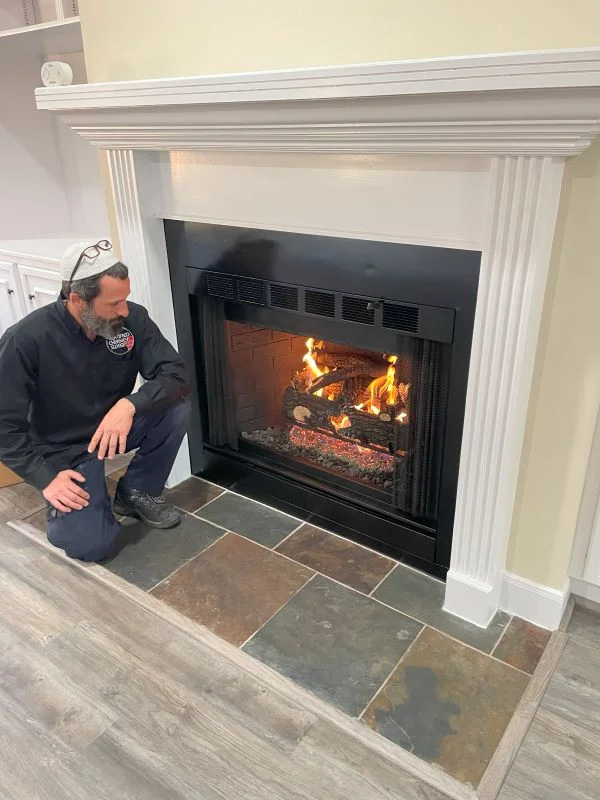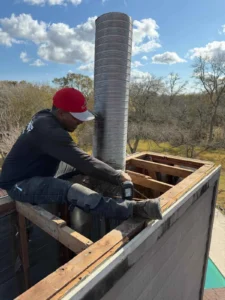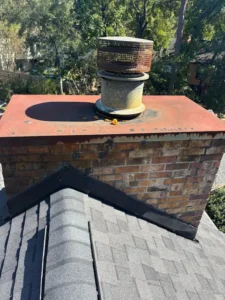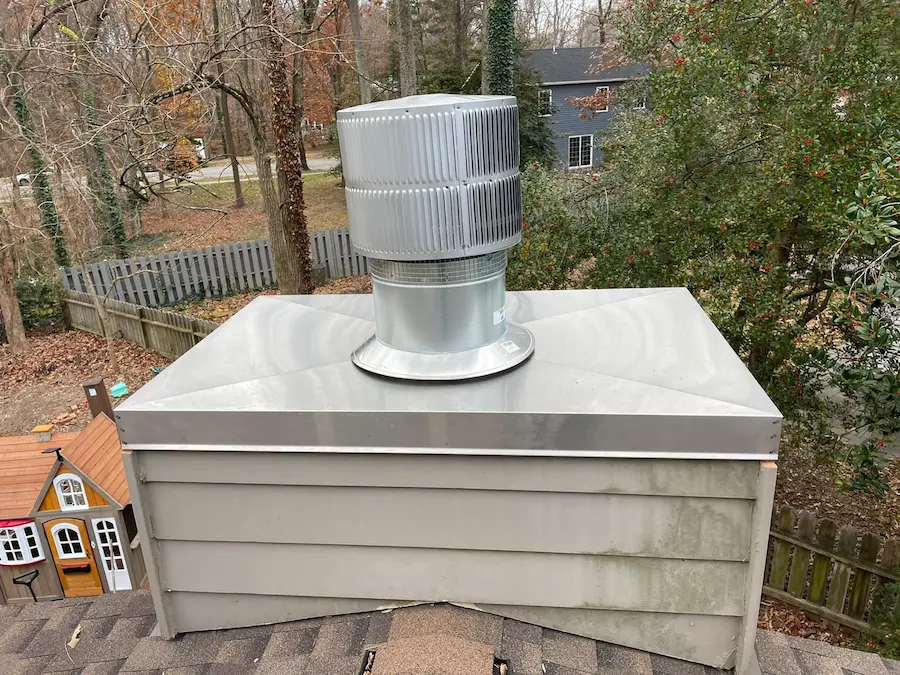
Chimneys are often viewed as nostalgic architectural features, a source of warmth and a pedestal for holiday décor. However, for homeowners in Texas, the chimney is a critical ventilation component that dictates the health and safety of the indoor environment. Over time, masonry degrades, liners crack, and internal systems become inefficient. Upgrading to a new, modern chimney system is not merely an aesthetic choice; it is a vital investment in structural integrity and respiratory health. By understanding the intersection of venting technology and air science, homeowners can better appreciate how a new chimney serves as a primary line of defense against household hazards.
The Structural Link Between Chimney Integrity and Fire Prevention
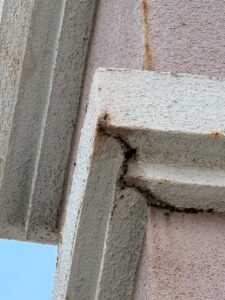
The most immediate benefit of a new chimney is the mitigation of fire risks. Older chimneys often suffer from “spalling” or mortar deterioration, which allows heat to transfer from the flue to the combustible wooden framing of your home. A modern chimney installation utilizes advanced masonry techniques and high-heat-resistant materials that meet current International Residential Code (IRC) standards. These updates ensure that the intense thermal energy produced by a fireplace is contained and directed upward, rather than seeping through cracks in the chimney breast.
Furthermore, new chimneys are designed to minimize the rapid accumulation of creosote, a highly flammable byproduct of wood combustion. While routine cleaning is essential, older, rough-surfaced flues provide more surface area for creosote to latch onto. New, smooth-walled chimney systems facilitate better airflow, reducing the rate at which these dangerous deposits form. According to the Federal Emergency Management Agency (FEMA), heating equipment is one of the leading causes of home fires in the United States, making a structurally sound chimney a cornerstone of residential safety.
Enhancing Indoor Air Quality Through Proper Draft Mechanics
Indoor air quality (IAQ) is often significantly lower than outdoor air quality due to trapped pollutants. An outdated or damaged chimney contributes to this problem via “backdrafting.” This occurs when smoke and combustion gases, including carbon monoxide (CO), are not efficiently pulled out of the home and instead spill back into the living space. A new chimney is engineered with precise height-to-opening ratios to ensure a strong, consistent “stack effect,” which is the natural buoyancy of hot air that pulls toxins out of your home.
Modern chimney builds also incorporate superior flue liners, often made of high-grade stainless steel or specialized cast-in-place materials. These liners provide a seamless exit route for gases. In older homes, clay liners may have shifted or cracked, allowing microscopic particulate matter (PM2.5) to permeate through the walls and into the air your family breathes. By upgrading the system, you ensure that 100% of the combustion byproducts are exhausted safely outdoors, protecting occupants from respiratory irritants and long-term health complications.
The Silent Threat: Carbon Monoxide and Modern Flue Technology
Carbon monoxide is a colorless, odorless gas that can be fatal in high concentrations. While CO detectors are a mandatory safety feature, a properly functioning chimney is your primary preventative measure. Older chimneys are prone to internal collapses or blockages from debris and nesting animals, which can obstruct the flue without any visible signs from the exterior. A new chimney installation includes modern caps and screening that prevent these blockages while ensuring the flue diameter is perfectly matched to the fireplace’s BTU output.
When a chimney is incorrectly sized or structurally compromised, the combustion process is often incomplete. This incomplete combustion increases the production of carbon monoxide. Expertly designed chimney systems by professionals like Texas Chimney LLC ensure that the oxygen-to-fuel ratio is optimized, promoting cleaner burns. This technical precision is essential for maintaining a toxic-free environment, as even low-level exposure to CO over long periods can lead to chronic headaches, fatigue, and dizziness.
Moisture Protection and Preventing Mold Growth
In the humid Texas climate, moisture is the enemy of any masonry structure. An old chimney with a cracked crown or missing flashing acts as a funnel, directing rainwater into the interior walls of the home. This moisture doesn’t just damage the brickwork; it creates a breeding ground for mold and mildew behind drywall and inside the chimney cavity itself. Mold spores are a major contributor to poor indoor air quality and can trigger severe allergic reactions or asthma attacks.
A new chimney build incorporates modern waterproofing technologies, such as high-quality chimney crowns, professional-grade flashing, and vapor-permeable sealants. These components work together to keep the system dry. By preventing water intrusion, you are effectively “building out” the conditions necessary for mold to thrive. Keeping the chimney dry also preserves the structural “shoulders” of the unit, preventing the chimney from leaning or collapsing, which poses a significant physical danger to anyone on the property.
Increasing Energy Efficiency and Environmental Impact
While safety is the priority, the efficiency of a new chimney cannot be overlooked. Older chimneys are notorious for being “energy sinks,” allowing conditioned air from your HVAC system to escape during the summer and freezing air to enter during the winter. New chimney systems often feature top-sealing dampers. Unlike traditional throat dampers that leak air even when closed, top-sealing dampers act like a storm door for your flue, creating an airtight seal that stabilizes indoor temperatures.
From an environmental perspective, a well-designed chimney promotes more efficient wood burning. This means you use less fuel to achieve the same amount of heat, and the smoke emitted is cleaner. Educational resources from institutions like the University of Missouri Extension highlight that efficient wood heating depends heavily on the venting system’s ability to maintain high internal temperatures. A new chimney provides the insulation necessary to keep the flue hot, which results in a more complete burn and fewer atmospheric pollutants.
Professional Inspection and Long-Term Maintenance
Investing in a new chimney is a significant step, but its performance is contingent upon professional installation and subsequent care. Modern chimney systems are designed to be more “serviceable,” meaning they are easier for technicians to inspect and sweep. This ensures that any minor issues can be caught before they become safety hazards. When a chimney is built to modern standards, it facilitates easier access for video inspections, allowing for a level of transparency and safety verification that simply isn’t possible with ancient masonry.
A chimney is one of the most complex components of a home’s infrastructure. It must withstand extreme temperature fluctuations, chemical erosion from soot, and the buffeting of the elements. Entrusting your chimney replacement to specialized experts ensures that every transition, from the firebox to the smoke chamber to the flue, is aerodynamically sound and fire-safe. This professional oversight is the final piece of the puzzle in creating a home environment that is both warm and healthy.
Protect Your Home and Health Today
If your chimney is showing signs of age, such as crumbling mortar, white staining (efflorescence), or a persistent smoky smell in the house, do not wait for a crisis to act. At Texas Chimney LLC, we specialize in comprehensive chimney rebuilds and restorations that prioritize your family’s safety and the air you breathe. Our expert team understands the unique challenges of Texas homes and provides precision-engineered solutions that eliminate fire hazards and improve ventilation efficiency. Contact us today to schedule a professional consultation and take the first step toward a safer, cleaner, and more efficient home environment.