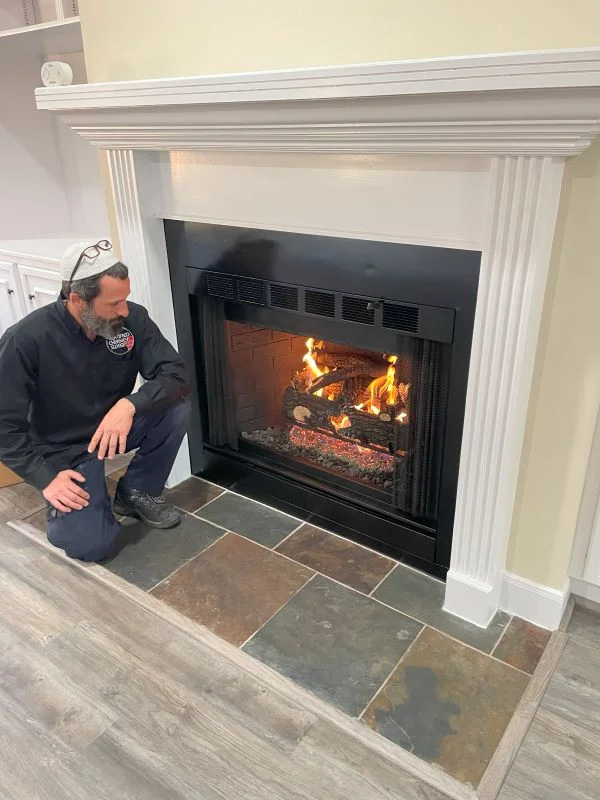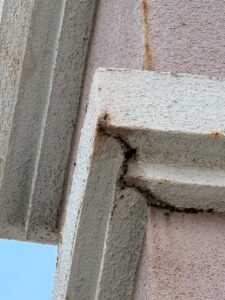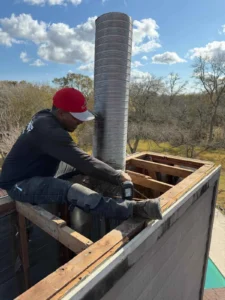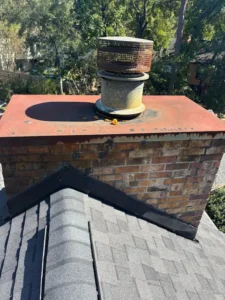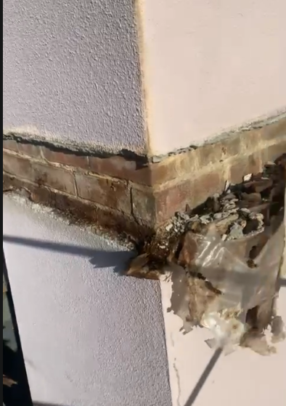
Houston’s unique combination of swamp-like humidity and sudden flash floods creates a hostile environment for masonry. If your chimney wasn’t built with precision, these environmental stressors accelerate structural decay, turning a cozy hearth into a major liability. Poor construction often hides behind the drywall, manifesting only when a chimney sweep Houston TX expert identifies a breach. At Texas Chimney LLC, we’ve found that improper drafting and substandard flashing are the leading causes of home damage in the Greater Houston area. Our team leverages Texas National Chimney Sweep & Repair Association standards to ensure every flue we inspect or repair meets the highest safety benchmarks.
Tip 1: Prioritize Flue Liner Integrity to Prevent Carbon Monoxide Seepage
A poorly constructed flue liner is a silent threat that allows toxic gases to escape into your living space. In our experience, many older homes in the Heights were built with clay liners that lack the thermal expansion joints necessary for modern high-heat usage. We utilize CSIA-certified professionals to verify that your liner is airtight and capable of venting dangerous combustion byproducts safely away from your family. Without a seamless interior, your home is at risk.
When builders take shortcuts during the initial installation, they often use substandard mortar that degrades under the acidic conditions of wood smoke. This degradation creates tiny fissures. In the humid air typical of the Greater Houston area, these cracks become entry points for moisture, leading to a cycle of internal erosion. If you are searching for a wood fireplace repair near me, it is often because these structural gaps have finally compromised the fireplace’s ability to draw air correctly. We don’t just patch these holes; we evaluate the entire venting system to ensure it meets current NFPA 211 safety standards.
Tip 2: Understand How Porous Masonry Invites Interior Water Damage
Poor masonry construction often involves using “soft” bricks or inadequate waterproofing, which acts like a sponge during Southeast Texas thunderstorms. Our team frequently sees homes near Rice University where water has migrated through the chimney breast, rotting the surrounding structural timber. We solve this by applying professional-grade vapor-permeable sealants that allow the brick to “breathe” while repelling liquid water. This is essential for maintaining flue liner integrity.
Bricks are naturally porous, but the quality of the masonry matters immensely. Cheap builder-grade materials used in rapid-expansion suburbs like Katy often fail within a decade. When water enters these bricks, it carries dissolved salts that manifest as white staining, known as efflorescence. Beyond the eyesore, this indicates that the very structure of your chimney is dissolving. In our professional opinion, addressing this early prevents the need for a total chimney construction overhaul. We recommend a thorough evaluation of Houston’s climate impacts on your specific masonry type to avoid catastrophic leaks.
Tip 3: Correct Improper Clearance to Combustibles to Lower Fire Risk
Modern building codes require a specific air gap between the masonry chimney and the wooden framing of your house. Many Greater Houston area contractors historically ignored these “clearance to combustible” rules, placing 2×4 studs directly against the hot chimney walls. This creates a phenomenon called pyrolysis, where wood slowly dries out and eventually ignites at much lower temperatures than normal. We use thermal imaging during our chimney sweep Houston TX visits to find these hidden hotspots.
This risk is particularly high in mid-century homes in Sugar Land, where renovations may have added new walls or insulation too close to the flue. If your fireplace feels unusually hot to the touch on the exterior wall, it is a red flag. Our technicians are trained to identify these construction flaws that a general home inspector might miss. We prioritize CSIA-certified professionals because they understand the physics of heat transfer through various types of stone and brick. Ensuring proper clearance is not just a suggestion; it is a life-saving necessity in older Texas properties.
Tip 4: Insist on Professional Flashing Installation for Roofline Protection
The intersection where your chimney meets the roof is the most vulnerable point for leaks in any Houston home. Poorly constructed flashing—often using just a single layer of caulk or thin aluminum—will fail during the high winds of hurricane season. We install custom-fabricated “counter-flashing” that is ground into the mortar joints, providing a permanent, mechanical seal that keeps the interior of your The Woodlands home dry even in a downpour.
Most roofers treat chimney flashing as a secondary concern, often using “goop” or tar that cracks under the intense Texas sun. Our approach involves a multi-step process: a base flashing, a step flashing for every shingle layer, and a robust counter-flashing. This creates a redundant system that handles the natural shifting of your home’s foundation. For residents near Buffalo Bayou, where soil movement is common, this flexibility is crucial. If you’ve noticed water stains on the ceiling near your hearth, the Houston chimney inspection cost is a small price to pay compared to replacing rotted roof decking and moldy insulation.
| Service Component | Texas Chimney LLC Standard | Typical Competitor |
|---|---|---|
| Inspection Depth | ✅ Full 3rd-party certified structural analysis | ❌ Basic visual “walk-around” |
| Repair Process | ✅ Detailed breakdown with photo evidence | ❌ Vague estimates with hidden fees |
| Specialized Services | ✅ Expert gas fireplace cleaning Houston | ❌ Only handles basic wood chimneys |
Tip 5: Combat Creosote Glaze Caused by Improper Firebox Dimensions
If a firebox is built too deep or the throat is too narrow, smoke cannot exhaust quickly, leading to heavy creosote removal Houston needs. This sticky, tar-like substance is highly flammable and is the primary fuel for chimney fires. We analyze the “ratio of opening to flue” to ensure your fireplace drafts perfectly, keeping your living room smoke-free and your flue safe. Our CSIA-certified professionals specialize in correcting these architectural errors.
In neighborhoods like Pearland, we often find fireplaces that were built for aesthetics rather than physics. A fireplace that “smokes back” into the room isn’t just an annoyance; it’s a sign that the combustion air is cooling too fast. This cooling causes the smoke to liquefy and bake onto your liner as Stage 3 creosote. This glaze cannot be removed with a standard brush; it requires specialized chemical treatments and rotary tools. We highly recommend a certified chimney inspection to determine if your firebox dimensions are contributing to dangerous buildup before your next winter fire.
Tip 6: Fix Damper Alignment to Prevent Energy Loss and Pest Entry
A poorly installed or misaligned damper fails to create a tight seal, allowing your expensive Houston air conditioning to escape up the chimney. We’ve seen dampers in League City homes that were installed backward or with gaps that let in humidity and Houston’s notorious “tree roaches.” We replace these failing throat dampers with top-sealing units that act like a storm window for your chimney, providing a 100% airtight seal.
The damper is your chimney’s primary defense against the elements when it’s not in use. In our experience, builders often use cheap cast-iron dampers that rust shut due to our humid Southeast Texas air. When a damper doesn’t open fully, it restricts airflow, causing smoke to spill into your home. When it doesn’t close fully, it creates a “stack effect” that pulls cold air in and pushes warm air out. This isn’t just a comfort issue; it’s a structural one. Constant moisture entering a gas fireplace cleaning Houston site through a leaky damper can corrode the burner pan and pilot assembly.
Tip 7: Ensure Proper Foundation Support to Stop Chimney Leaning
Chimneys are the heaviest part of a home, and if they aren’t built on a dedicated, reinforced concrete footing, they will begin to pull away from the house. In Houston, our expansive clay soils shrink and swell, which can cause a poorly supported chimney to lean dangerously. Our team monitors these structural shifts, providing wood fireplace repair near me that addresses the root cause: the ground beneath the brick. We work with CSIA-certified professionals to ensure your masonry is plumb and secure.
You might notice a gap forming between the chimney and the siding near the roofline of your Memorial Park area home. This is often the first sign of foundation failure. Do not simply caulk this gap; it is a structural warning. A leaning chimney can crack the flue liner, create massive gaps in the flashing, and eventually collapse. We have seen cases where the weight of a leaning chimney actually damaged the home’s primary foundation. Before the next “North Easter” or tropical storm, ensure your chimney is properly tied into the home’s structure as per Texas National Chimney Sweep & Repair Association guidelines. For further reading, check our storm season readiness guide.
The Bottom Line for Houston Homeowners
- Poor construction is often invisible; only a Houston chimney inspection can reveal hidden fire risks behind the masonry.
- Moisture is the enemy in Southeast Texas; improper flashing and porous bricks lead to mold and rot.
- Safety starts with the liner; ensuring flue liner integrity is the most critical step in preventing carbon monoxide poisoning.
- Don’t ignore the signs; leaning bricks, white stains, or water spots on the ceiling are urgent calls for repair.
At Texas Chimney LLC, we bring 14+ years of expertise to every job, from the historic manors of River Oaks to the modern townhomes in Midtown. We are proud members of the Texas National Chimney Sweep & Repair Association, ensuring that our methods are as durable as they are safe. Whether you need a standard creosote removal Houston service or a complex masonry restoration, our team is ready to help. Contact us today for a transparent estimate and guaranteed satisfaction.
Frequently Asked Questions
How do I know if my chimney was built correctly in my Houston home?
The only definitive way to verify construction quality is through a professional chimney sweep Houston TX inspection. Our CSIA-certified professionals use internal cameras to check for missing mortar and flue gaps. We look for specific Texas National Chimney Sweep & Repair Association compliance markers that general inspectors often overlook.
What is the average Houston chimney inspection cost for a standard fireplace?
A standard Level 1 inspection typically ranges from $150 to $300 and takes about 60-90 minutes. If structural issues or leaks are found, a Level 2 camera inspection may be required to document damage for insurance.
Are your Houston chimney sweeps certified to perform structural repairs?
Yes, we are CSIA-certified and active members of the Texas National Chimney Sweep & Repair Association. This means we have the technical training to handle everything from simple cleanings to complex masonry reconstructions. We have served the local community for over 14 years with verified expertise.
Do you provide chimney services in Katy and Sugar Land as well as Houston?
Absolutely. We cover the entire Greater Houston area, including Katy, Sugar Land, and The Woodlands. Whether you are near the Galleria or out in Pearland, our mobile teams can be at your door quickly.