The architectural charm of Houston homes is often defined by a classic brick chimney. However, our unique Gulf Coast climate presents specific challenges for masonry structures that differ significantly from other parts of the country. Between the intense humidity, shifting clay soils, and the occasional freeze-thaw cycle, Houston chimneys undergo significant stress throughout the year.
At Texas Chimney LLC, we have spent over 14 years inspecting and maintaining local hearths. We understand that a chimney is not just an aesthetic feature but a complex ventilation system that requires precise maintenance to keep your family safe. Understanding the most common chimney repairs in Houston can help you identify issues before they lead to costly structural damage or fire hazards.
Addressing Spalling Bricks and Masonry Decay
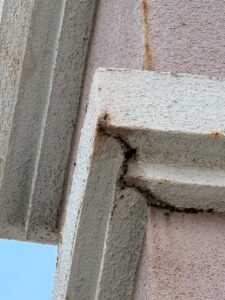
One of the most frequent issues we encounter in Southeast Texas is spalling. Spalling occurs when moisture penetrates the porous surface of a brick, causing it to peel, pop out, or crumble. In Houston, the high moisture content in the air and heavy seasonal rains saturate the masonry. When the temperature fluctuates, this trapped water creates internal pressure that breaks the brick’s face.
Ignoring spalling bricks can lead to a total collapse of the chimney stack over time. Repairing this usually involves “tuckpointing,” a process where our certified technicians remove the damaged mortar and replace it with fresh, color-matched mortar. This not only restores the structural integrity of your home but also prevents further water intrusion into your attic and walls.
The Vital Role of the Chimney Cap and Crown
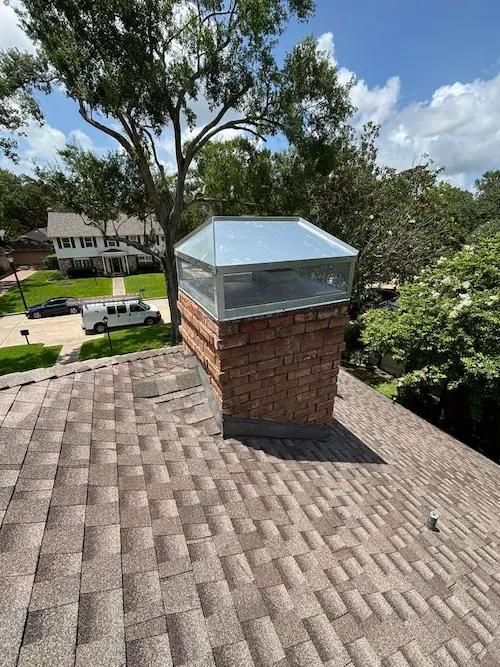
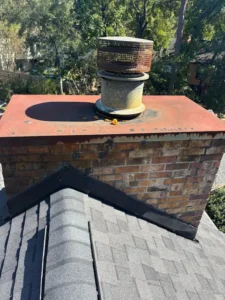
The chimney crown is the concrete slab at the very top of your chimney, while the cap is the metal covering over the flue. These are your chimney’s first line of defense against the elements. Unfortunately, many Houston homes were built with crowns made of thin mortar rather than high-quality masonry mix. Over time, these crowns develop cracks due to the intense Texas sun and the expansion of the chimney structure.
A cracked crown allows water to seep directly into the chimney’s interior, leading to rusted dampers and rotted framing. Replacing or repairing a chimney cap is equally vital; a missing cap allows rain, debris, and local wildlife, like chimney swifts or squirrels, to enter your home. According to the Federal Emergency Management Agency (FEMA), maintaining a clear and capped ventilation system is a primary step in preventing house fires and ensuring proper indoor air quality.
Fixing Chimney Flashing and Roof Leaks
A significant portion of “roof leaks” reported by Houston homeowners are actually chimney leaks. The flashing is the metal strip that seals the transition between your chimney and your roofline. Because Houston is known for its expansive clay soil, houses here tend to shift and settle frequently. This movement can pull the flashing away from the masonry, breaking the waterproof seal.
When the flashing fails, water travels down the chimney’s exterior and into your ceiling or insulation. If you notice brown water stains on the ceiling near your fireplace, it is imperative to schedule a professional chimney inspection immediately. Resealing or replacing the flashing with high-quality galvanized steel or copper can prevent thousands of dollars in mold remediation and drywall repair.
Chimney Liner Damage and Relining
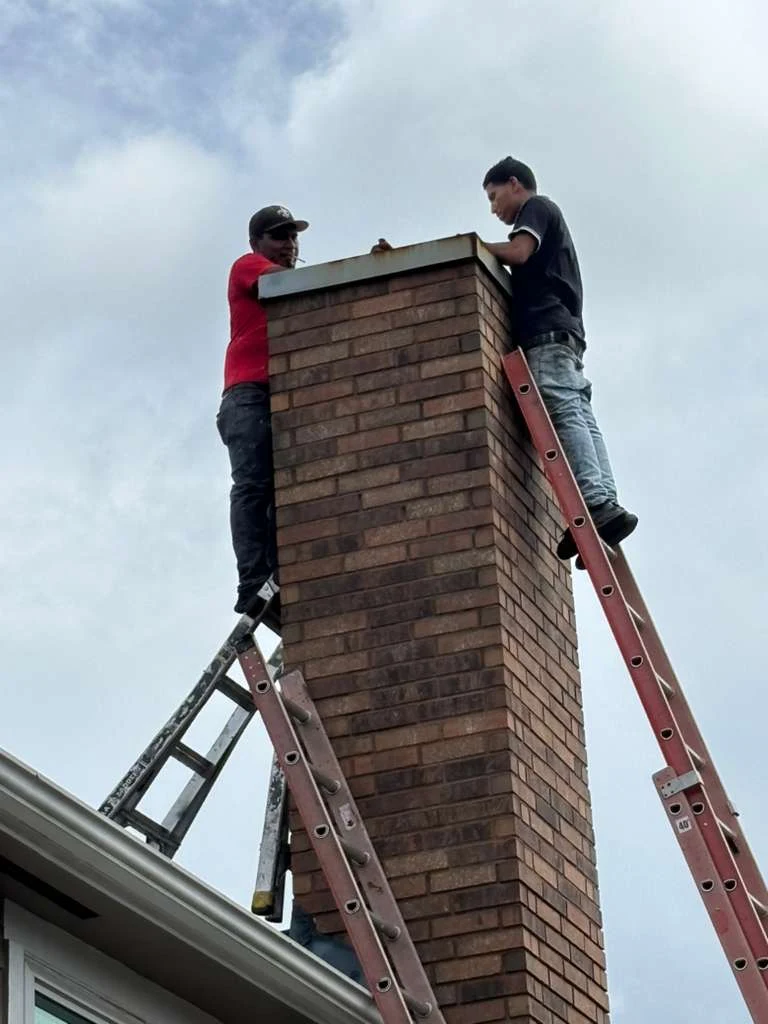
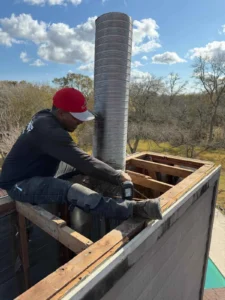
The chimney liner (or flue) is designed to protect the walls of your chimney from the intense heat and corrosive byproducts of combustion. In many older Houston neighborhoods, these liners are made of clay tiles. Over time, the acidic condensation from gas fireplaces or the heat from wood-burning fires can cause these tiles to crack or the mortar joints between them to fall out.
A damaged liner is a major safety risk. It can allow carbon monoxide to leak into your living spaces or heat to transfer to combustible wooden beams inside your walls. The U.S. Consumer Product Safety Commission (CPSC) warns that undetected flue damage is a leading cause of carbon monoxide poisoning. Modern solutions often involve chimney relining with stainless steel, which provides a lifetime of protection and improves the efficiency of your fireplace.
Creosote Buildup and Professional Cleaning
While Houstonians may only use their fireplaces for a few months out of the year, that limited use can actually lead to higher risks if the wood is not burned properly. Creosote is a highly flammable, tar-like substance that builds up inside the flue. Even a thin layer of creosote can ignite, causing a chimney fire that can quickly spread to the rest of the home.
Because our winters are mild, many homeowners tend to “smolder” fires rather than burning them hot, which accelerates creosote accumulation. The Chimney Safety Institute of America (CSIA) recommends an annual inspection and cleaning to ensure that your fireplace is clear of soot and flammable deposits. This is a standard maintenance repair that ensures your home is ready for the first cold snap of the season.
Firebox and Hearth Restoration
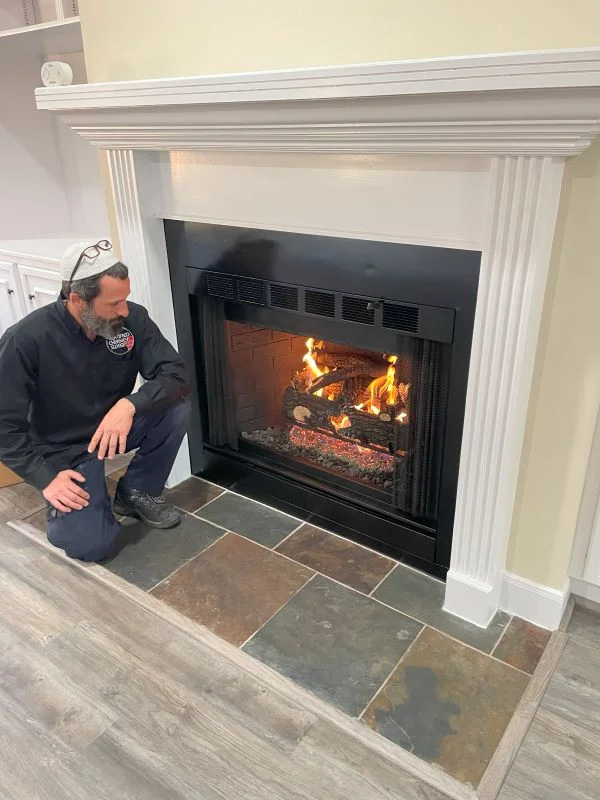
The firebox is the area where you actually build the fire. It is lined with “firebricks” designed to withstand temperatures exceeding 2,000 degrees Fahrenheit. However, the mortar used in these boxes can degrade over time, leaving gaps that expose the outer masonry to dangerous heat.
If you see cracks in the back of your fireplace or loose bricks on the floor of the hearth, it is time for a repair. Often, we can perform a “firebox rebuild” or use specialized refractory mortar to seal these gaps. Keeping the firebox in top condition is essential for both the safety of your home and the efficiency of the heat being radiated into your room.
Ensure Your Home’s Safety with Texas Chimney LLC
Don’t wait for a leak or a fire hazard to address the health of your chimney system. Whether you are dealing with crumbling masonry, a rusted damper, or simply need a routine safety check, at Texas Chimney LLC, we offer expertise and CSIA-certified professionalism required to protect your Houston home. Our team provides transparent assessments and high-quality craftsmanship to ensure your fireplace remains a safe and beautiful centerpiece for your family.
Contact us today or call at (713) 322-5196 to schedule your professional inspection and keep your hearth burning safely all year long.