For many homeowners in the Houston area, the chimney is a sturdy, stoic feature of the home that seems built to last forever. Because it is made of brick or stone, it is easy to assume that it can withstand decades of weather without much attention. However, this “set it and forget it” mentality is often the root cause of expensive structural failures. Chimney damage rarely happens overnight. Instead, it is a slow, progressive process where small issues compound into major hazards.
The danger lies in the subtlety of the early symptoms. A hairline crack or a bit of white powder on the brick might seem cosmetic, but they are often the first whispers of a much larger problem. Ignoring these signs allows water, the persistent enemy of masonry, to infiltrate the system, rotting it from the inside out. At Texas Chimney LLC, we want to help you read these warning signs before they turn into emergency repairs. Understanding the progression of damage is the key to protecting your home and wallet.
1. Efflorescence: The White Staining Warning
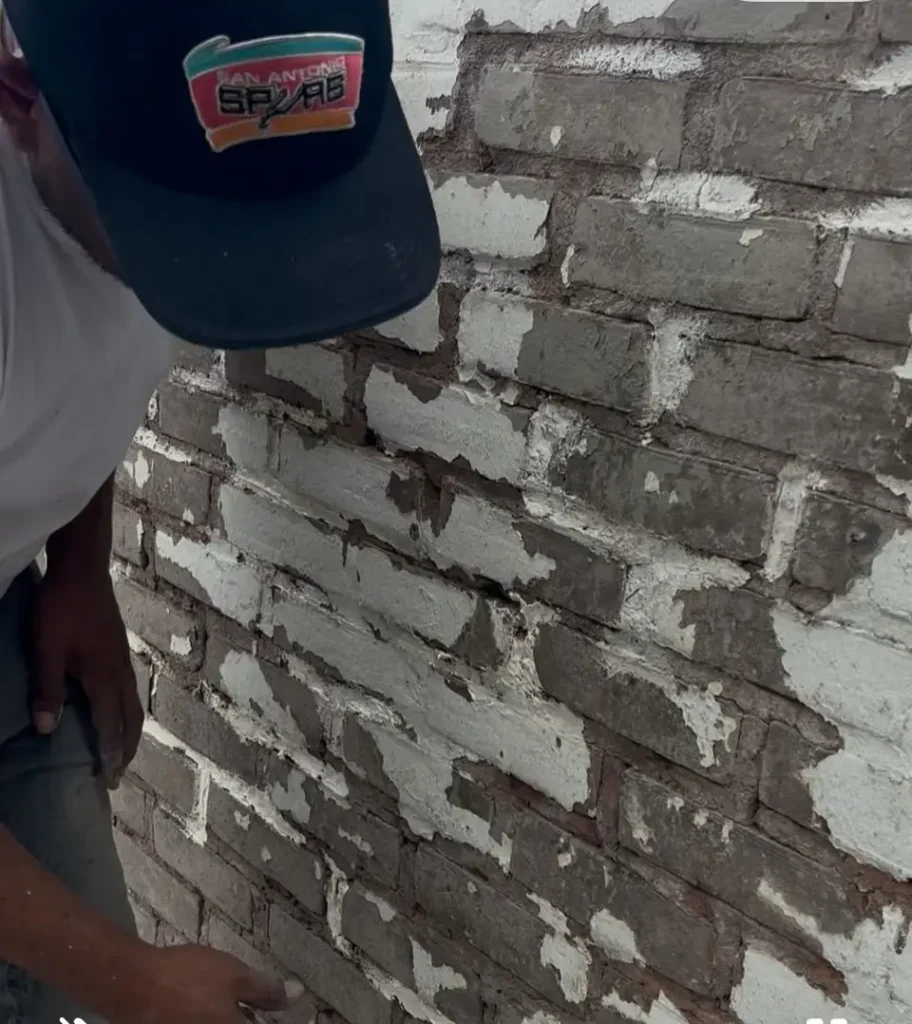
Have you noticed a white, chalky substance appearing on the exterior bricks of your chimney? This is called efflorescence. It is not mold, and it is not just a stain. It is a deposit of crystalline salts that remains after water has passed through the porous masonry and evaporated on the surface.
While the white powder itself is harmless, its presence tells a worrying story. It means that your chimney is absorbing a significant amount of moisture and that this water is traveling all the way through the brick structure. In the humid climate of Texas, this suggests that your waterproofing has failed. If left unaddressed, this moisture migration will eventually wash out the binding agents in the brick, leading to crumbling. Catching this early allows for a simple waterproofing solution, whereas waiting leads to the need for extensive masonry repair.
2. Deteriorating Mortar Joints
Take a close look at the mortar between your bricks. It should be solid and hard. However, if you see gaps, holes, or cracks, the structural integrity of the chimney is being compromised. A simple test you can do safely from the ground or a ladder is to run a key or a screwdriver gently across the mortar joint. If it turns to dust or crumbles out, the mortar has lost its bond.
Mortar is the glue that holds the chimney stack together. When it begins to fail, the bricks become loose. This allows even more water to enter the gaps, accelerating the destruction. In severe cases, we see chimneys that begin to sway or lean because the mortar can no longer support the weight of the structure. Repointing (removing old mortar and adding new) is a highly effective maintenance step, but only if done before the bricks themselves start to shift.
3. Spalling: When Bricks Break
Spalling is one of the most aggressive signs of chimney decay. This occurs when moisture trapped inside the brick expands, either due to thermal expansion in the summer or freezing in the winter, and forces the face of the brick to pop off. If you find bits of red clay or brick fragments on the ground around the base of your chimney, your system is spalling.
Once the hard outer shell of the brick is gone, the soft, porous interior is exposed to the elements. This speeds up the rate of deterioration exponentially. A spalling chimney is a chimney that is slowly disintegrating. Immediate repair is necessary to replace the damaged units and seal the system before the entire wall collapses.
4. Rust on the Damper or Firebox
Water does not just damage the outside; it wreaks havoc on the inside too. If you look into your fireplace and see rust on the damper (the metal plate that closes the flue) or rust streaks running down the back of the firebox, you have a leak.
Rust is “metal cancer.” It eats away at the damper, eventually causing it to seize up or fail completely. If the damper cannot close properly, you are losing expensive air conditioning up the flue all summer. More importantly, this rust indicates that water is bypassing your chimney cap or crown and pooling on the smoke shelf. This moisture can mix with creosote to form acidic compounds that eat through the flue liner. If you spot rust, scheduling a chimney inspection is crucial to identify the entry point of the water.
5. Cracked Chimney Crown
The chimney crown is the concrete slab that sits at the very top of the stack, acting as a roof for your chimney. It is the first line of defense against rain. Because it is constantly exposed to the sun and rain, it is prone to cracking over time.
You likely cannot see the crown from the ground, which is why this damage often goes unnoticed until it is too late. Small hairline cracks fill with water, which then seeps into the chimney below. Over time, these cracks widen, eventually causing chunks of the crown to break off. If the crown fails, water pours directly into the brickwork and the flue liner. During our inspections, checking the crown is a top priority because a sealed crown is essential for a dry chimney.
6. Shiplap or Wallpaper Damage
Sometimes the signs of chimney failure manifest inside your living areas. If you notice wallpaper peeling, paint bubbling, or water stains on the walls or ceiling near the chimney, the internal structure is likely saturated.
This is a sign that the flashing (the metal seal between the roof and chimney) or the masonry itself is letting water pass through to the home’s framing. This is a critical stage of damage. By the time water is visible on your drywall, it has likely already rotted wood framing or insulation in the attic. This is no longer just a chimney issue; it is a threat to the structural wood of your house. Fast action is required to stop the leak at the source.
7. Unpleasant Odors
Your nose can often detect damage before your eyes do. A healthy chimney should draft odors up and out. However, if you smell a strong, musty, damp odor coming from the fireplace, especially after it rains, it indicates moisture accumulation inside the flue.
This smell is often caused by water mixing with old soot and creosote. It creates a dank environment where mold can grow. Beyond being unpleasant, it is a clear signal that the chimney is not shedding water as it should. If the smell is acrid or smoky when a fire is not lit, it could also indicate a blockage or a significant draft issue related to the flue liner’s integrity.
Why Speed Matters
The common thread among all these signs is that they get worse with time. A small crack becomes a gaping hole. A little rust becomes a destroyed damper. A few loose bricks become a leaning stack. In the construction world, we often say that water is patient, but it always wins if you give it enough time.
Delaying chimney repair turns a few hundred dollars of maintenance into thousands of dollars of reconstruction. It also increases the risk of safety hazards like chimney fires or carbon monoxide leaks. The most cost-effective way to manage a chimney is to attack these signs the moment they appear.
Stop the Damage in Its Tracks
If you have recognized any of these warning signs on your property, do not wait for the next storm to test your luck. The experts at Texas Chimney LLC are ready to assess the damage and provide lasting solutions. We can stop the progression of decay and restore your chimney to peak condition. Contact us today to schedule your evaluation. Let us help you protect your home before the damage goes too far.