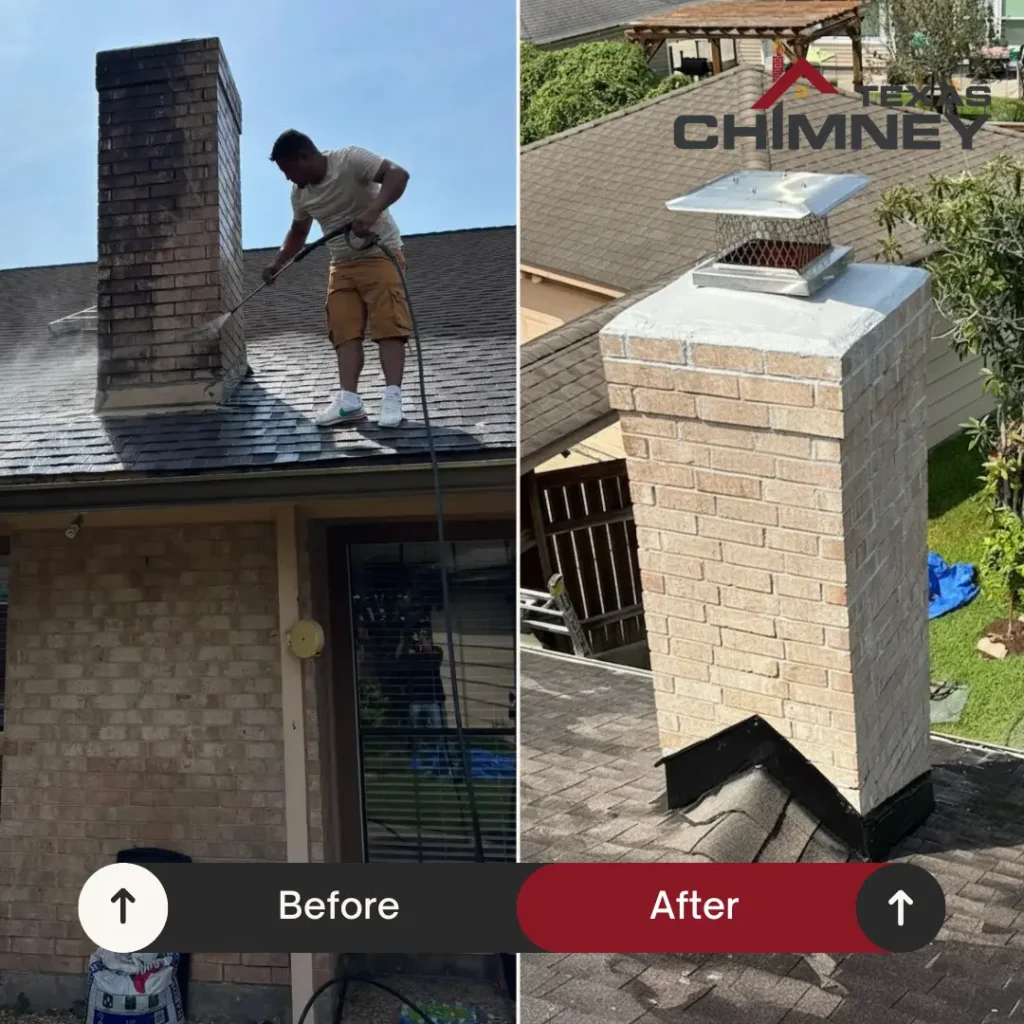
When you think about home maintenance, your chimney might not be the first thing that comes to mind. It’s a solid, sturdy structure that seems like it could last forever without much help. And even if you do think about your chimney, you are probably thinking about the bricks or the fireplace inside. It is highly unlikely you are thinking about the small, metal cover sitting on the very top.
That small cover is the chimney cap, and it is, without a doubt, the single most important and cost-effective safeguard for your entire chimney system.
It is a humble component, but its job is massive. It is the first and only line of defense against a wide array of threats, from weather to wildlife. Unfortunately, it is also the most ignored. Homeowners often forget it exists until it fails, and by then, they are often facing thousands of dollars in damages.
Proper chimney cap maintenance is not just a good idea; it is essential preventative care that protects your chimney’s structure, your home’s interior, and your family’s safety.
What Is a Chimney Cap?
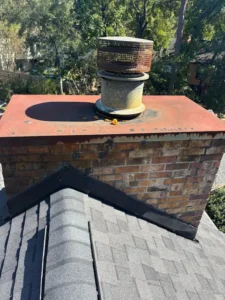
A chimney cap is a protective cover installed at the very top of your chimney flue. Think of it as the roof of your chimney. It is typically made of metal, most commonly stainless steel, copper, or galvanized steel. Its design includes a solid top, a mesh or screen siding, and a base that attaches securely to the chimney’s crown or flue pipe.
Its design is simple, but its functions are critical. A properly installed, well-maintained cap is designed to do three specific jobs 24/7.
- Keep Water Out: The solid top prevents rain, snow, and ice from pouring directly down your chimney flue.
- Keep Animals & Debris Out: The mesh siding acts as a sturdy barrier, stopping birds, raccoons, squirrels, and debris from getting inside.
- Act as a Spark Arrestor: The same mesh siding helps to contain sparks and hot embers, preventing them from landing on your roof or in nearby dry brush.
The Dangers of a Missing or Damaged Cap
When a chimney cap is missing, damaged, or improperly installed, it leaves your chimney completely exposed. The resulting problems are not minor; they can be catastrophic, costly, and dangerous.
1. Devastating Water Damage
This is the most common and most destructive consequence. An uncapped chimney is an open hole in your roof. A few inches of rain can funnel gallons of water directly into the heart of your home. This water then attacks your chimney from the inside out.
Flue Liner Damage: Most chimneys have a clay tile liner. Water saturates these tiles. When the temperature drops, this trapped moisture freezes and expands, a process known as “freeze-thaw.” This cracks, shatters, and destroys the liner. A damaged liner is a critical fire hazard, as it can no longer safely contain the fire’s heat.
Damper and Firebox Rust: Water pools on the damper (the metal flap inside your chimney), causing it to rust, warp, and seize up. This can leave it stuck open or, worse, rusted shut, rendering your fireplace useless. The rust will also stain your firebox.
Masonry Deterioration: Bricks and mortar are porous. They absorb this water like a sponge. This leads to spalling (flaking or popping of the brick face) and crumbling mortar joints. This weakens the entire chimney structure.
Internal Home Damage: Once the chimney structure is saturated, that water finds its way into your home’s attic, ceilings, and walls. This causes rotted wood, ruined drywall, and a serious risk of toxic mold growth. This is a primary cause of chimney water leak repair needs.
2. Unwanted Guests and Hazardous Blockages
A warm, dark, sheltered chimney flue is the perfect place for an animal to build a nest. Birds, raccoons, and squirrels are notorious for setting up homes inside uncapped chimneys.
This is a critical safety hazard.
Chimney Fire Risk: The nesting material, twigs, leaves, and grass, is extremely dry and flammable. When you light a fire, hot embers can easily ignite this “tinder,” starting a violent chimney fire. This is why a chimney sweep & cleaning is required to remove such blockages.
Carbon Monoxide Poisoning: A dense nest creates a total blockage of the flue. When you light a fire (or even run your furnace, if it vents through the chimney), the smoke and toxic gases cannot escape. This forces deadly, odorless carbon monoxide (CO) back into your home, creating a silent, lethal emergency.
3. Fire Hazards from Escaping Sparks
The mesh on a chimney cap acts as a spark arrestor. A hot fire can send embers and sparks shooting up the flue. A missing or damaged cap allows these burning cinders to escape and land on your roof, in your gutters, or on nearby dry grass or trees, posing a significant fire risk to your property and your neighborhood.
What Does Chimney Cap Maintenance Involve?
Chimney cap maintenance is straightforward, but it is not a “do-it-yourself” job. It requires a trained professional to safely get on your roof and perform a thorough inspection. “Maintenance” is a cycle of inspection, repair, and, when necessary, replacement.
1. The Annual Inspection
This is the most important part of maintenance. Your chimney cap should be visually inspected at least once a year as part of your annual chimney inspection. A professional technician will look for:
Rust and Corrosion: Cheaper galvanized steel caps will rust and fall apart. A professional will check the integrity of the metal.
Damaged Mesh: The mesh screen can be damaged by high winds, falling branches, or animals trying to get in.
Broken Seals: The cap must be securely attached to the chimney crown. A professional will check the seals and fasteners to ensure it is stable and watertight.
Incorrect Sizing: A common mistake with DIY or improper installations is an incorrectly sized cap. An ill-fitting cap does not provide full coverage, allowing water and animals to get in around the edges.
2. Repair vs. Replacement
Repair: In some minor cases, a cap can be repaired. A small patch can be placed over a hole in the mesh, or a broken fastener can be replaced. However, this is often a temporary fix.
Replacement: In most cases, if a cap is damaged, rusted, or missing, a full replacement is the safest and most cost-effective solution. This is a core part of our chimney cap installation & repair service. A professional will recommend a stainless steel or copper cap. These materials will not rust, ensuring they last for decades. They will also ensure the new cap is the correct size, properly fitted, and securely installed to withstand high winds and keep all intruders out.
A Small Investment for Major Protection
Your chimney cap is a small component with a massive job. It is the guardian of your entire chimney system. By leaving it damaged, rusted, or missing, you are inviting devastating water damage, dangerous blockages, and serious fire hazards. An annual inspection and timely maintenance of your chimney cap is a small, proactive expense that saves you from thousands of dollars in future chimney repair costs and gives you invaluable peace of mind.
Is your chimney cap damaged, rusted, or missing entirely? Or, do you not even know if you have one? Do not wait for a costly problem to find out. The certified professionals at Texas Chimney LLC can provide a thorough inspection, repair, or replacement of your chimney cap to ensure your home is fully protected. Contact us today to schedule your service and give your chimney the defense it needs against weather and wildlife.