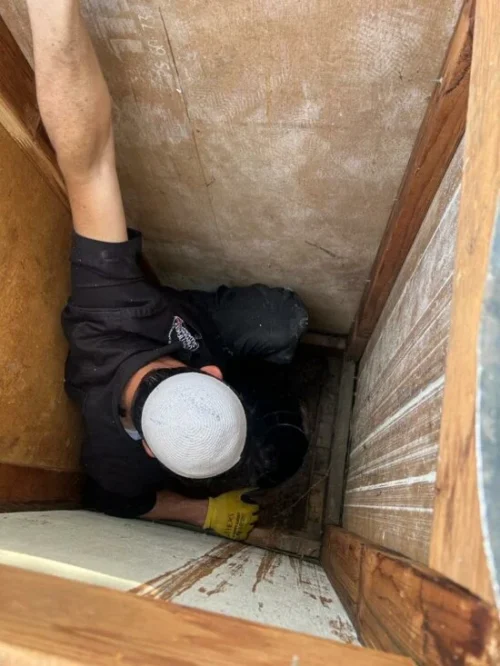
Houston’s unique environmental stressors, from relentless humidity to shifting clay soils, place extreme pressure on residential ventilation systems that the average person simply cannot detect. While a fireplace may look functional from the hearth, professional diagnostic tools often reveal hidden structural decay and hazardous combustion byproducts. Our team utilizes advanced thermal imaging and internal video scans to identify creosote glaze and liner breaches that standard visual checks overlook entirely.
Understanding Chimney Risks: What Most Houston Homeowners Get Wrong
Many homeowners believe a lack of visible smoke or odor means their system is safe, but dangerous pyrophoric carbonization and microscopic flue cracks often hide behind masonry walls. We frequently discover that residents in neighborhoods like River Oaks or West University Place mistakenly assume annual cleaning is optional if they rarely use their fireplace. However, our certified chimney inspection reveals that even dormant systems suffer from pest intrusion and corrosive moisture buildup that compromises home safety.
In our years of experience across the Greater Houston area, we have seen how the “if it isn’t broken, don’t fix it” mentality leads to catastrophic flue fires. Creosote, a byproduct of wood combustion, doesn’t just sit on the surface; it transforms. It can harden into a Grade 3 glaze that is nearly impossible to remove without specialized chemical treatments. Our team is trained through the Texas National Chimney Sweep & Repair Association to identify these chemical transitions before they ignite. We don’t just look for soot; we analyze the flue liner integrity and damper alignment to ensure your system meets the stringent safety standards set by the National Fire Protection Association (NFPA).
When we evaluate a property near the Houston Museum District, we often find that homeowners have overlooked the “freeze-thaw” cycle. While Houston rarely sees deep freezes, the rapid temperature swings cause masonry to expand and contract, leading to spalling, where the brick faces literally pop off. This isn’t just an aesthetic issue; it is a sign that water is deep within your chimney’s structure, rotting it from the inside out. We use high-definition cameras to document these issues, providing you with a transparent repair process breakdown that typical contractors often skip.
The Houston Factor: Why Local Context Changes Everything
Houston’s extreme humidity levels and volatile soil conditions create a “perfect storm” for chimney degradation that is vastly different from drier climates. In areas like Sugar Land or The Woodlands, the high moisture content in the air reacts with soot to form acidic slurries that eat away at mortar joints and metal components. Our inspections specifically target these regional vulnerabilities, ensuring that your wood fireplace repair or gas fireplace maintenance addresses the specific oxidative damage caused by our Gulf Coast climate.
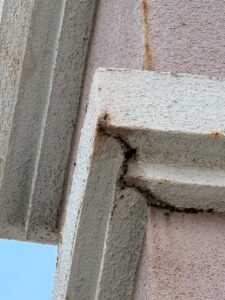
We’ve observed that homes near the Buffalo Bayou often experience slight foundation shifts. Because a chimney is a heavy, rigid vertical structure, even a one-inch shift in the soil can cause the chimney to “kiss” or pull away from the house. This creates gaps where sparks can enter the attic or wall cavities. Our chimney construction experts don’t just look at the fireplace; we look at the entire structural footprint. We analyze how the Houston climate impacts your masonry over time, a service that general handymen or less-specialized competitors simply do not have the equipment to perform.
In the historic Heights district, many chimneys were built without modern flue liners. When we perform a certified chimney inspection on these vintage properties, we often find that the original mortar has turned to dust. This is known as “sandy mortar,” and it means your chimney is essentially a stack of loose bricks held together by gravity. Our association with the Texas National Chimney Sweep & Repair Association ensures we use the correct lime-based mortars for restoration, preserving the historical integrity while meeting 2026 safety codes.
The Real Pros and Cons: No Sugarcoating
Investing in a professional diagnostic is the only way to confirm if your system is actually venting toxic gases like carbon monoxide out of your home. While a DIY visual check is free, it cannot peer behind the smoke shelf or into the flue liner joints where most failures occur. We pride ourselves on offering a comprehensive chimney sweep Houston TX service that goes beyond the surface, providing a digital portfolio of every finding, though we recognize the higher upfront cost compared to “digital business card” companies that only offer basic brush-throughs.
| Feature | Texas Chimney LLC | Typical Competitor |
|---|---|---|
| Certification | ✅ CSIA & Texas National Association | ❌ Uncertified general labor |
| Diagnostic Tools | ✅ Internal Video & Thermal Imaging | ❌ Flashlight and eyes only |
| Educational Resources | ✅ Comprehensive Digital Reports | ❌ Thin, verbal-only feedback |
| Specialized Services | ✅ Gas/Wood/Pellet Expertise | ❌ Basic wood sweeping only |
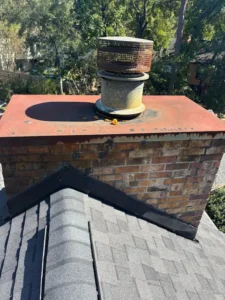
One advantage we maintain over companies like Green Earth Chimney Services is our exhaustive repair process breakdown; we don’t just tell you there is a problem, we show you the NFPA-compliant solution with transparent estimates. In Katy and Pearland, homeowners often deal with “splash-back” damage where rain hits the roof and bounces into the chimney’s shoulders. Our inspections include a full chimney cap repair assessment to prevent this moisture from entering the system. While others might ignore the exterior, we know that a custom chimney cap is the first line of defense against the heavy Southeast Texas rains.
Our Expert Recommendations for Houston Homeowners in 2026
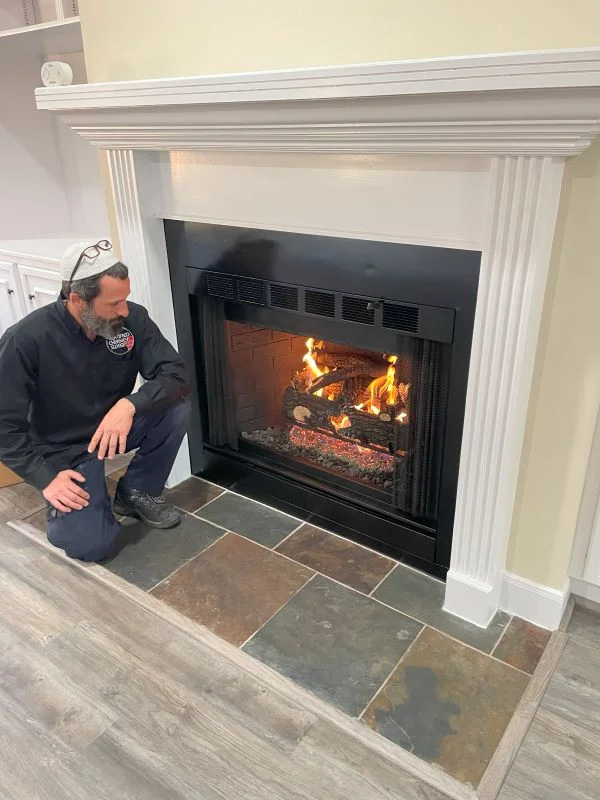
We recommend that every Houston resident schedules a professional assessment at least once every 12 months, regardless of how often the fireplace is used. For those with gas log sets, we suggest checking for gas fireplace cleaning Houston needs specifically to prevent carbon buildup on the valves and thermocouples. Our 14+ years of industry experience have taught us that preventative maintenance is significantly more affordable than emergency structural restoration following a chimney fire or collapse.
- Schedule Before October: Don’t wait for the first cold front. Book early to ensure your chimney sweep near me service is completed before peak season.
- Install a Top-Sealing Damper: Traditional throat dampers leak air. Our team recommends top-sealing units to keep Houston’s humid air out of your home.
- Monitor Your Chimney Crown: Check for small cracks periodically. Early detection can save you from a full chimney replacement.
- Verify Certification: Always ask for proof of CSIA certification and membership in the Texas National Chimney Sweep & Repair Association.
In our experience working on properties near Memorial Park, we have found that many residents are unaware of the chimney replacement warning signs that manifest as simple white staining (efflorescence) on the exterior bricks. This staining is actually salt being pushed out by water—a clear signal that your chimney’s internal moisture barrier has failed. We can often save these structures with specialized water-repellent treatments, but only if the issue is caught during a certified chimney inspection before the bricks begin to crumble.
For more detailed information on how to keep your home safe, you can consult the Chimney Safety Institute of America. We also encourage you to read our guide on how the Houston climate impacts chimney longevity to better understand why local expertise matters.
Your Next Step
Don’t leave your family’s safety to chance or rely on an amateur “brush and go” service that misses the critical structural details. Our CSIA-certified professionals are ready to provide a thorough, technology-driven evaluation of your entire fireplace and venting system. Whether you are in The Woodlands, Pearland, or downtown Houston, we offer the expertise required to ensure your chimney is ready for the season. Contact us now to schedule your comprehensive safety inspection and breathe easier tonight.
Frequently Asked Questions
How often should I get a chimney sweep in Houston TX?
For most Houston homes, we recommend a professional sweep and inspection every 12 months. Even if you don’t burn wood frequently, our CSIA-certified professionals often find bird nests or moisture-related masonry decay that requires immediate attention to prevent fire or water damage.
How much does a chimney inspection cost in Houston?
Standard Level 1 inspections typically range from $150 to $300, depending on the complexity of the system. For a more detailed Level 2 internal video scan, prices may vary. Contact us today for a transparent, no-obligation estimate for your specific fireplace type.
Are your technicians certified to perform chimney repairs?
Yes, all our lead technicians are CSIA-certified professionals and proud members of the Texas National Chimney Sweep & Repair Association. We bring over 14 years of industry experience to every job, ensuring your home meets all local and national safety codes.
Do you provide chimney services in Katy and Sugar Land?
We serve the entire Greater Houston area, including Katy, Sugar Land, and The Woodlands. Whether you have a historic home near Hermann Park or a new build in Cinco Ranch.