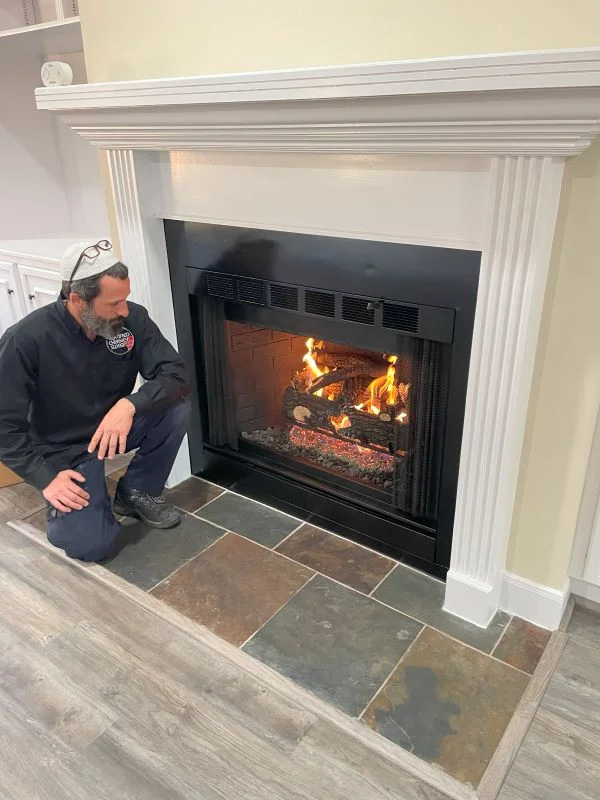
For many homeowners in Texas, the fireplace is the heart of the home during the cooler months. It provides warmth, ambiance, and a sense of security. However, that security is often an illusion if the chimney system has been neglected. While a fireplace looks sturdy, it is a complex ventilation system that handles extreme heat, corrosive gases, and flammable byproducts. Without professional oversight, your cozy hearth can quickly transform into a significant fire hazard.
Annual chimney inspections are not merely a recommendation; they are a critical safety requirement for any functional fireplace. By understanding the mechanics of chimney fires and the hidden dangers of neglect, homeowners can take proactive steps to protect their property and their families.
The Silent Threat: Creosote Accumulation

The primary culprit behind most residential chimney fires is a substance known as creosote. Creosote is a byproduct of wood combustion, consisting of a dark, tar-like substance that condenses on the interior walls of your chimney liner. It forms when smoke, water vapor, and gases exit the firebox and cool as they rise through the flue.
Creosote is highly flammable and exists in three distinct stages:
- Stage 1: A flaky soot that is relatively easy to brush away.
- Stage 2: Develops into hard, crunchy flakes that require specialized tools for removal.
- Stage 3: The most dangerous, a thick, waxy, or glazed coating that acts as potent fuel for a chimney fire.
Even a thin layer of creosote can ignite if the internal flue temperature reaches a high enough point. According to the National Fire Protection Association (NFPA), failure to clean and maintain chimneys is a leading factor in home heating fires across the United States.
Structural Integrity and the Risk of Flue Cracks
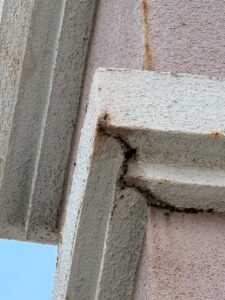
Beyond the buildup of flammable materials, the physical structure of your chimney undergoes significant stress. The constant expansion and contraction caused by extreme heat cycles, often called “thermal shock”, can lead to cracks in the flue tiles or gaps in the mortar joints.
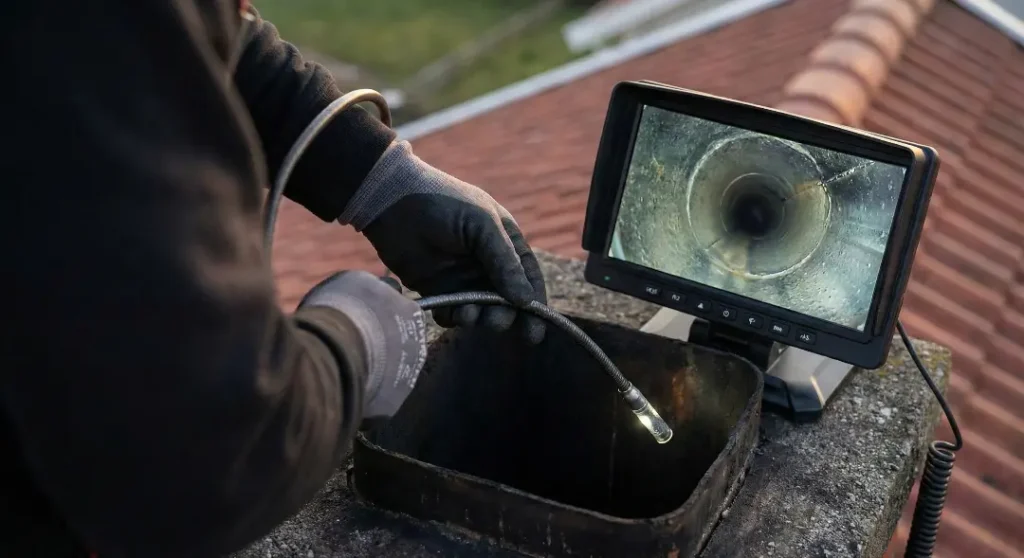
A compromised chimney liner is a direct fire hazard. These cracks allow intense heat and sparks to escape the chimney system and reach the combustible wooden framing of your home’s walls or attic. Because these areas are hidden behind drywall, a fire can smolder for hours before being detected. Professional inspectors use specialized cameras to scan the interior of the flue, identifying these “invisible” cracks that are impossible to see from the hearth.
Preventing Carbon Monoxide Poisoning
While fire hazards are the most immediate concern, annual inspections also safeguard your family against the “silent killer”: carbon monoxide (CO). A chimney’s primary job is to draft toxic combustion gases safely out of the home. If the chimney is blocked by bird nests, debris, or a collapsed liner, these gases are forced back into the living space.
Carbon monoxide is odorless and colorless, making it impossible to detect without specialized equipment. An annual inspection ensures that the draft is clear and that no obstructions are preventing the safe ventilation of your fireplace. For more information on the health risks of CO, you can visit the Centers for Disease Control and Prevention (CDC).
Wildlife and Environmental Blockages

In Texas, it is common for local wildlife to seek shelter in chimneys. Birds, squirrels, and raccoons often view a chimney as a safe, hollow tree. Their nesting materials, twigs, leaves, and grass, are highly combustible. Furthermore, if an animal becomes trapped and dies within the flue, it creates a total blockage and a significant hygiene issue.
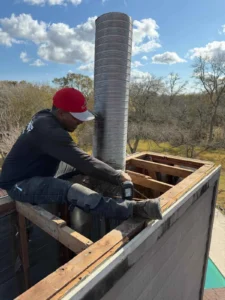
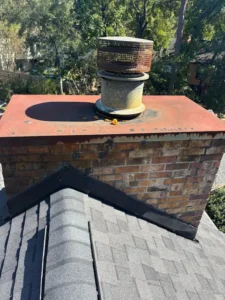
An annual inspection identifies these obstructions before you light the first fire of the season. A certified technician will not only remove the debris but also recommend the installation of a high-quality chimney cap to prevent future intrusions and protect the flue from moisture damage.
What to Expect During a Professional Inspection
When you hire a professional service like Texas Chimney LLC, the inspection follows rigorous standards. The NFPA classifies inspections into three levels:
- Level 1: The standard for chimneys in continuous use, checking accessible portions of the chimney exterior and interior.
- Level 2: Required if you have changed your fuel type (e.g., wood to gas) or are buying/selling a home. It includes a video scan of the internal flue.
- Level 3: Necessary only when a Level 1 or 2 inspection reveals a major problem requiring the removal of certain components to gain access.
Homeowners should ensure their service provider adheres to the safety standards outlined by the Chimney Safety Institute of America (CSIA), the leading authority on technician certification.
Protecting Your Home Investment
A chimney fire can reach temperatures exceeding 2,000°F. This level of heat is enough to melt metal liners and shatter masonry. Even if a fire doesn’t destroy the entire home, it often causes enough structural damage that the entire chimney must be rebuilt, a cost that far exceeds the price of an annual inspection.
Regular maintenance also extends the lifespan of your masonry. By catching minor mortar deterioration or flashing leaks early, you prevent water from entering the structure. Water is the greatest enemy of masonry; in the fluctuating Texas climate, the freeze-thaw cycle can turn a small crack into a major structural failure within a single season.
How Often Should You Schedule Maintenance?
The general rule of thumb is to have your chimney inspected at least once a year. Even if you do not use your fireplace frequently, an inspection is necessary to check for animal nests, moisture damage, and structural settling. For those who use their wood-burning fireplace as a primary heat source, more frequent sweepings may be required depending on the type of wood burned (softwoods like pine create creosote much faster than hardwoods like oak).
You can find further guidelines on residential fire safety and heating maintenance at Ready.gov, which provides comprehensive resources for disaster prevention.
Secure Your Home with Texas Chimney LLC
Don’t leave your family’s safety to chance this season. At Texas Chimney LLC, we specialize in comprehensive chimney inspections, professional cleaning, and expert repairs designed to keep your home safe from the hazards of creosote and structural failure. Our team of experienced technicians understands the unique needs of Texas homes and is committed to providing thorough, high-quality service you can trust. Whether you need a routine check-up or a detailed video flue scan, we have the tools and expertise to ensure your fireplace is ready for use. Contact us today to schedule your annual inspection and enjoy the peace of mind that comes with a professionally maintained home.